E-Paper



Lawyers file plea in Bombay HC challenging ban on Rs 500, Rs 1,000 notes
Advocate Jamshed Mistry and advocate Jabbar Singh moved the HC’s vacation bench on Wednesday arguing that the government’s move was rushed and had caused unprecedented inconvenience to the general public.

 Prefer HTon Google


Two senior advocates have moved the Bombay high court (HC) urging it to take suo moto cognisance of the Union government’s decision to stop the circulation of all currency notes of the denomination of Rs500 and Rs1,000.
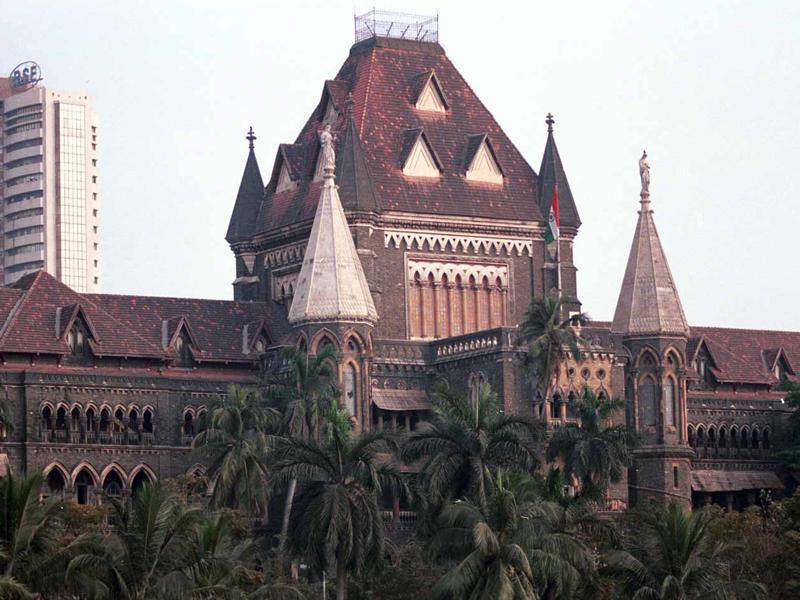
Advocate Jamshed Mistry and advocate Jabbar Singh moved the HC’s vacation bench on Wednesday arguing that the government’s move was rushed and had caused unprecedented inconvenience to the general public.
Justice MS Karnik, who was presiding over the vacation bench, has now directed the lawyers to plead their case before a regular bench of the court as “there were several questions of law involved”.
Mistry and Singh also cited a November 2 notification of the Reserve Bank of India that was sent out to all nationalised banks. In the notification, the RBI had said that as part of a ‘pilot project’, all banks must ensure that “within the next 15 days”, at least 10% of their authorised ATM machines should dispense currency notes of Rs100 denomination.
Mistry argued that the notification made it clear that this project was initiated on a pilot basis and thus, the Centre shouldn’t have rushed into it. As per the law, the government needed to come out with an ordinance and then an Act before such a move, he said.
Mistry said that in 1978, during the emergency, the ordinance followed by an Act called The High Denomination Bank Notes Act, 1978, was passed to bring demonetisation into effect. “Therefore, the requirement is that the current demonetisation could have been done only through an ordinance, or amendment of the Act, and not merely through a gazetted notification.”
He said that “merely giving four hours notice is no notice at all and that one’s right to life and right to occupation/conduct business were severely affected”.