
 E-Paper



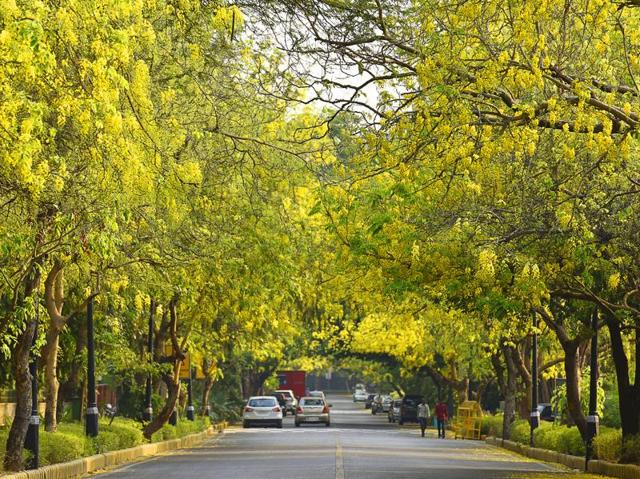
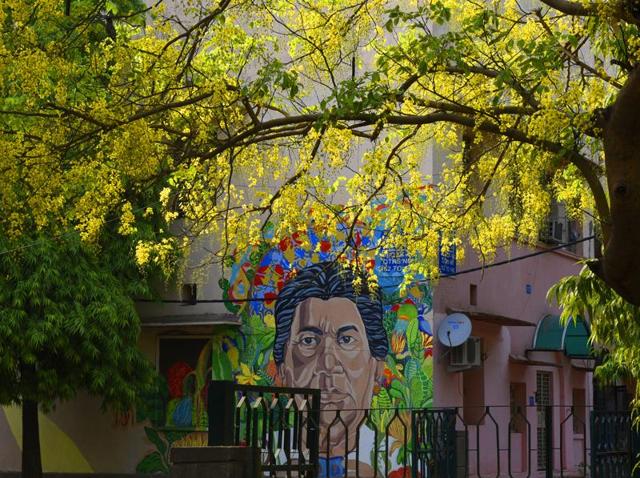
Colours of an Indian summer: Amaltas, Gulmohar in full bloom in Delhi
As temperature soars in Delhi, the streets of the capital come alive with the yellows and reds of Amaltas (Golden Shower tree) and the Gulmohar (Flame tree) . (Sanjeev Verma/HT PHOTO)
Updated on: May 13, 2016 5:17 PM IST


Share via


Copy link

1/13
 View Photos in a new improved layout
Updated on May 13, 2016 5:17 PM
As temperature soars in Delhi, the streets of the capital come alive with the yellows and reds of Amaltas (Golden Shower tree) and the Gulmohar (Flame tree) . (Sanjeev Verma/HT PHOTO)
2/13
 View Photos in a new improved layout
Updated on May 13, 2016 5:17 PM
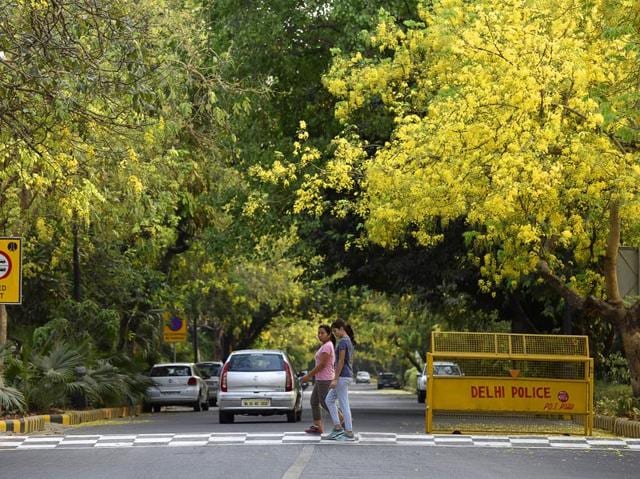
Amaltas is a common flowering tree found in the Indian subcontinent and neighbouring Southeast Asia. (Sanjeev Verma/HT PHOTO)
3/13
 View Photos in a new improved layout
Updated on May 13, 2016 5:17 PM
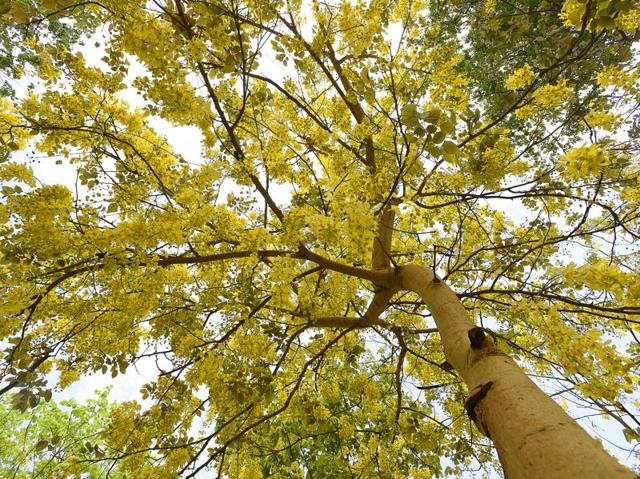
The flaming yellow Amaltas’ beauty is hard to miss. (Sanjeev Verma/HT PHOTO)
4/13
 View Photos in a new improved layout
Updated on May 13, 2016 5:17 PM
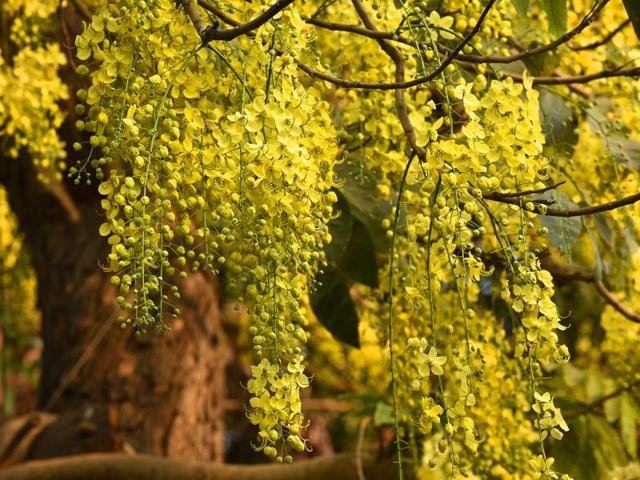
The tree is known for its ornamental as well as herbal properties. (Sanjeev Verma/HT PHOTO)
5/13
 View Photos in a new improved layout
Updated on May 13, 2016 5:17 PM
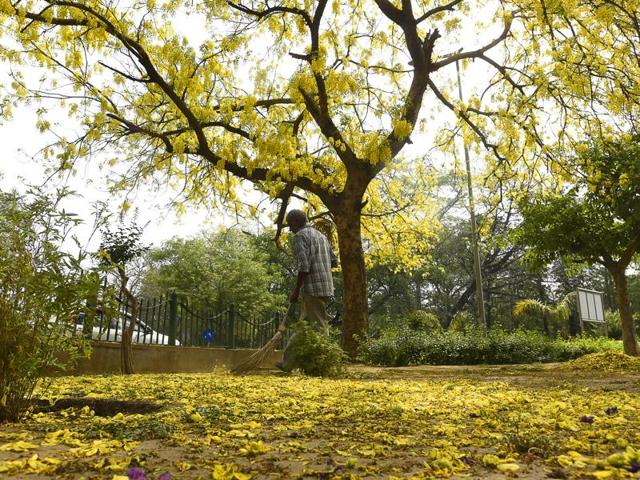
Spread across the subcontinent, Amaltas (Hindi and Urdu) is Aragvadha, Chaturangula and Suvarnaka in Sanskrit, Konrai in Tamil, Sunari in Odia, Kanikkonna or Vishu Konna in Malayalam and Xonaru in Assamese. (Sanjeev Verma/HT PHOTO)
6/13
 View Photos in a new improved layout
Updated on May 13, 2016 5:17 PM
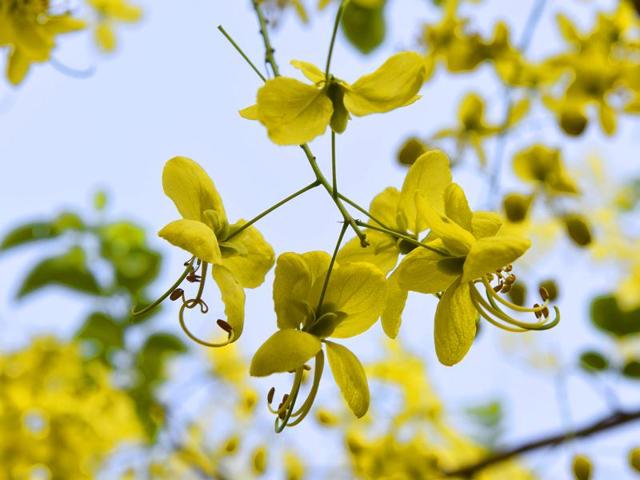
Amaltas is also the state flower of Kerala with relevance in the state’s annual Vishu festival. (Sanjeev Verma/HT PHOTO)
7/13
 View Photos in a new improved layout
Updated on May 13, 2016 5:17 PM
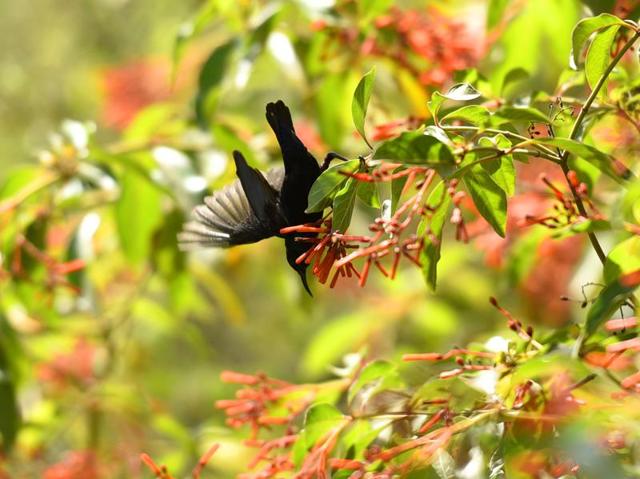
The charms of nature. A male purple Sunbird in Delhi’s greens... (Sanjeev Verma/HT PHOTO)
8/13
 View Photos in a new improved layout
Updated on May 13, 2016 5:17 PM
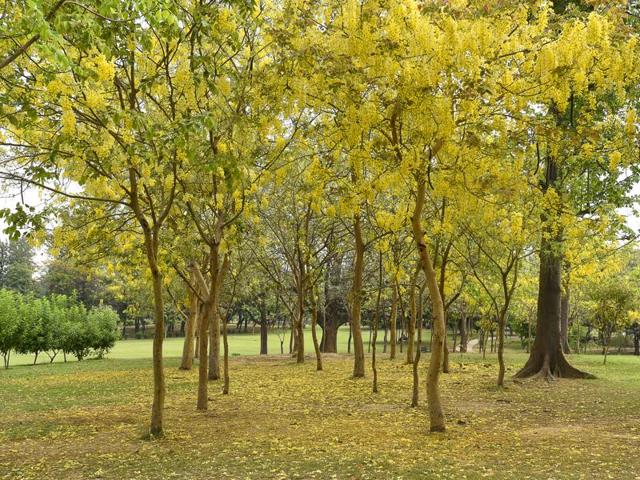
It is also the national tree of Thailand. (Sanjeev Verma/HT PHOTO)
9/13
 View Photos in a new improved layout
Updated on May 13, 2016 5:17 PM
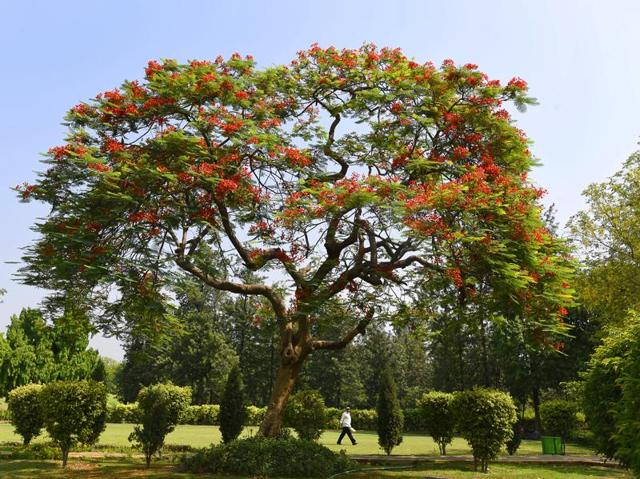
The Gulmohar tree is widely planted all across India. In Odia and Bengali, it is called Krishnachuda. (Sanjeev Verma/HT PHOTO)
10/13
 View Photos in a new improved layout
Updated on May 13, 2016 5:17 PM
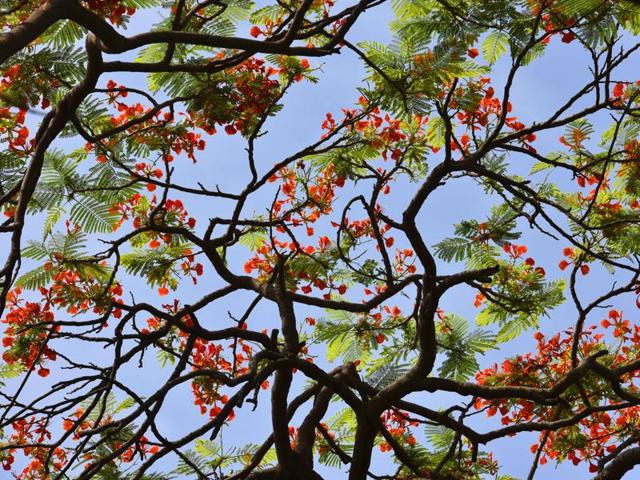
Gulmohar: A canopy of flaming reds... (Sanjeev Verma/HT PHOTO)
11/13
 View Photos in a new improved layout
Updated on May 13, 2016 5:17 PM
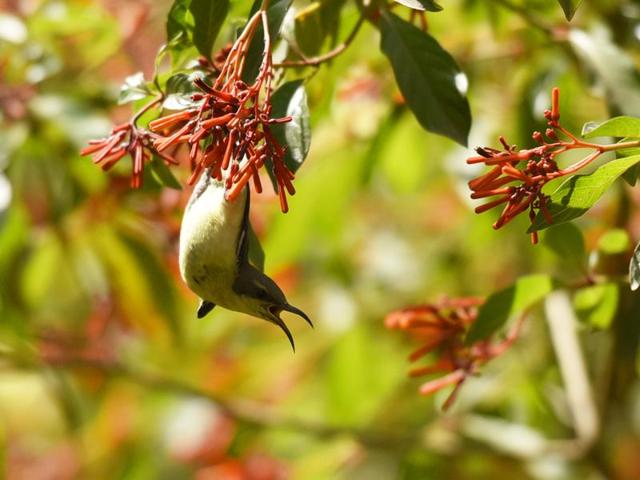
A purple Sunbird goes about its ritual in the midst of Delhi’s greens. (Sanjeev Verma/HT PHOTO)
12/13
 View Photos in a new improved layout
Updated on May 13, 2016 5:17 PM
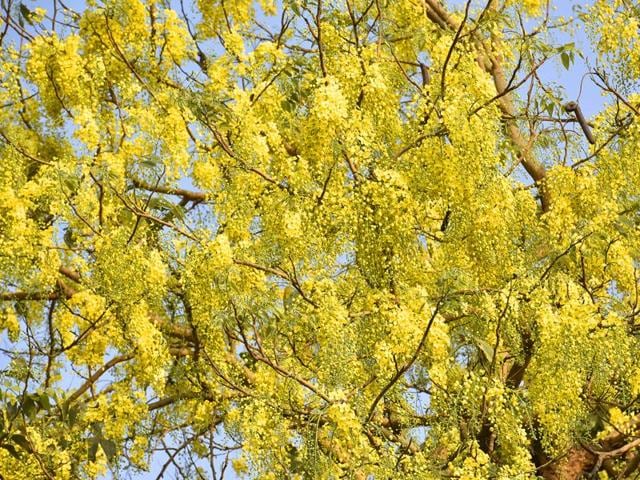
Amaltas has immense medicinal value as well. In fact, one of its Sanskrit names, Aragvadha, means a ‘disease killer’. (Sanjeev Verma/HT PHOTO)
13/13
 View Photos in a new improved layout
Updated on May 13, 2016 5:17 PM


