
 E-Paper



Proposal seeking higher FSI along Pune Metro routes raises concerns
Activists have asked the state to approve the proposal after a detailed study of implications of the plan.

 Prefer HTon Google


Following the Pune Municipal Corporation’s (PMC) proposal to increase the Floor Space Index (FSI) from two to four along the Metro routes, activist have raised concerns about the higher FSI development along the Metro and its impact on the environment, especially when the basic infrastructure is not in place in many years.
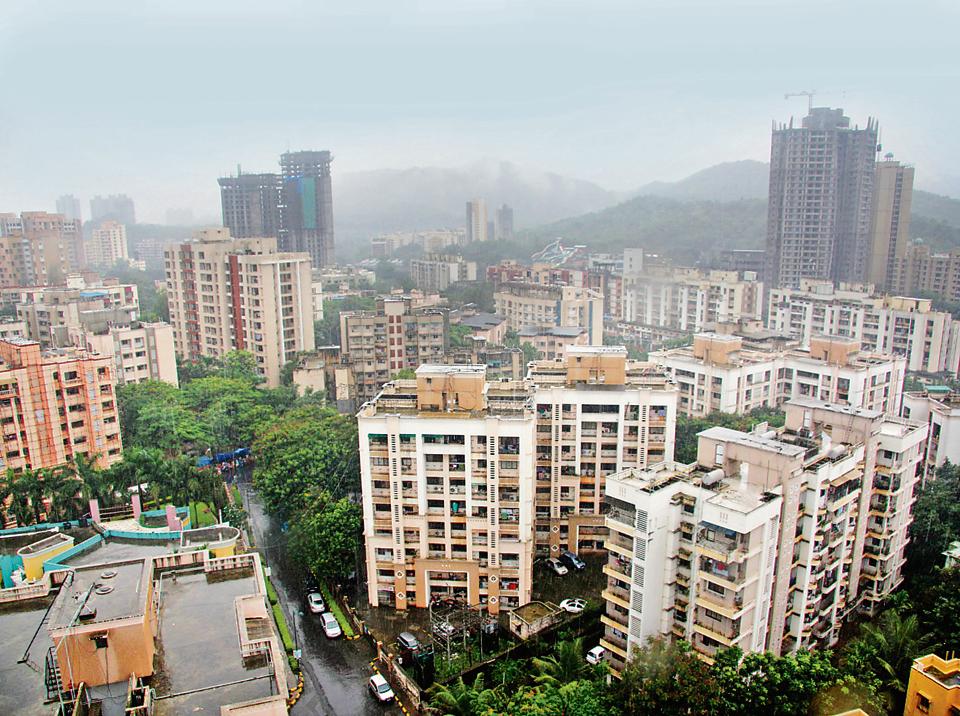
The PMC has sought 4 FSI along the Metro routes of Vanaz to Ramwadi and Pimpri to Swargate to increase the ridership of Metros by boosting population density. The civic body has formally written to the state government seeking permission for construction along the Metro routes with higher floor space index (FSI) using transfer of development rights (TDR).
The civic body has also decided on the rates for premium FSI with 80% of ready reckoner in residential areas and 100% of ready reckoner in commercial areas. FSI typically indicates how high a developer can build on a plot. It is the ratio of the total built-up area to the size of the plot.
While the civic body and Maha Metro Corporation, responsible for executing the project, said that the higher FSI will increase the ridership of Metro as seen in other cities, the activists, on the other hand, are not convinced.
Ranjit Gadgil, programme director at Parisar, a non-profit working in the field of transportation, said the civic body’s proposal under the National Transit Oriented Development (TOD) in Pune is totally arbitrary and has no basis in proper urban planning.
“The basis for the 4 FSI is also arbitrary. The impact that this will have on the city is completely unknown and the state government should not approve the proposal without a detailed study,” said Gadgil.
The civic body’s proposal to grant higher FSI is under the National Transit Oriented Development (TOD) policy, which focuses on creation of high density mixed land use development in the influence zone of transit stations.
Subhash Devare, an activist, said there has been a lot of criticism over the higher FSI. Devare said the main criticism against the decision is about the intension behind it. It is being done for densification in areas which are already dense. There is also no assurance that densification along the metro corridor will increase Metro ridership,” said Devare.
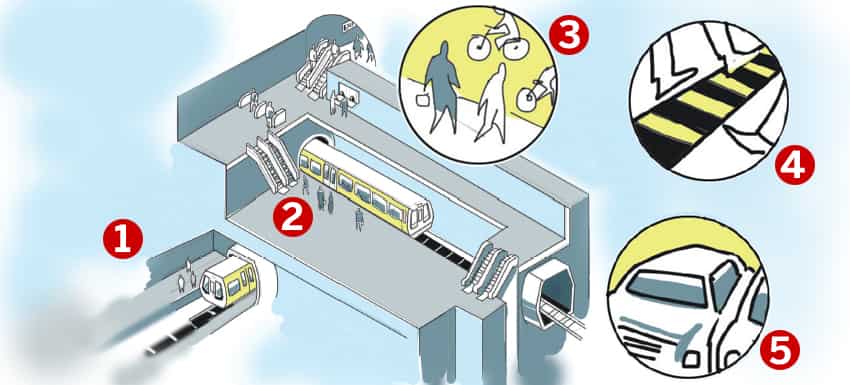
As per the TOD policy, the influence area should have high quality integrated multimodal transport system for the optimum use of facilities by residents and the streets should be designed for users of all age groups and for all types of commuters, including pedestrians, bicyclists, motorists and transit riders.
CREDAI, an apex body of Private Real Estate Developers Associations, is also critical of the government decision saying it will be difficult to implement given the different Development Control (DC) rules in Pune. “Under present Development Control (DC) rules, consumption of the FSI is virtually not possible due to issues of side margins, height and road width resulting every plot becoming a box.”


