Future historians will look back at 12 December 2015 – the date the Paris Agreement on Climate Change was adopted – as a great turning point for humanity. It is a major step towards preventing some of the worst risks that climate change presents to global security. More than 160 world leaders ratified the Agreement in New York yesterday, signalling the time to usher our economies to a more sustainable and energy secure future.
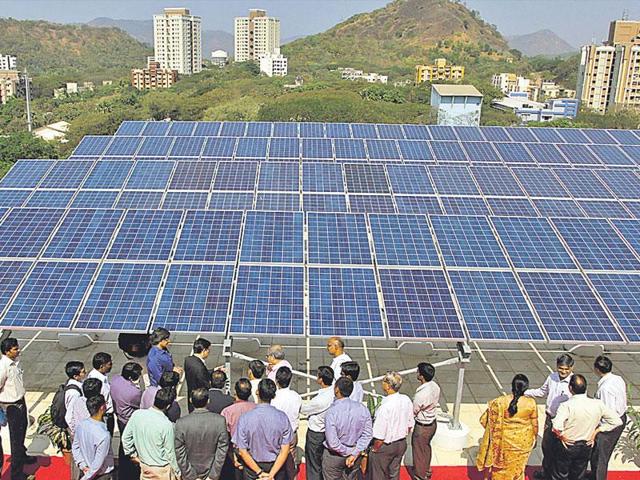
Advances in renewable energy generation, energy storage, smart grids, and improved energy efficiency will help countries meet their climate targets. Nations must increase their targets if we are to limit temperature rise to less than 2°C – which is challenging, but possible.
Read | Developed nations will be tested on cutting emissions: Javadekar
The Agreement sets out a clear goal of net zero emissions in the second half of the century. The Paris Agreement sends a strong signal to industry and investors that the shift to a low carbon economy is global, irreversible, and transformational. Cost benefit analysis now shows that it is a higher-risk strategy for business not to invest in sustainable, low carbon or carbon neutral projects
In the last two years more renewable energy was installed worldwide than fossil fuel energy. In the UK, renewable energy is the fastest growing sector where 11,500 companies employ 460,000 people, with a turnover of £100 billion recorded in 2014. Falling costs mean clean energy technologies such as wind, solar and LEDs can now compete with traditional technologies. The clean energy market is currently worth £4 trillion and is expected to rise to between £7 trillion and £10 trillion a year by 2030.
{{/usCountry}}In the last two years more renewable energy was installed worldwide than fossil fuel energy. In the UK, renewable energy is the fastest growing sector where 11,500 companies employ 460,000 people, with a turnover of £100 billion recorded in 2014. Falling costs mean clean energy technologies such as wind, solar and LEDs can now compete with traditional technologies. The clean energy market is currently worth £4 trillion and is expected to rise to between £7 trillion and £10 trillion a year by 2030.
{{/usCountry}}Radical technological innovation can reduce the cost of supply, but needs targeted support and an appropriate framework. The Mission Innovation initiative promotes publicly funded research, development and demonstration. Our aim is to make the cost of renewable energy cheaper than fossil fuels. It is supported by President Barack Obama and President Francois Hollande, Prime Ministers Narendra Modi and David Cameron amongst others. Twenty nations have joined the initiative with an annual spend of approximately US$20 billion. In addition, Bill Gates committed to invest US$1 billion, bringing in other investors who each put in US$1 billion.
Read | India needs $1 trillion in energy investments by 2030: Goyal
Renewable energy is the biggest opportunity of our age, for the private sector, scientific and industrial community. PM Modi’s leadership on renewables has given India the chance to boost its renewable energy generating capacity and provide energy access to millions. This translates into bright prospects for innovative Indian businesses that can stamp their leadership in the sector, globally. During PM Modi’s visit to the UK just two weeks before the Paris conference, PM Cameron and PM Modi agreed to work together to address climate change. Minister for Power Piyush Goyal held meetings with UK ministers in London last week to discuss next steps. The UK is committed to strengthen the energy partnership and continue its bilateral cooperation with India in tackling climate change.
David King is the UK Foreign Secretary’s Special Representative on Climate Change
The views expressed are personal