Participating in the motion of thanks on the President’s address in Lok Sabha on February 10, Prime Minister Narendra Modi advocated for the role of the private sector in India’s progress and questioned the wisdom of leaving the country’s growth to the whims and fancies of the bureaucracy.
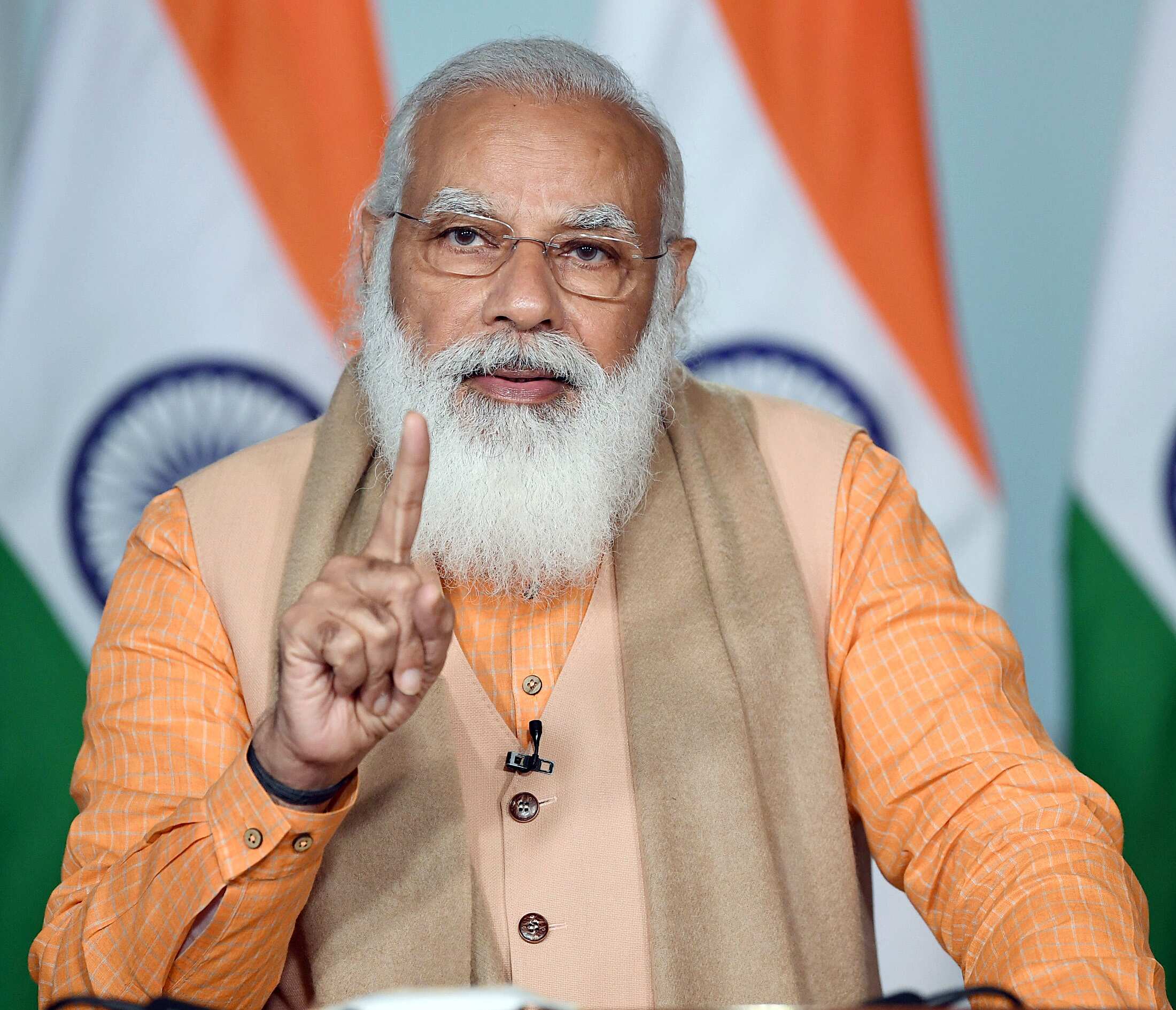
“Babus will do everything? Because they became IAS (officers), they’ll run fertiliser factories, because they are IAS, they will run chemical factories... even fly planes... What is this big power we have created?” PM Modi asked, questioning the traditional wisdom of vesting all power in the hands of the bureaucracy.
“What is this big power we have created? What are we going to achieve by handing the reins of the nation to babus? Just as our babus belong to the country so do the Indian youth,” he said while making it clear that the country was proud of its wealth creators.
While PM Modi’s remarks may have been impromptu in Lok Sabha, the idea behind it possibly emanated from a PRAGATI meeting held in January to review key delayed projects in the country. PM Modi’s top aides including his principal secretary PK Mishra and cabinet secretary Rajiv Gauba were also present at the meeting attended by top secretaries to the Government of India and the state chief secretaries.
It is understood that at the meeting, Prime Minister Modi questioned the slow decision-making process within the bureaucracy and pointed to 10-year delays in implementation of railway and highway projects. PM Modi said that he was not concerned by the cost overruns alone but the opportunity lost in terms of economic growth, jobs and the future of people due to these delays. Everyone heard the PM in stunned silence.
{{/usCountry}}It is understood that at the meeting, Prime Minister Modi questioned the slow decision-making process within the bureaucracy and pointed to 10-year delays in implementation of railway and highway projects. PM Modi said that he was not concerned by the cost overruns alone but the opportunity lost in terms of economic growth, jobs and the future of people due to these delays. Everyone heard the PM in stunned silence.
{{/usCountry}}It was quite evident that PM Modi was very concerned about the bureaucratic decision making in the country. Despite PM Modi making it clear that he will support any bureaucratic decision taken in the interest of the country at a DGP conference in Gujarat in 2018, India's bureaucracy hasn’t made the changes to how it operates and is still process-driven, not result-oriented.
That is when they are not protecting their turfs. Officials from premier civil services such as the Indian Foreign Service (IFS), the Indian Administrative Service (IAS), the Indian Police Service (IPS) and the Indian Forest Service (IFoS), have earned a reputation of trying to block anyone from beyond their respective services as if it was their personal fiefdom.
This has resulted in the foreign ministry being controlled by IFS, the secretariat in Delhi and state capitals being controlled by IAS and intelligence services and police controlled by IPS with hardly any space left for technical experts from outside the bureaucracy’s mathematical Venn diagram.
The situation has deteriorated to such an extent that the Indian armed forces have also been bureaucratised with seniority, not merit, being the yardstick for selection of top commanders. The Indian Army, Air Force and Navy all protect their silos to such an extent that the tri-service joint manship is under threat despite PM Modi taking the path-breaking decision of appointing the first Chief of Defence Staff. Fearing that the kingdom of chiefs will be under threat once the theatre command system takes over, the three services tend to think in isolation though there are costly weapons and equipment overlap. The same bureaucratic rules also apply in DRDO, which is now the bed-rock of Atmanirbhar Bharat in the defence sector. The Indian armed forces are interested in creating more verticals so that more vacancies for generals, admirals and air marshals are created.
It is not that India does not need bureaucracy or more officers, particularly in foreign service if the country has global aspirations. With a cadre of just 600 officers, India does not have enough diplomats to pitch the country on bilateral and multilateral platforms. However, thanks to ad-hoc decision making, the foreign secretary in the not-so-distant past decided to reduce the intake of officers rather than do the opposite.
The question that one needs to ask is why only IPS suited for intelligence or enforcement jobs, IAS for secretary jobs and IFS for ambassadorial assignment. Why can’t officers from other civil services or technical experts be used for populating these positions on the basis of sheer merit? The cross-fertilization of new ideas with institutionalised frameworks will not only bring innovation but also more energy and synergy.
While the PM wants faster decision-making and innovation, the Indian bureaucracy also creates hurdles by dragging its feet on the removal of deadwood. It is this deadwood that in turn plays the spoiler. The socialist model of the past where all private players were out to rob the nation and only IAS babus were the flag-bearers of the nation was and is a flawed model, and has dragged the nation down. This is common knowledge and not rocket science.