The figures speak for themselves: The World Health Organization (WHO) predicts that by 2030, we will see hundreds of thousands of deaths worldwide annually due to climate change — be it from the effects of natural disasters, malnutrition, or the rise of infectious diseases. The consequences of global warming are already in evidence today, as highlighted in the 2015 Lancet Commission on Health and Climate Change Report, published in June. From heat waves to floods, from hurricanes to storms, extreme weather events are intensifying and affecting every continent. These catastrophes not only cause immediate death by the thousands, but are also the root cause of many deaths due to polluted water sources and drinking water contaminated by cholera, a disease that kills 120,000 people a year. In Europe, the heat waves of 2003 and 2015 caused thousands of deaths.
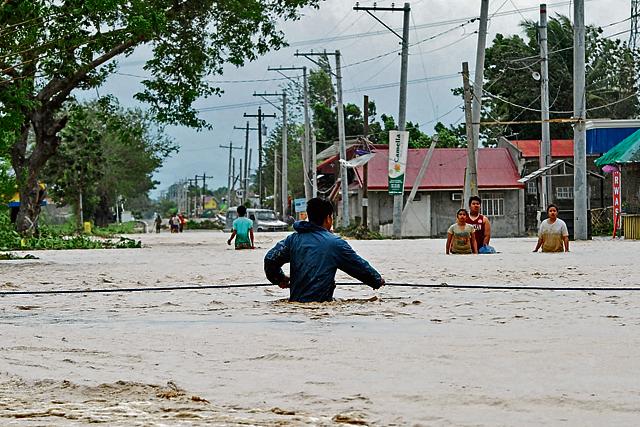
Likewise, countries such as India and Australia have not been spared from similar disasters in recent years.
A global temperature increase could mean the expansion of regions conducive to the spread of diseases, such as malaria. Today, nearly a third of humanity is exposed to this disease, which kills 600,000 people each year — mostly children under the age of five and expectant mothers. If we take the example of India, in 2014, there were more than 1.1 million cases of malaria.
Currently, the anopheles mosquito, which carries malaria, is confined to specific areas of Africa, Latin America and South-East Asia, but an increase in average global temperatures would extend its survival zone. This, combined with the globalisation, would quickly increase the risk of malarial infection to new areas. This disease could reach the heights of Kilimanjaro or the Andean highlands and spread in Central Asia.
It is the same for the tiger mosquito, which transmits chikungunya and dengue. Today, there are 50 million cases of dengue each year, and the WHO estimates that more than two and a half billion people are exposed to it. According to the National Vector Borne Disease Control Programme, in India there were 40,571 cases of dengue and 16,049 cases of chikungunya. Climate change also has serious consequences on sanitation, causing migration from the hardest hit global zones. Climate refugees, forced to leave their homes, may be exposed to new diseases. Tuberculosis (TB) is a major risk in this regard. Today, TB causes 1.4 million deaths a year and is a common disease among migrants. In 2013, WHO reported 2.6 million TB cases in India and 40% of the population had latent TB that could become active as a result of natural disaster. It’s inevitable: If the mean temperature continues to rise, combined with large surges in migration, it will lead to an increased risk of the spread of disease.
{{/usCountry}}It is the same for the tiger mosquito, which transmits chikungunya and dengue. Today, there are 50 million cases of dengue each year, and the WHO estimates that more than two and a half billion people are exposed to it. According to the National Vector Borne Disease Control Programme, in India there were 40,571 cases of dengue and 16,049 cases of chikungunya. Climate change also has serious consequences on sanitation, causing migration from the hardest hit global zones. Climate refugees, forced to leave their homes, may be exposed to new diseases. Tuberculosis (TB) is a major risk in this regard. Today, TB causes 1.4 million deaths a year and is a common disease among migrants. In 2013, WHO reported 2.6 million TB cases in India and 40% of the population had latent TB that could become active as a result of natural disaster. It’s inevitable: If the mean temperature continues to rise, combined with large surges in migration, it will lead to an increased risk of the spread of disease.
{{/usCountry}}Those few facts outlined here should suffice to dictate a clear and resolute line of action: We urgently need to support the mobilisation of the entire health community. We need to engage both public and private stakeholders, starting with life sciences companies, who are responsible for contributing to the advancement of health. If we act now, we can mitigate the consequences of climate change on the health of the world’s population. Health must not be excluded from the COP21 agenda.
Olivier Brandicourt is MD and CEO, Sanofi
The views expressed are personal