One of the most critical pillars of Covid-19 management has been ensuring the availability and accessibility of essential medicines at affordable prices. The challenge of establishing a nationwide logistics management and supplies system during complete and partial lockdowns was Herculean, but was successfully overcome. The Centre’s strategy to ensure sufficient access, monitor stocks and distribution, issue approvals, maintain seamless supply chain of drugs, effectively communicate with stakeholders, and evolve a dynamic Clinical Management Protocol (CMP) has contributed significantly to India’s Covid-19 management success.
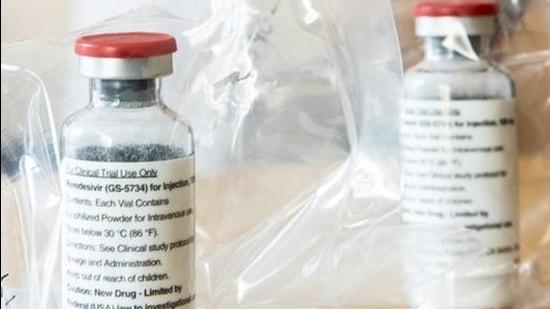
The Centre ensured the supply of drugs with equitable and integrated access. It ensured a robust regulatory mechanism and expedited approvals and stocks. The supply chain was efficiently managed, with close monitoring of the distribution of medicines to states, Union Territories and central institutions.
In the early days, there were no Covid-19 treatment guidelines. Experts drafted clinical management guidelines, which were updated when new scientific information was available. Efforts were made to reduce the severity, duration and impact of Covid-19 by identifying and approving early interventions.
The first guidelines, issued on March 22, by the Indian Council of Medical Research (ICMR) recommended the use of hydroxychloroquine as prophylaxes for asymptomatic health workers and the household contacts of confirmed cases. Subsequently, other frontline workers were also included.
The first comprehensive CMP issued by the Directorate General of Health Services (DGHS) on March 31 recommended the use of hydroxychloroquine and azithromycin for the treatment of patients with moderate and severe disease. The Centre placed orders for procurement on the same day. The drug supplies commenced within a week of placing the orders and were supplied within six weeks. The drugs were first delivered to the central depot in Delhi and then sent to various states by the respective resident commissioners. Subsequent revisions in the CMP led to the inclusion of other drugs like dexamethasone, methylprednisolone and low-molecular-weight-heparin while doing away with azithromycin. Some new and re-purposed drugs and therapies such as convalescent plasma, remdesivir and tocilizumab were introduced as investigational therapies. The CMP evolved over time, with modifications based on scientific evidence for optimal management. This reflects in the national recovery rate of close to 97%, one of the highest in the world.
{{/usCountry}}The first comprehensive CMP issued by the Directorate General of Health Services (DGHS) on March 31 recommended the use of hydroxychloroquine and azithromycin for the treatment of patients with moderate and severe disease. The Centre placed orders for procurement on the same day. The drug supplies commenced within a week of placing the orders and were supplied within six weeks. The drugs were first delivered to the central depot in Delhi and then sent to various states by the respective resident commissioners. Subsequent revisions in the CMP led to the inclusion of other drugs like dexamethasone, methylprednisolone and low-molecular-weight-heparin while doing away with azithromycin. Some new and re-purposed drugs and therapies such as convalescent plasma, remdesivir and tocilizumab were introduced as investigational therapies. The CMP evolved over time, with modifications based on scientific evidence for optimal management. This reflects in the national recovery rate of close to 97%, one of the highest in the world.
{{/usCountry}}This evolution of CMP has been one of the main weapons in the fight against the pandemic. DGHS additionally identified 54 ICU and 98 other essential drugs to manage complications and co-morbidities. The central and state governments, the pharma industry and the distribution network all strived to ensure total availability, both in the public health and in retail sectors.
A monitoring system with real-time data was used to monitor drug production and supply in the domestic market, availability and distribution. Regular reviews, quick decisions and follow-up by the group of ministers, the Cabinet secretary and the empowered groups ensured that all procurements, supplies, logistics and distribution were on track and issues were resolved expeditiously. The Drugs Controller General of India (DCGI) has been conducting random weekly surveys at chemists and medicine outlets to confirm the availability of drugs for Covid-19 treatment.
To facilitate the launch of new and repurposed drugs for treatment, DCGI has been processing Covid-19 related applications for new drugs, vaccines, biologicals and clinical trials on a fast-track mode, having disposed of 330 of the 352 applications to date.
This proactive and coordinated strategy has helped India ensure drug security for all of its 1.35 billion citizens through the pandemic. India has gone much beyond fulfilling the domestic demands but, as the “pharmacy of the world”, has also catered to the global demand for drugs, earning the goodwill and admiration of the international community.
Sudhansh Pant is an IAS officer and was, till recently, Officer on Special Duty in the ministry of health and family welfare
The views expressed are personal