Civil society organisations (CSOs) have immersed themselves in responding to Covid-19 and the humanitarian crisis it has unleashed across India. In contrast to the localised responses required of disaster relief, this pandemic has demanded mobilisation on a national scale. Rising to the occasion, although their own teams have had to navigate the challenges of Covid-19 in addition to the complex regulatory frameworks overseeing their efforts, CSOs have increased access to essential services — scaling up to serve larger populations and wider geographies. This ability to achieve impact at scale while maintaining exemplary ground operations has enabled CSOs to reach millions of people, including those often left behind in standardised relief efforts.
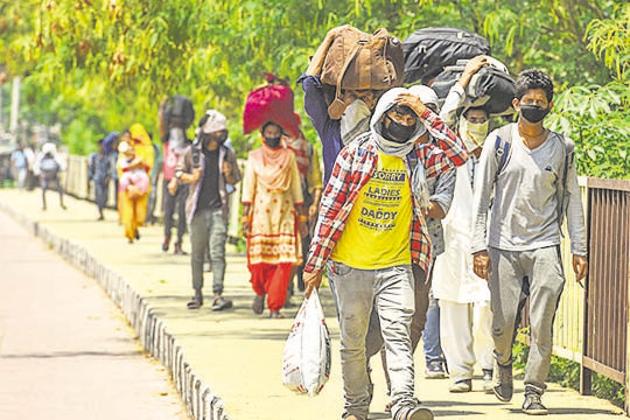
Akshay Patra has distributed more than eight crore meals and 7.6 lakh grocery kits in 17 states; Goonj and its partners have aided tomato farmers in Karnataka, leprosy communities in Bihar, commercial sex workers in Mumbai and more.
A more robust ecosystem, enabling regulatory landscape, and diverse funding pool — including domestic and international donors and philanthropies, government grants, and corporate social responsibility funds — would increase the ability of more CSOs to accomplish such models of response at scale.
Scaling CSO operations requires effective investments, meticulous planning and execution, and efficient supply chains with a clear sight of where services are most needed. The past few months have also demonstrated a universal need for greater digital capacity, innovative fund-raising platforms, and collaborative models. Online crowd-funding efforts by Milaap, Ketto.org, ImpactGuru, Fuel A Dream, Freedom Fund and others have increased the rate and speed of donations reaching vulnerable communities; GiveIndia’s India Covid Response Fund has disbursed over ₹135 crore to more than 200 non-profit partners, reaching more than 43.8 lakh Indians. Omidyar Network India’s Rapid Rural Community Response to Covid (RCRC) has brought together 67 CSOs, working to empower more than 9,000 gram panchayats in 12 states through the mobilisation of resources for direct relief, generate knowledge for optimal ground-level action, and build capacities of frontline workers. This consortium is creating a sustained infrastructure for civil society response in the months ahead and a post-pandemic future.
Platforms that facilitate cross-sector collaborative efforts among CSOs, industry, and government have also emerged. From Niti Aayog’s outreach to thousands of CSOs, to the Kerala government’s enlisting of private hospitals to secure more than one lakh beds for quarantine and treatment, public-private partnerships have emerged as a significant way to achieve greater social impact at scale. Working together, the Kudumbashree network and CSOs have coordinated food distribution, increasing access to community farming systems, providing mental health counselling, and crowd-sourcing computers and tablets so that all children could access online education while schools remained closed. These models are improving access to health care, education, and livelihoods for the longer term.
Unfortunately, the recent amendments made to the Foreign Contributions Regulations Act (FCRA), including a ban on re-granting funds to other FCRA- registered organisations, are poised to limit such platforms and collectives — at a time when the need to continue scaling operations is greater than ever.
Platforms that facilitate cross-sector collaborative efforts among CSOs, industry, and government have also emerged. From Niti Aayog’s outreach to thousands of CSOs, to the Kerala government’s enlisting of private hospitals to secure more than one lakh beds for quarantine and treatment, public-private partnerships have emerged as a significant way to achieve greater social impact at scale. Working together, the Kudumbashree network and CSOs have coordinated food distribution, increasing access to community farming systems, providing mental health counselling, and crowd-sourcing computers and tablets so that all children could access online education while schools remained closed. These models are improving access to health care, education, and livelihoods for the longer term.
Unfortunately, the recent amendments made to the Foreign Contributions Regulations Act (FCRA), including a ban on re-granting funds to other FCRA- registered organisations, are poised to limit such platforms and collectives — at a time when the need to continue scaling operations is greater than ever.
While the pandemic has brought to the fore this indispensable role of civil society, it has also highlighted the need for greater investments — time, talent, and treasure — in India’s social sector ecosystem itself, beyond support for immediate relief and short-term impact with quick turnaround results. This includes: One, channelling funds towards crisis-preparedness funding, data-enabled decision-making and capacity-building initiatives to equip organisations for immediate and long-term challenges. Two, reimagining the regulatory and policy environment to facilitate access to resources for CSOs for agile adaptation and maintaining accountability to communities. Three, embracing technology and building local technological infrastructure that fosters co-creation of inclusive spaces and enhances transparency in governance and operations. Four, creating and supporting collaborative platforms where samaaj, sarkar, and bazaar (civil society, the state, and the markets) come together with defined mandates, each bringing their distinctive strengths.
Those of us with seats at policymaking or grant-making tables have a responsibility to speak up and amplify the work of others. With the imminent shrinking of resources, there is a greater urgency for government, industry, CSOs and citizenry to work as collaborators with shared goals and innovative approaches. We must strengthen the platforms and collective models to create lasting solutions and enhance our collective preparedness and resilience for future crises. Only when we empower civil society as a whole, with every voice lifted, can we make a lasting positive impact.
The views expressed are personal