
 E-Paper



Insider’s guide to... Thakurdwar

 Prefer HTon Google


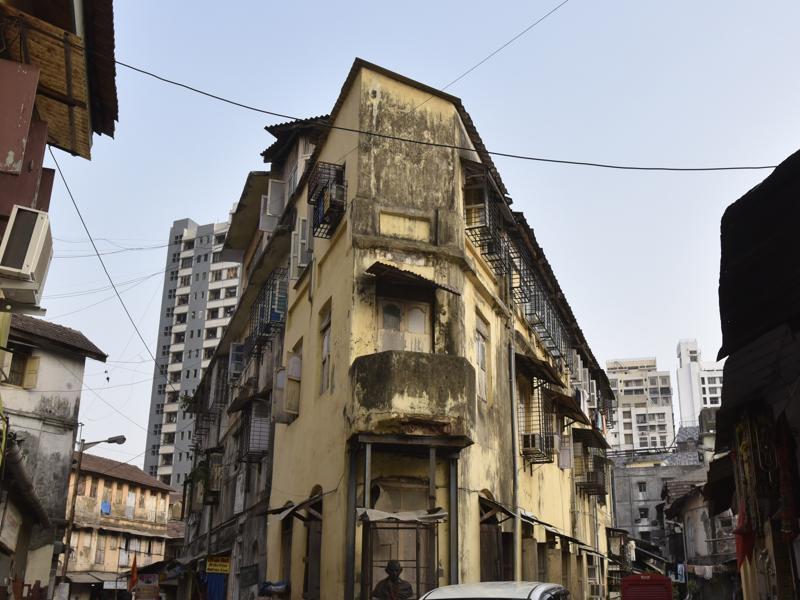
Spread across three lanes in the heart of the city, this area bears testimony to the city’s communal harmony
“I grew up in Thakurdwar. Now, one can see a lot of high-rises, but the streets still have an old world charm to them,” says Dr Anita Rane Kothare, a faculty member at St Xavier’s College, and a resident of Thakurdwar in Charni Road.
Named after a Ram temple built by the Konkani Pathare Prabhu community in the 1800s, there are three main streets around the temple: St Francis’s Street where the British Christian community resided; Nawroji street, for the Parsi community, and the Thakurwadi, for the Hindu Marathi community. All three lanes have religious establishments, namely the St Francis’s Church, the Dadi Sheth Agyari and two Ram temples. All the establishments are cared for by local residents irrespective of their religious affiliation.
DID YOU KNOW?
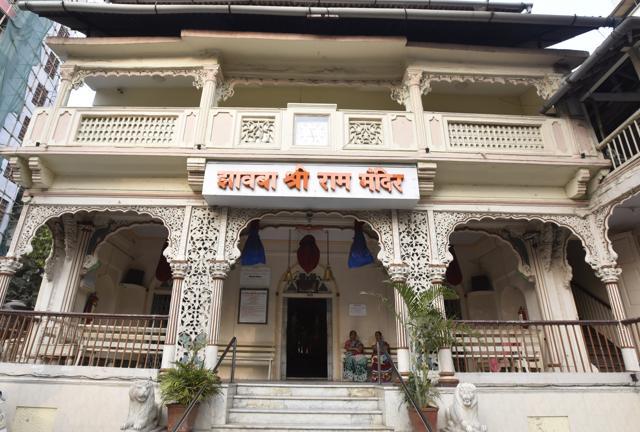
* The term Thakurdwar originates from two Marathi terms: ‘Thakur’ which translates to Vishnu and ‘dwar’ which translates to door. Built in 1828, the temple was viewed as the gateway to the lord. The temple contains symbols of the trinity comprising Bramha (creator), Vishnu (the protector) and Shiva (the destroyer).
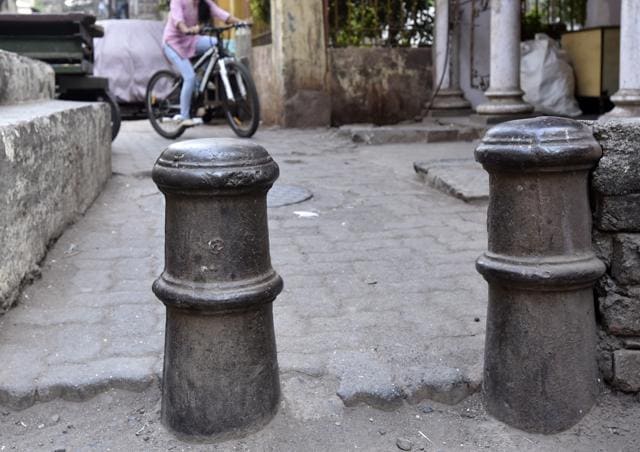
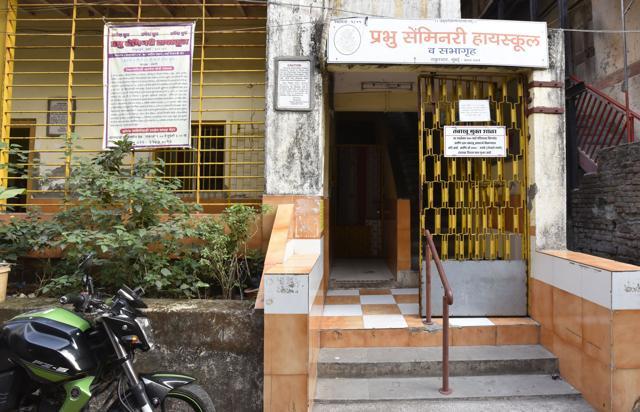
* The temple premises used to house a tank that supplied water to the surrounding areas. However, after the outbreak of plague and cholera during the 1890s, a building was built over the tank to cover up the stagnant water. The building is called Pushkarni and it houses people from the Pathare Prabhu community.
* The Thakurdwar temple is an example of a typical Maharashtrian ‘wada’ architecture with wooden panels and narrow wooden staircases. It has a first floor viewing gallery from where women devotees could watch the daily proceedings.
* The main road outside the temple is lined with shops that are almost a century old and have been managed by families for generations. For instance, Kirtikar Masale has existed since before 1930 and is run by the sixth generation of the family. Other shops include Panshikar Sweet Mart (1921) and Dattraya Ganesh Joshi Silverware (1928).
* Originally called as the Kamlabai Bramhankar Shala, this was Mumbai’s first high school built for Marathi girls, in 1848. The name was later changed to Student’s Literary and Scientific Society’s Girl’s High School in 1884.


