
 E-Paper



Poila Boishakh 2018: Date, history and celebrations of the Bengali new year


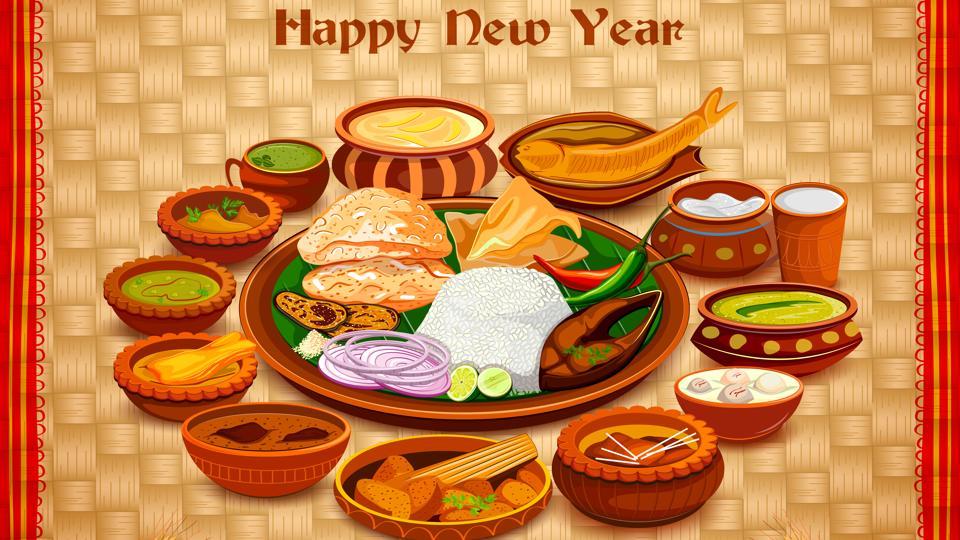
Poila Boishakh or Naba Barsha marks the start of the Bengali new year. Find out what makes this new year unique. Hint: there is a connection with Emperor Akbar.
Poila Baishak or Naba Barsha is the first day in the month of Baishak, according to the Bengali calendar. Bengalis living across West Bengal, Tripura, and Bangladesh celebrate the new year on this day. This year, it falls on April 15.
Interestingly, unlike other traditional calendars, the Bengali calendar was introduced by the Mughal Emperor Akbar and is a mixture of the lunar Islamic calendar and solar Hindu calendar. The emperor had asked the royal astronomer Fathullah Shirazi to merge the two calendars to create a new one for the ease of tax collection after the spring harvest.
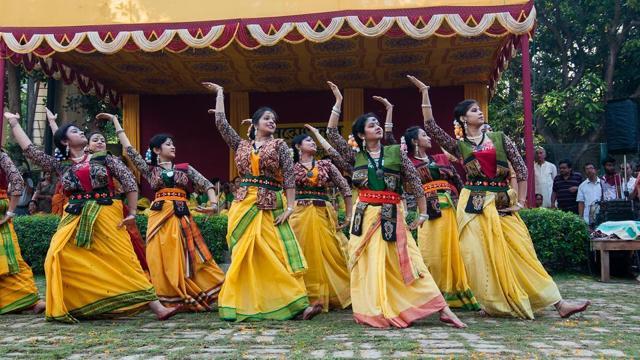
To celebrate the new year, Bengalis wear new clothes, clean their house and decorate their front door with alpana (painting done with a mixture of rice and flour). They meet relatives and share sweets. The meal is elaborate and features Bengali delicacies such as Dim Pakora, Lau Chingri, Sorse Mach, and Murgir Manso.
People pay a visit to temples and a prayer is chanted to Lord Ganesha and Goddess Lakshmi for blessings to ensure prosperity through the year. The ledger books or haal khata are also kept in front of the deity for blessings.
Follow @htlifeandstyle for more


