
 E-Paper



Alam-Ara turns 93
The inclusion of song and dance, elements of romantic drama, a multicultural crew and cast... India’s first talkie was a herald of things to come for the Hindi film industry

 Prefer HTon Google


One evening in the 1920s, Harry Pollard’s part-talkie romantic drama Show Boat was being screened to a packed house at Bombay’s Excelsior Theatre. Accompanied by a fine singing voice, the shot of a blazing sunrise faded to text that read: “Herald of Summer – The Whistle of the Show Boat just around the Bend’. It was then that Ardeshir Irani, boss of Imperial Movietone, who was seated in the audience, began planning something that was unheard of – a talking, singing movie. He went on to make India’s first ever talkie, Alam-Ara (The Light of The World), which was released exactly 93 years ago on March 14,1931.
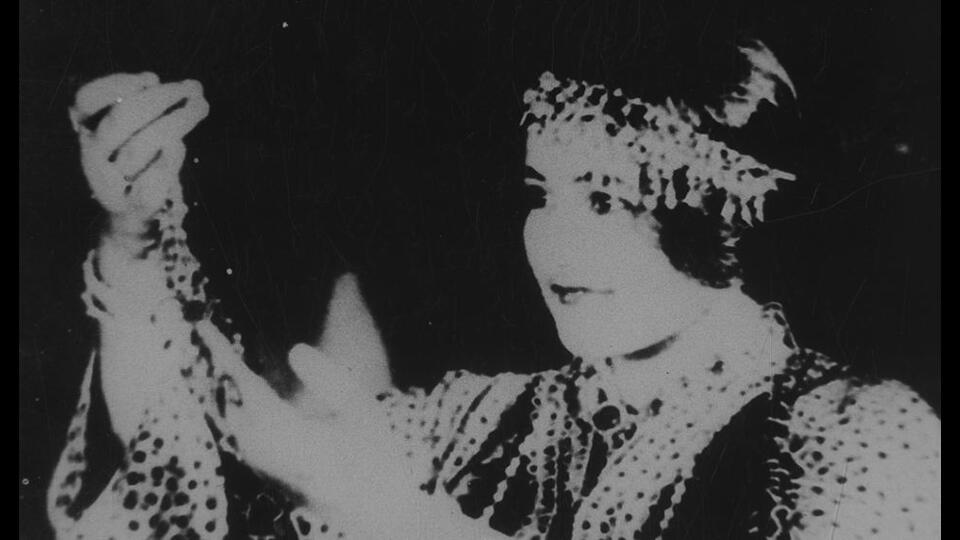
Revolutionary in the technology used and in its story telling, language and casting, Alam-Ara was a trailblazer that shaped Hindi cinema for decades. Made at a time when the Indian market was dominated by American films, Alam-Ara’s huge success led not just to the birth of the talkie in the subcontinent but also pushed “Indianness” onto the screen. While Irani, its producer-director, probably sensed the great economic potential of sound cinema, he was more driven by the need to do something path breaking.
Born in an immigrant Iranian-Zoroastrian family at the turn of the 20th century, Irani had tried his hand at being a teacher, a kerosene inspector and a seller of musical instruments. Life changed when he met Abduallay Esoofally, a touring cinema operator. Esoofally’s itinerant troupe travelled across the subcontinent, showing films in tents pitched in open grounds. Colloquially known as “Tambu Filim” or “Tent Cinemas”, these shows initiated a new visual culture. When Esoofally decided to be based in Bombay and Irani became the representative of Universal Studios, Hollywood, they got into a working partnership. Together, they bought Alexandra Theatre (which was located in Kamathipura), gave it a face lift, and relaunched it in 1918. Alexandra would go on to become one of the earliest single screen theatres of South Asia and it is from here that Irani learnt the tricks of the film trade. In 1920, he produced his first film Nala Damayanti, a Hindu mythological tale, and by 1930, he was an established producer with several short lived but productive banners like Star Films, Majestic Films and Royal Art Studios.
When Irani began thinking of making Alam-Ara, he had no inkling that his project would lead to the evolution of a new cine-ecology (a term used by film scholar Devashree Mukherjee). He decided to adapt the play Alam-Ara, written by Joseph David Penkar, the Bene Israel producer and playwright of the Parsi Imperial Theatre Company. A romantic drama featuring a gypsy girl, a prince, his father, the king and his two wives, a Sufi prophecy on child birth and much jealousy, love and longing, it was different from the mythologicals that Irani had produced so far. Irani also chose widely spoken everyday Hindustani (a mix of Hindi and Urdu) as its language instead of Gujrati or Marathi. Post Alam-Ara, Hindustani would become the standard language of Bombay’s film industry with films like Aatish-e-Ishq, Bewafa Ashiq, Dagabaaz Dushman being released in quick succession.

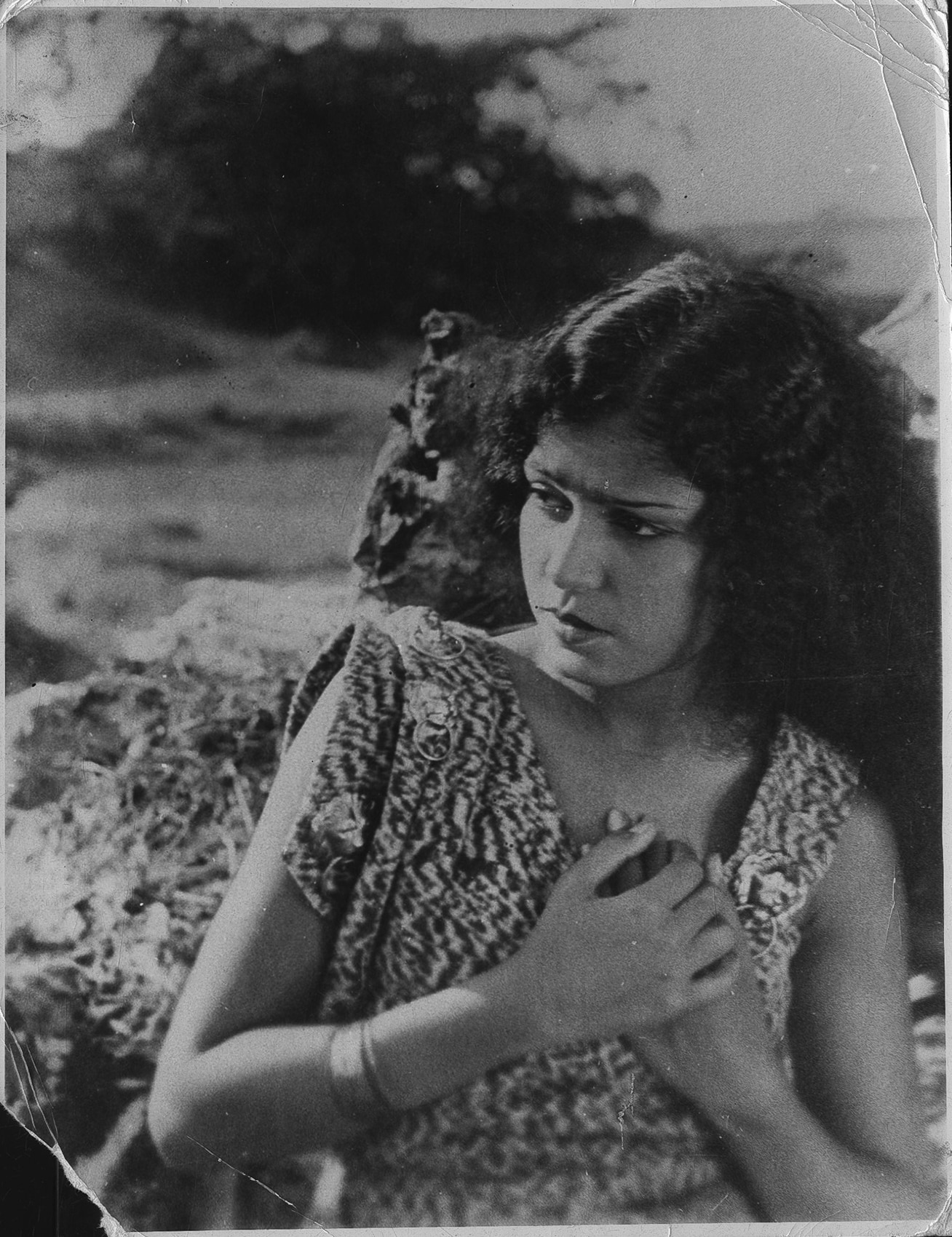
The director-producer wanted to cast his frequent collaborator Sulochana aka Ruby Myers as Alam-Ara but Myers was not proficient in Hindustani. This compelled Irani to look for a new heroine who would not only be eloquent in the language and but also look the part of an exotic gypsy girl. He found her in Zubeida, daughter of Fatma Begum and Nawab Yakub Khan of Surat, Gujarat. Founder of undivided India’s first woman-owned production company, Fatma Begum had already worked in Irani’s Veer Abhimanyu. When it came to the male cast, Irani had initially decided on Prithviraj Kapoor and debutant Mehboob Khan (later of Aurat, Mother India and Aan fame) as his hero Qamar. In the end, he opted for Master Vithal, a star from silent cinema. .
In his eagerness to be a part of the project, Vithal readily agreed to play Qamar though he was under contract to Sharada Studio. When the studio sued him, he took on the services of one of the brightest barristers of Bombay at that point, Mohammad Ali Jinnah. Jinnah defended him brilliantly; Vithal won the case and played the role of Prince Qamar! Interestingly, his acting was lauded but his discomfort with Hindustani was also noted.
Alam-Ara set new technical trends as well. American sound recordist Wilford Deming landed in Bombay to set up the imported recording equipment and record the sound. Perhaps Deming’s ₹100-per-day fee was too much for Irani to take and soon he was recording the audio track himself. This wasn’t easy as dialogues were recorded live and early generation microphones had to be disguised within the actor’s costumes. But Irani was unstoppable. He decided to shoot the film only between 1am and 4am at Jyoti Studio in Grant Road. Since the studio was located near the busy railway tracks, this slot was chosen to synchronise with the nightly three-hour suspension of the local train service. Perhaps this was the first instance of night shifts, which are now standard practice in the Indian film industry.
As if all this wasn’t enough, Irani also recorded the film’s seven songs with Wazir Mohammad Khan singing De De Khuda Ke Naam Pe Pyaare, the first ever song in Hindi cinema. Though the now-lost film didn’t mention a composer or lyricist in its credits, later media reports and Saregama’s website suggest that B Irani and Feroz Shah Mistry were the composers. The film’s leading lady, Zubeida, sang some of the other songs.
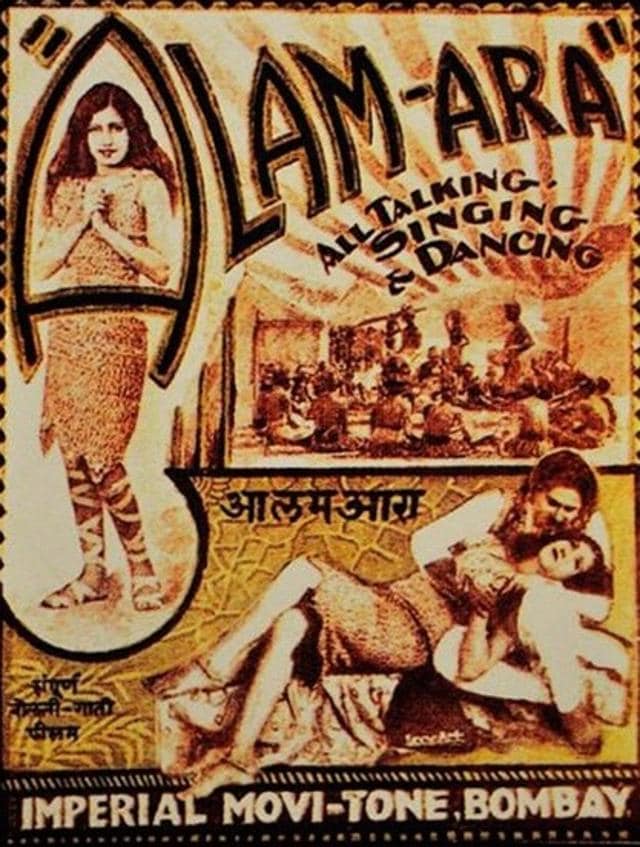
All of this was a secret until the film, distributed by Sagar Movietone, was released at Majestic Cinema on March 14, 1931. The publicity materials read: “All Living, Breathing 100%, Talking”. The audience was so thrilled to see the characters speak and sing that police had to be posted to manage the crowd. Needless to say, Alam-Ara was super hit.
With the film’s unprecedented success, Zubeida hiked her fees and went on to star in many successful mythological films before starting her own production company, Mahalaxmi Movietone, with Nanubhali Vakil. Mohammad Ali Jinnah carried on with his dazzling legal practice for a few more years before becoming completely involved in politics. Master Vithal returned to Marathi films, unfortunately fading away over the years as silent cinema became a thing of the past. Though Ardeshir Irani did not maintain his early grand success as a producer-director, he rightfully became the doyen of Hindi Cinema, a father figure in the years to come.
Sadly, as no prints of Alam-Ara survive, film buffs cannot celebrate its 93rd anniversary with a screening. Still, they can mark the day by remembering that it introduced many aspects of popular Hindi cinema including songs and dances, and that the contemporary Hindi film industry itself continues to draw people from diverse cultural backgrounds, just as Alam-Ara did.
Nilosree Biswas is an author, filmmaker, columnist who writes about history, culture, food and cinema of South Asia, Asia and its diaspora.


