E-Paper



Delhi’s speaking the language of love
Whether it’s new series of old-world poetry sessions, translations, or the many fresh Sufi performances in music, dance and drama, Urdu has smitten the city in what looks like a popular revival of the era that was sepia.


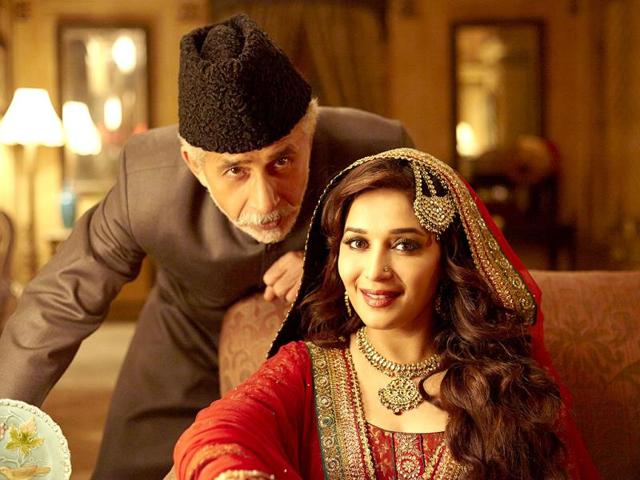
Naseeruddin Shah takes in a long whiff of the deep red rose in his hands, and out of that sweet suffusion flows shayari that woos Madhuri Dixit and all the people who’ve watched Dedh Ishqiya. Some words evoke wonderment … Uns, Mohabbat, Aqeedat, Ibadat … and there’s much more Urdu floating in the air these days.
Whether it’s at the recently-concluded World Book Fair with its thousands of proud Urdu translations and audio-stories, new series of old-world poetry sessions at popular cultural places, or the many fresh Sufi performances in music, dance and drama, the language has smitten the city in what looks like a popular revival of the era that was sepia.
Author Rakhshanda Jalil, whose new series of Urdu cultural events at The Attic in Connaught Place, has the speaker talk about how a particular poet like Faiz Ahmad Faiz or Sahir Ludhianvi has influenced them in a way, believes Hindustani is the next big thing. The series, called Hindustani Awaaz, comprises poetry recitation, dramatic plays and theatrical readings. “The purpose was to make a space for Hindustani, which is a nice mix of Hindi and Urdu. The idea was to create a space for people who are not inclined towards a particular language and its politics. Urdu needs to be pulled out from the akhadas (camp mentality),” says Jalil.
She is glad that the series, and more events such as these, are pulling in crowds without having to shout from the rooftops. “Why do you need posters and hoardings? I get a dedicated audience and they come because they’re willing,” she says.
And the folk she refers to isn’t your good old grey-haired audience, but young, new-age culture junkies who are fans of the language.
Abhinav Sabyasachi, a Delhi-based theatre artist, feels that even though there are plays on changing Muslim society, there is space for Urdu plays. “In the recent years, the Delhi theatre circuit has started doing a lot of Urdu plays. After successfully celebrating 100 years of Manto and Faiz, the young directors are exploring more Urdu writers and playwrights like Premchand, Khwaja Ahmad Abbas, Ismat Chughtai and Krishan Chander. Also, we see a lot of people taking interest in Dastangoi, which is a clear indication that people understand and love the Urdu language,” he says.