
 E-Paper



Devoney Looser: “It’s the right time to make the case for Austen’s wild side”
Forget teacups and bonnets! Devoney Looser’s new book, Wild for Austen, reveals Jane Austen as rebellious, witty, and far wilder than we’ve been led to believe

 Prefer HTon Google


letters@hindustantimes.com
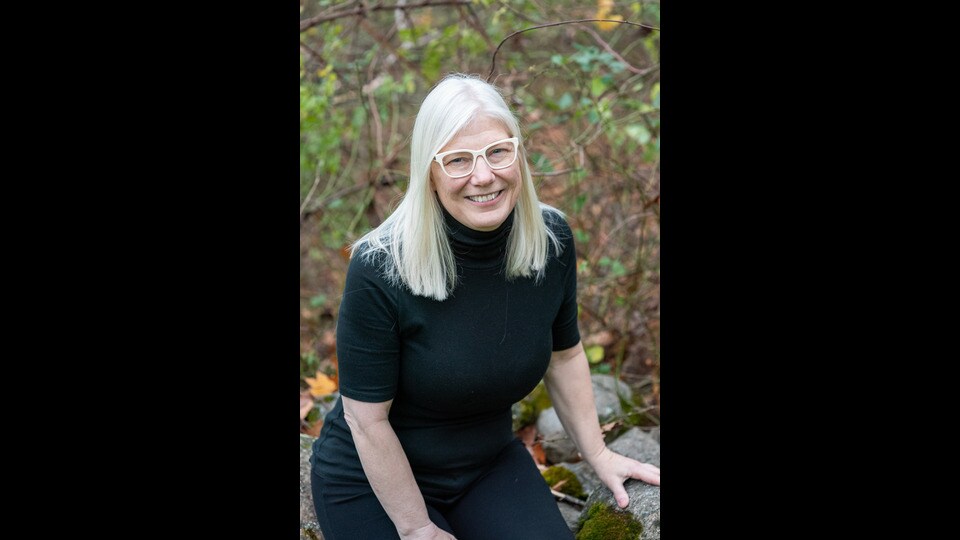
What comes to mind when you think of Jane Austen? For many, it’s the genteel figure of a country rector’s daughter, quietly spinning tales of romance and refinement in Regency drawing rooms. The image has endured for two centuries, softened further by costume dramas and afternoon tea tributes.
But a new book, Wild for Austen: A Rebellious, Subversive, and Untamed Jane, upends that familiar portrait. Acclaimed Austen scholar Devoney Looser reimagines Austen not as a delicate chronicler of polite society, but as a sharp-eyed satirist, a woman of ambition and wit whose insights into human folly crackle with modern relevance.
Looser not only re-examines all six of Austen’s completed novels for overlooked details, but also turns to her juvenilia, unfinished fiction, essays, and poetry, drawing out revealing new perspectives. The Regents Professor of English at Arizona State University also writes about Austen’s relationship to the abolitionist movement and women’s suffrage.

The timing of Wild for Austen is perfect. This year, Austenites around the world are celebrating Austen 250, the 250th anniversary of the author’s birth.
What inspired you to challenge the conventional, genteel image of Austen that so many readers hold?
I’ve been inspired by generations of Austen scholars who’ve been working to challenge this prim and proper image. But I’ve been galvanised to make the case for her legitimate wild side, in her life, writings, and legacy, in this year of her 250th birthday.
In your research, what moments or aspects of Austen’s life and writing most clearly reveal this ‘wild’ and subversive streak?
The idea that she lived a boring, sheltered life just isn’t the case; it isn’t the full story. I wanted to highlight the kinds of things that she endured and was exposed to, from her aunt accused of shoplifting to her acquaintance with an international spy and his opera diva wife. In her writings, from her juvenilia to the poem she wrote in the last days of her life, she pushes the envelope.
I’m not arguing that Austen was the wildest writer of her time — there were far wilder authors than even Mary Shelley or Charlotte Brontë! But Austen was carefully leading her readers away from tradition and convention.
How does reframing Austen in this light change the way we read her novels today?
Her strong, smart, and independent-thinking heroines deserve to be understood now as wild for their time. I think they are still, in some ways, inspiringly unconventional for our own. Elizabeth Bennet has long had the capacity to show girls and women how admirable and justifiable it is to say “no”.
As we mark Austen 250, why do you think her wit and social commentary still resonate so powerfully?
It’s remarkable that her characters continue to jump off the page and speak to readers. They make us laugh, yes, but they make us think, question, and wonder. Austen’s novels aren’t a blueprint for how to change an unjust world. That’s not the kind of book she was writing. But I do think that her fiction continues to inspire readers to consider how to lead a meaningful life in a world that’s deeply unfair.
Austen has often been claimed both by popular culture and by scholars. Where does Wild for Austen position itself in that conversation?
I’d like to think that I personally have a foot in both of these “worlds”, popular and scholarly. In Wild For Austen, I write from the perspective of, and with the tools of, both a scholar-researcher and a Janeite. There’s far more overlap among these two communities now than there was at the beginning of my academic career, in the 1990s, and I think that’s a very positive thing.
It’s possible to have very research-intensive conversations about popular culture, of course, among academic audiences, but I think it’s even better to have those conversations with popular audiences, too. I’ve tried to write this book in an accessible, engaging way as a result, although I believe it’s based on rigorous research.
What do you hope readers, longtime Austen devotees and new fans, will take away from your book?
Jane Austen has been long been oversold to readers as prim, proper, and sheltered — as milder than wilder. I think it’s the right time to make the case for Austen’s legitimate wild side, to devotees and newcomers alike, and I hope that’s what I’ve done with new and expanded stories from Austen’s writings, life, and legacy in Wild For Austen.
If Jane Austen herself could attend the Austen 250 celebrations, how do you imagine she might react?
I have no idea, really! But Austen once said in a private letter that she thought her creation Elizabeth Bennet was “as delightful a creature as ever appeared in print.” No matter how tongue-in-cheek that sentence was, wouldn’t such a writer be thrilled to see she’s now considered to have been absolutely right?
Teja Lele is an independent editor and writes on books, travel and lifestyle.


