An enquiry into the Indian mind
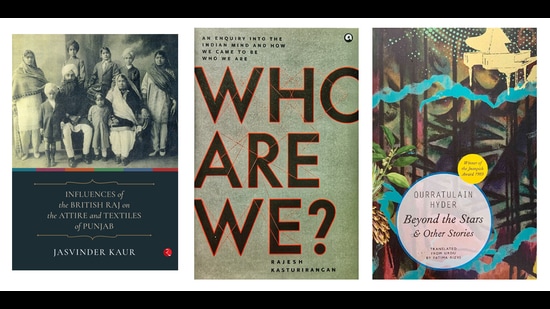
India is both an ancient culture and a young society, with all the benefits and burdens of a long history. Despite belonging to an extremely diverse range of castes, tribes, classes, and religions, Indians are bound by a sense of shared reality, of collective experience. We are all part of a greater whole – an intricate network of thoughts and ideas that has acquired a high level of cohesiveness in a world permeated by information technology. More than ever before, we have the opportunity to have a greater awareness of what it means to be Indian. However, it’s all too easy to believe we know everything that’s to be known about India and Indianness just by virtue of being Indian. This often results in a very simplistic view of our country and our fellow citizens. So how do we go beyond stereotypes, and how do those of us who are part of this extraordinarily diverse culture and society get a better understanding of ourselves, both as individuals and in relation to others? This book attempts to provide a nuanced answer to the question of just who we are by probing the collective Indian mind, which is at the heart of the experience of being Indian. Rajesh Kasturirangan, a cognitive scientist, uses an original multidisciplinary approach, drawn from the cognitive sciences in particular, to understand the Indian mind and through his understanding, grasp who we are as a nation in the twenty-first century.*
Found in translation
Written while she was still in her late teens, Beyond the Stars (Sitaron se Aage) was Qurratulain Hyder’s earliest published anthology of stories, now available in English for the first time. The 14 stories presented here offer a rare glimpse into the workings of a young writer’s imagination as she explores literary devices and techniques, and experiments with stream-of-consciousness, interior monologue, and multivocal narration. She can be playful and sardonic, deeply reflective or wistful, but never predictable. Her protagonists, a group of young college going men and women in pre-Independence Lucknow, Mussoorie and Dehradun, know that enormous changes are imminent in their privileged lives, as WWII draws to a close and freedom from the British draws near. Hyder captures both the innocence and the piquancy of their situation in prose that was far ahead of its time. Beyond the Stars is steeped in modernity and stunningly original.*
Fusion fashion
{{/usCountry}}Fusion fashion
{{/usCountry}}This is the absorbing story of how the British Raj brought lasting changes in the way people dressed and used textiles in Punjab. Many men became westernized and followed English fashion to the hilt. Others simply wore western garments like coats or overcoats along with their kurta and pyjama. Interesting outfits evolved, with both western and Indian elements. Women’s styles too were impacted, albeit to a lesser degree. As western accessories made an entry, Indian ornamentation retreated. New fabric and materials were appreciated and accepted. These along with western techniques and motifs, even appeared in the form of household items, to complement the new furnishings and ways of living.*
*All copy from book flap.