Article 21 and the development of rights in India
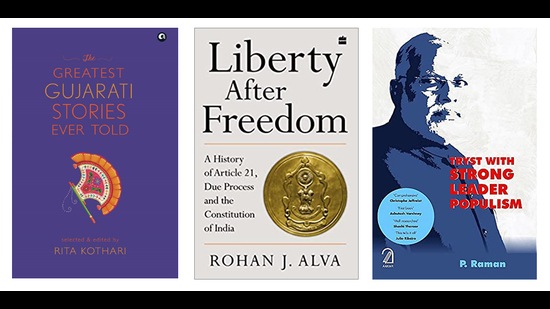
Liberty After Freedom explores the origins of what is today considered the most important fundamental; right in the Indian Constitution – the right to life and personal liberty guaranteed by Article 21. This is the article which, in recent years, made the right to privacy as well as the decriminalization of homosexuality possible. Without a doubt, this article has had the most outsized influence on the progressive development of rights in India. But the story of how it was birthed is deeply controversial and its passage in the Constituent Assembly divided opinion like no other feature of the Constitution
When India gave herself the Constitution on 26 January 1950, both life and liberty were thought to be in peril because the Constituent Assembly decided not to grant due process protection to them. Liberty After Freedom explores the intellectual beginnings of this paramount fundamental right in order to decode and unravel the controversies which raged at the time the constitution was being crafted.
Written in lucid prose and drawing extensively on the Constituent Assembly debates as well as a wide array of scholarly literature, the book questions long-held beliefs and sheds new and important light on the fraught history of due process and Article 21. It will be indispensable for the legal community and for anyone interested in the genesis of the Constitution.*
Passionate, profound and timeless
{{/usCountry}}Passionate, profound and timeless
{{/usCountry}}The 23 stories in The Greatest Gujarati Stories Ever Told represent some of the finest short fiction in Gujarati literature. Selected and edited by translator and writer Rita Kothari, this collection features established literary masters such as KM Munshi, Dhumketu, Himanshi Shelat, Dalpat Chauhan, Nazir Mansuri, and Mona Patrawalla, as well as accomplished new voices such as Panna Trivedi, Abhimanyu Acharya, Ram Mori, and others.
In KM Munshi’s epistolary A Letter a child bride is worked to her death as she yearns for her husband’s affection; in Neerav Patel’s Creamy Layer, the politicized urban and upwardly mobile Mr and Mrs Vaghela must confront the deep chasm that has grown between them and their family in the village; in Panna Trivedi’s Maajo, the story’s eponymous young narrator longs for butter soft skin and a Shah Rukh like glance from a young man on the train; in Saubhagyavati: The Fortunate Wife, Dwiref explores the selfish and oppressive nature of marital sex; in A drop of Blood Jayant Khatri looks at how violent acts engender more violence; in The Black Horse, Mona Patrawalla explores the tribal region of the Dangs and paints a hair raising picture of the violent forms of power wielded by the landlords there. These and other stories in the collection are passionate, profound and timeless, showcasing the range of styles and offering a variegated and singular picture of Gujarat.*
Decoding a phenomenon
Tryst with Strong Leader Populism offers a rewarding read for those who yearn to understand the Modi government, its working style, achievements and fault lines. Through its 11 chapters, the book provides a comprehensive record of the dispensation’s various initiatives, its flagship programmes, demonetisation, the way the Modi-Shah duo has successfully silenced protesting RSS affiliated bodies, and the stunning return in the 2019 Lok Sabha polls. All of this is supported by authenticated data. In the opening chapter, it also sheds much light on how and why RSS boss Mohan Bhagwat put his full weight behind Modi and made it the bedrock of his hybrid regime model. This fact-based narrative includes 500 plus endnotes and citations which seek to testify the validity of its insightful inferences and interpretations. The book attempts to decode the Modi phenomenon while also poses the question: Why is India most powerful prime minister finding it difficult to arrest economic decay? In sum, Strong Leader Populism attempts to help the reader understand the paradox of power.*
*All copy from book flap.