Career catalysts for the professional woman
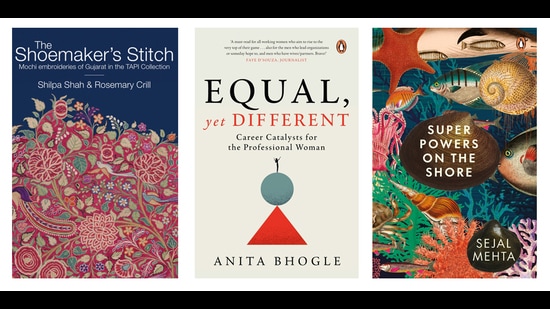
Equal, Yet Different is exactly how women want to be treated, and need to be treated. Despite the growing number of women acquiring professional degrees, they remain under-represented and almost invisible when it comes to top leadership positions or decision-making roles. While women have proved beyond doubt that they are just as talented and capable as men, they are still held back by expectations laid down by society and a largely unconscious bias on the part of colleagues and family members. Besides grappling with external challenges, women find that their own mindsets are also shaped by similar conditioning. The reasons for women not making it to the top echelons of the business world extend far beyond the known ones like marriage and maternity.Based on in-depth interviews with career women, leaders and experts on diversity, equity and inclusion (DEI), Equal, Yet Different identifies catalysts that can help women achieve maximum potential and fulfilment. This book will benefit all those interested in women’s careers - women themselves, their spouses, bosses and even organisations looking to succeed.*
Mochi embroideries of Gujarat
The exquisite chain-stitch embroideries of Gujarat’s Mochi community are found in museum and private collections the world over, but the origins of the Mochis and their craftsmanship are rarely explored. This book is the first to delve deeply into the history of chain-stitch embroidery in India and its connections to the Mochi or shoe-maker community. This work focusses on chain-stitch embroideries from the 18th to 20th centuries in the renowned TAPI collection of textiles, with many pieces having direct links both to Gujarati royal families and the lineage of Mochi craftsmen and women. The previously unknown but significant role of the women of the Mochi community in creating embroidery pieces is also explored. The catalogue of images displays a wide range of exquisitely embroidered pieces ranging from Jain manuscript covers to portraits, items of clothing, fans, and furnishings, such as floor spreads, wall hangings and tent panels. The accompanying essays provide the background history of the Mochis and their work and also shed fresh light on chain-stitch embroideries in museums and private collections previously thought to be from the Mughal period. The book also gives an account of the contemporary scene, in which chain-stitch embroidery has found new directions and audiences worldwide.*
Drama in the intertidal zone
{{/usCountry}}Drama in the intertidal zone
{{/usCountry}}Our coasts are large, vast wildernesses that witness the mystical pageantry of life. They have given us monsters and myths, they are fathoms deep and full of whispers, home to unknown creatures and sprawling ecosystems. They are chasms of beauty and frontiers of possibility. From the space between land and sea, revealed only at low tide, comes a coruscating kaleidoscope of colours and brilliance: the intertidal zone. And the marine lifeforms of these zones are capable of superpowers. Yes, superpowers! Of the kind that comic book characters can only dream of.The Indian coastline hosts some magnificent intertidal species: solar-powered slugs, escape artist octopuses, venomous jellies, harpooning conus sea snails, to name just a few. It is as biodiverse as a forest wildlife safari, and twice as secretive. From bioluminescence and advanced sonic capabilities to camouflage and shapeshifting, these cloaked assassins are capable of otherworldly skill. Superpowers on the Shore by Sejal Mehta is a dazzling, assured look at some of the creatures with whom we share our world, our water, our monsoons, our beaches and the sandcastles therein.Come witness the magic of our intertidal superheroes, their fragile beauty and their iridescent drama. Put on your waterproof shoes, pack a bottle of whimsy, bring your sense of wonder. And prepare to be mesmerized.*
*All copy from book flap.