
 E-Paper



HT Picks: The most interesting books of the week
This week’s reading list includes a book on finding beauty in imperfection, another on pioneering Indian historians, and the memoir of a top cop


WABI SABI BY BETH KEMPTON
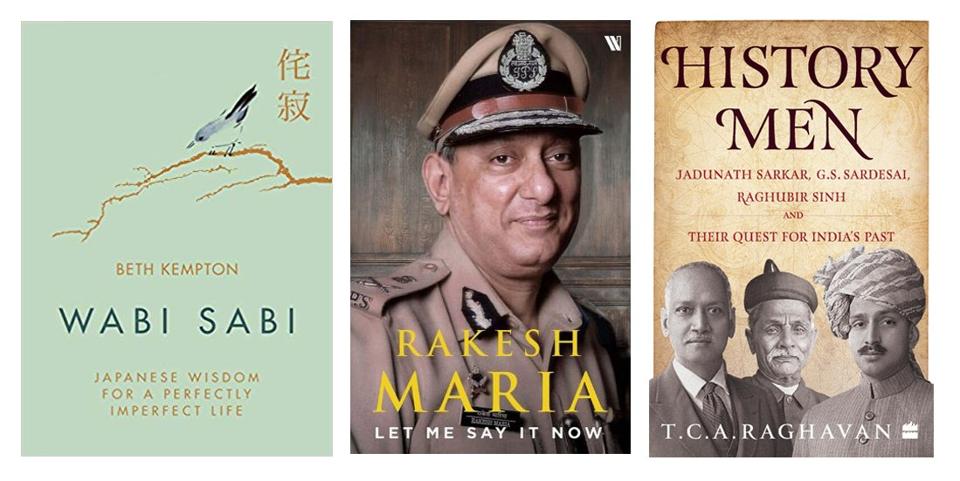
Wabi Sabi (‘wah-bi sah-bi’) is a captivating concept from Japanese aesthetics, which helps us to see beauty in imperfection, appreciate simplicity and accept the transient nature of all things. With roots in zen and the way of tea, the timeless wisdom of wabi sabi is more relevant than ever for modern life as we search for new ways to approach life’s challenges and seek meaning beyond materialism.
Wabi sabi is a refreshing antidote to our fast-paced consumption-driven world, whci will encourage you to slow down, reconnect with nature and be gentler on yourself. It will help you simplify everything, and concentrate on what really matters.
From honouring the rhythm of the seasons to creating a welcoming home, from reframing failure to ageing with grace, wabi sabi will teach you to find more joy and inspiration throughout your perfectly imperfect life.
This book is the definitive guide to applying the principles of wabi sabi to transform every area of your life and finding happiness right where you are.*
HISTORY MEN – JADUNATH SARKAR, GS SARDESAI, RAGHUBIR SINH AND THEIR QUEST FOR INDIA’s PAST BY TCA RAGHAVAN
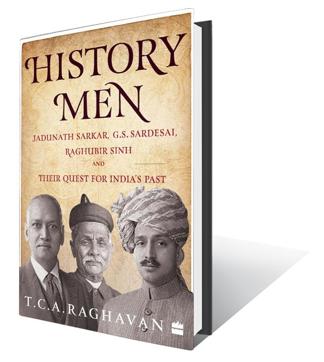
History men is the story of the intersecting lives of three deeply committed historians: Sir Jadunath Sarkar (1870-1958), who was an expert on the Mughal period; GS Sardesai (1865-1959), whose works were on the Marathas; and Raghubir Sinh (1908-1991), who studied the Rajputs. How the three became close friends and joint workers; how they wrote about the great confrontations between the Mughals, Rajputs and Marathas; how their long association exposed continuing conflicts of interpretation and explanation; and how, together, they illuminated a historical moment make for a story worth telling.
A narrative built from original research based on the correspondence and the published and unpublished writings of the three scholars, this is also a portrait of rich friendships, of the minutiae of the lives of these historians, and their fierce commitment to historical research as they addressed the significant questions of the age they lived in. Anyone who is interested in the making of historical narratives will find History Men a compelling read.*
LET ME SAY IT NOW BY RAKESH MARIA
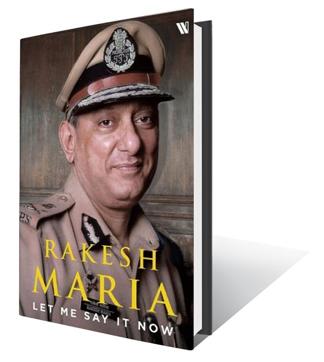
Rakesh Maria’s entry into the elite Indian Police Service and rise to the coveted post of Mumbai’s Police Commissioner is a gripping and inspiring story.
One of India’s best-known police officers, Maria’s life is the stuff police legends are made of. Time and again his bosses and various political masters took him off his regular postings to detect serious crimes. But he successfully steered challenging and monumental investigations -- the 1993 serial blasts and the audacious 26/11 terror attack being two such instances. His work confined him to the Urbs Prima in Indis for the better part of his career. It constantly kept him under the spotlight, attracting the ire of many and resulting in some deeply distressing moments. But Maria persisted and led from the front, wherever his duty took him.
Just when he was about to complete his tenure as Commissioner, the sensational Sheena Bora murder case came to light. As usual, Rakesh Maria ensured that no stone was left unturned to unravel the roles of the influential accused. Just then, he was abruptly transferred on promotion. The treatment meted out to one of Mumbai’s top cops created a huge controversy. Several explanations were offered; guesses hazarded. However, Maria held his silence, as always. He was not new to controversies. They dogged him as they do all public servants who choose to act rather than take the easy way out, seeking shelter under rules of hierarchy and office.
In Let Me Say It Now, Maria breaks his silence for the first time, letting the reader into his side of the stories built around him. It is the chronicle of a conscientious and steadfast cop who found himself in the midst of sensitive cases and created benchmarks in complicated investigations. The book is also an unusually frank and penetrating look into the criminal justice system and the socio-political set-up it operates in.*
*All copy from book flap


