
 E-Paper



On Delhi’s many stories
Aishwarya Jha and Sara Abdullah Pilot talk about the vision behind the Kahaani: Dilli Ki festival to be held on 14 and 15 February at Travancore Palace in Delhi

 Prefer HTon Google


What inspired Kahaani: Dilli Ki, the festival?
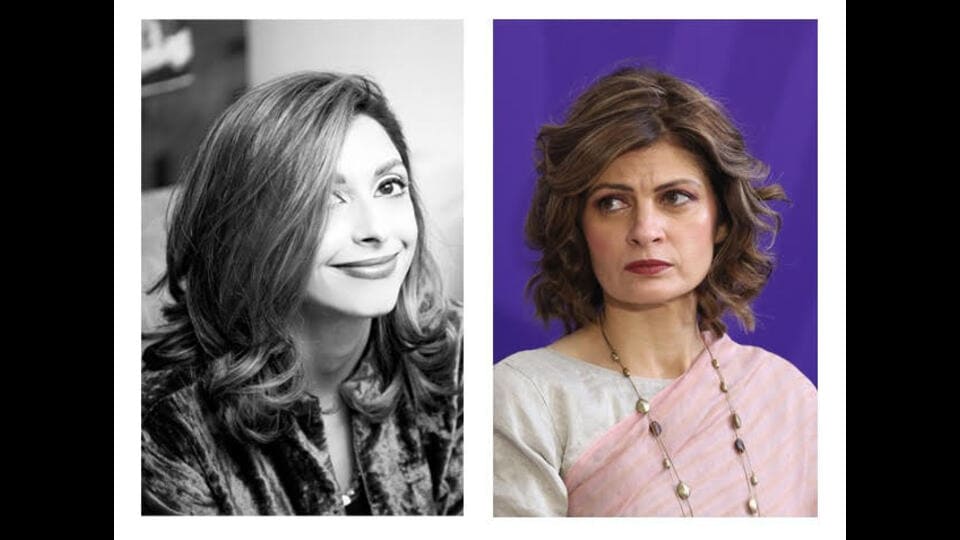
Aishwarya Jha: Actually, our guru inspired the festival. We both study under the same guru, Mother, who teaches us Advaita Vedanta. We have traveled all over India with her. We’ve seen so much incredible beauty and diversity in this country. We have such a vast, diverse and pluralistic kind of heritage. Some things become mainstream. For instance, if you think about food, then people think mainly about Old Delhi food and chaat and Mughlai food, which is part of the culinary fabric of the city. But there is so much more to it. Mother said, let’s start something which can really highlight things that are not so well known about the culture, about the history of our country and also present it to people in an interesting and relatable way, not in a pedantic kind of way. That’s the vision behind Indophile. And Kahaani: Dilli Ki is, of course, the first of our festivals with Indophile.
Sara Abdullah Pilot: It is going to be a series. Kahaani: Dilli Ki is the first. We’re going to go across the country. We’ve already had requests to do a Kahaani: Lucknow Ki and a Kahaani: Bhopal Ki. There are endless number of places in India where one can do these kinds of festivals to highlight the best of that particular city.
Aishwarya: When you look around India, you see there is no end to the kahaanis. Every place has so many. And what’s beautiful is that every place has so many kahaanis from the same place – you’ll have people from different communities, different faiths, just different strata of society and everybody has their own kahaani. We want to do our bit to highlight these and give those stories the importance that they deserve.
Please tell me about the curation for this event.
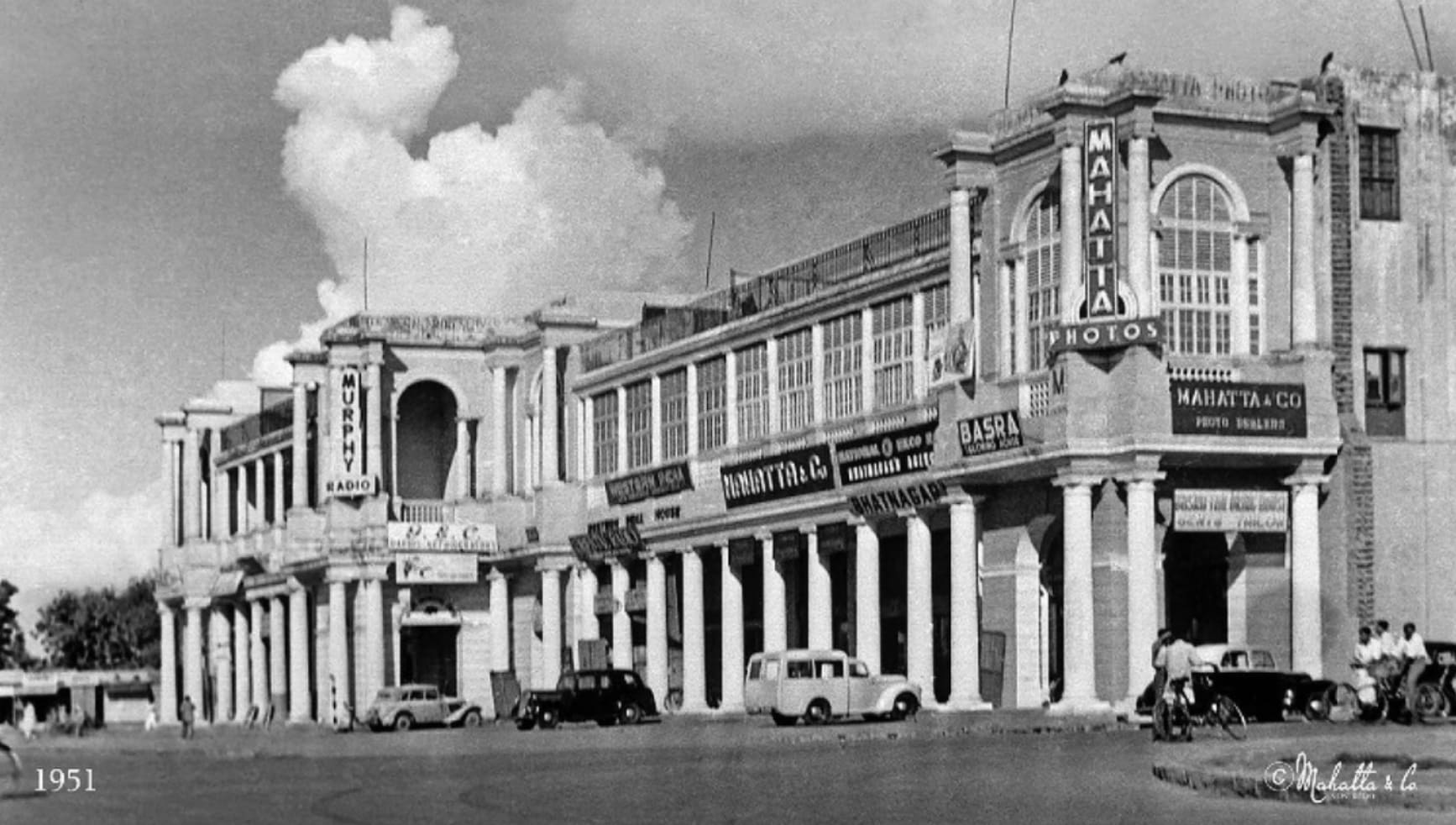
Sara: We were determined that all aspects and facets of Delhi must come together. It’s like that jigsaw puzzle where all the pieces need to fit. When people come in there, they should have an immersive experience and that they’ve come into a whole different world, a whole different Delhi, which maybe they’ve never experienced in this way before. Delhi is such a fascinating city, such an ancient city, starting from Indraprastha all the way down the dynasties, even the British, and now to modern day India. It is so rich, ‘the city of cities’, that’s why we called it that. Some people say it’s nine cities, some say it’s seven cities. To reflect all this in this one festival is what drove us to that curation.
Aishwarya: Because Delhi is such a melting pot of different cultures and communities, we wanted to do our best to give everyone representation and their say in this kahaani. During our social media campaign, we’ve been interviewing people to share their kahaanis of Delhi and every day, there’s something or someone else that comes up. The Bengalis of CR Park want to share their story, the people from Old Delhi would like to share their story, the people from so many different parts of Delhi... We want to give that representation, which is why, we have involved people like the Dilli Dehat project, which is an interesting initiative by those who want to talk more about the villages of Delhi and showcase how Delhi is actually a city of villages. That’s something a lot of people may not know about, like what was there before the colonies that we live in today came up. Then, we have the Old Delhi food, some Mughal food, which is being curated by Anoothi Vishal as Kahaani Chor Bazaar Ki. We also have some Baniya and Sindhi food.
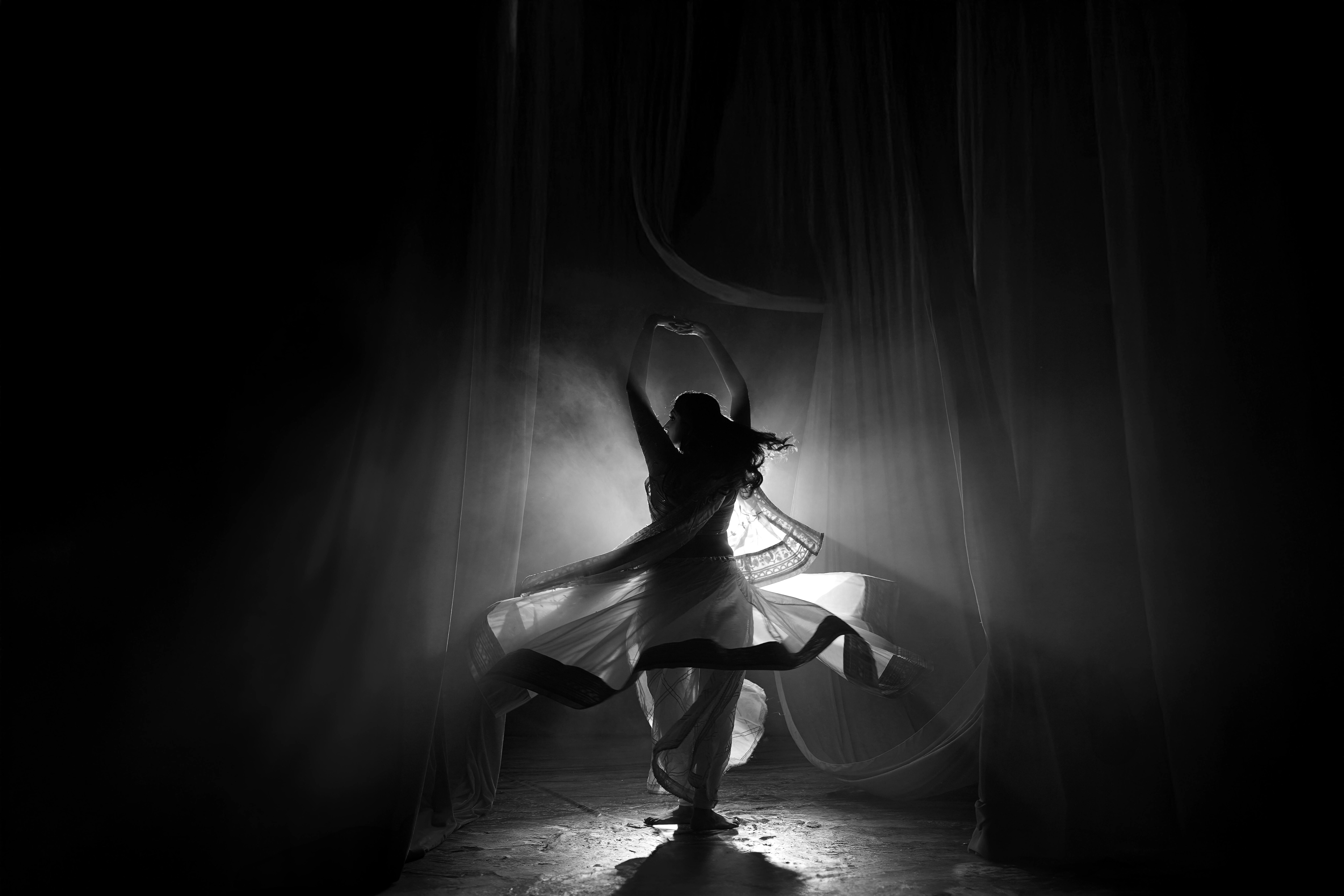
Even in terms of the performances, it’s very important in any festival to get the right balance between things that are not so well known and elements that are headliners. So, we have the Dilli Gharana artists to whom we really wanted to give a platform.
Aishwarya, as an author, you also know that Delhi has a rich literary heritage. Is that something that you’ve envisioned for this or future iterations of the festivals?
Aishwarya: Yeah, definitely. My debut novel, The Scent of Fallen Stars is my ode to Delhi. This is a city with which I have a very fraught relationship. I didn’t love it when I was growing up here. It seemed like a dull and unexciting kind of place. You’d watch Hollywood movies and listen to the music and think that, oh, life is somewhere out there in the US; there’s this American dream that we all had. It’s only when I went to North America and stayed there for a year that I understood what Delhi meant to me. When I was writing, it was clear to me that I wanted to write a Delhi book. In the process, I discovered so many other interesting and wonderful Delhi authors and Delhi books. That’s something we should celebrate and we definitely want to highlight that.
We have authors like Nona Uppal and Madhulika Liddle speaking. I hope to do that for all the different editions of Kahaani, where obviously the literary voices are very important in also showcasing the city at different times and from different perspectives.
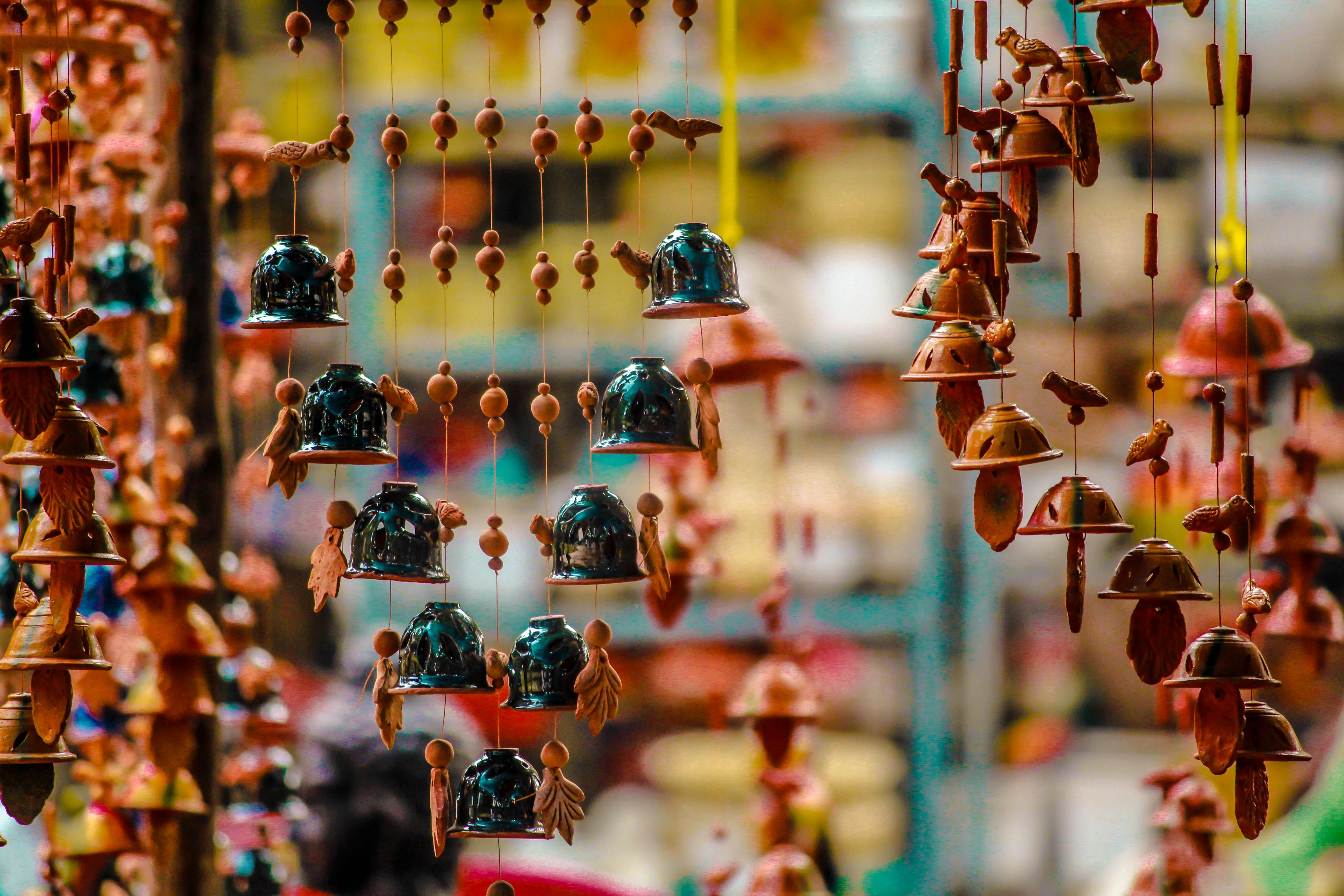
Sara: Apart from the food and the performers, there are also two other parts to the festival. One is a Delhi bazaar kind of area. We will have people selling interesting crafts there but what we really want to do is highlight the kaarigars to give them the respect. A lot of us may buy something and think it’s beautiful but don’t quite understand what has gone into it -- how long does it take to do that embroidery or that crochet or the cross stitch. When we understand that, our connection with craftspeople increases. It’s all about kahaanis.
We will also have panel discussions across the two days where we will have authors like William Dalrymple and Swapna Liddle. Shalini Passi, who has just published a book, will also be there. So, it’s both serious and also lighthearted, fun.
Sara, you’ve worked on gender with NGOs and Delhi-based organizations. Is there something that you would like to highlight on that front as well?
Sara: I have an NGO called CEQUIN, which is the Center for Equity and Inclusion, which I co-founded about 17 years ago, and I was with the UN before that. So, it’s about looking at things through a particular lens. This is not a CEQUIN event, it’s an Indophile one, which is separate. But one ensures that voices from all parts of society are presented.
Aishwarya, you have also had this experience with design. Please tell us about the art aspect and about the sensory installation and how it came about.
Aishwarya: Art is definitely a critical component of understanding any place, time, city, any thinking. This is Rathin Mitra’s centenary year so celebrations will be kicked off at Kahaani: Dilli Ki with the Ink & Empire exhibition, which traces the Rajdhani journey between Calcutta and Delhi through his sketches.
The Khari Baoli installation is also something we are excited about. Delhi has all these special places like the spice market or Chandni Chowk but it isn’t possible for everyone to go there all the time. We wanted to give people a feel of that within the festival itself. The best way to do that seemed to be through an installation which is also living and interactive. So, people will be able to try the spices and the different spice mixes, buy them and talk about their own family spice mixes and things like that. It’s all part of our endeavour to make sure that culture is alive.
This festival is in collaboration with the Ministry of Culture. Will you be seeking government support for the different iterations of Kahaani that you have envisioned across the country?
Sara: When we’re talking about preserving cultures and highlighting them, it is very important to have support from the government. When you go through the government, it’s at a completely different level. Also, there is that stamp of approval when the government is looking at something like this, which is very much appreciated by me and Aishwarya, because we’ve been working very hard on this. We met the Chief Minister of Delhi. We’ve met also Shekhawatji, who’s the Minister of Culture, Government of India, and the LG of Delhi, who all really appreciated this idea. It’s not a government programme; it’s very much ours. It’s curated by us; It’s run by us; It’s our idea. But as I said, the fact that the government has recognized that it is something that is going towards the preservation and a showcasing of the best of Indian culture is very good. In whichever city, state, or whatever form our future festivals or events take, it will always be good to have the government’s support.
Aishwarya: What we’re trying to do with Indophile is very much in harmony with the goals of the Ministry of Culture and the Ministry of Tourism in terms of showcasing and highlighting Indian culture. It’s very good for us to have that partnership. It definitely helps us. And we hope to always have that support from the government.
Please talk about one kahaani of Delhi that has shaped your experience in some way?
Sara: I wasn’t a Delhiite; I am one now since I have been here for 20 years. But I was born and spent a lot of time in Kashmir and then we moved to England. We used to come back every year to visit family or to go home to Kashmir. Obviously, one had to fly in through Delhi. I remember every time those plane doors opened and one would step out of the airplane, I would be hit by this… It wasn’t that there was some beautiful fragrance in the airport or anything. It’s something that now I understand because of what Mother teaches us about India – that there’s something here, that presence of Bharat. Actually, what is Bharat and what is India? Something in the soil, something in the air. It would hit me. I think it was that sense of being at home, that I’m back, that is really what I always feel about Delhi. For me, it’s home because my Guru is over here and I can’t think of being anywhere else.
Aishwarya: Once, many years ago, I was working on a project where we needed to find a haveli in Delhi. I’m sure you know that is not easy to find because unfortunately, so much of our architecture and so much of our heritage has also been destroyed over the years. Or it’s been ripped apart because families have had to split their assets. Somebody gave us a tip to go to a place in Mehrauli near the Ambawatta complex. So, we get to this place where there’s a green common with three-four perfectly preserved havelis around them. You step in and it’s like you’re completely cocooned. The rest of Delhi, the outside world, the traffic, the noise, nothing impinges at all. You can hear the birds. And there’s that fragrance of the earth. As Sara said, like the earth of India, the earth of Delhi has this very particular fragrance. Those havelis were sort of abandoned. Nobody was doing anything with them. It was like stumbling upon a lost world, and I’ve never forgotten that. We didn’t manage to get one of those havelis and that project never happened, but it’s something that has always stayed with me. It has kind of shaped my belief that Delhi has many lost worlds. If you’re really lucky, then once in a while you will come across something that is completely enchanting in the middle of this very crowded, noisy and polluted city. And that’s what I find very compelling about Delhi.
Simar Bhasin is a literary critic and research scholar who lives in Delhi. Her essay ‘A Qissa of Resistance: Desire and Dissent in Selma Dabbagh’s Short Fiction’ was awarded ‘Highly Commended’ by the Wasafiri Essay Prize 2024.


