
 E-Paper



Philadelphia; a city that reads between the lines
While tracing the literary legacy of this city of words, the visitor can’t help but notice that Philadelphia’s influence on American literature

 Prefer HTon Google


In a city best known for birthing American independence, it’s easy to overlook the quieter revolution of the pen. But Philadelphia is not only the birthplace of a nation — it’s also one of America’s great literary cities. From Benjamin Franklin’s printing presses to contemporary indie bookstores thriving in repurposed rowhouses, the City of Brotherly Love has long been a haven for writers, readers, and radical thinkers.
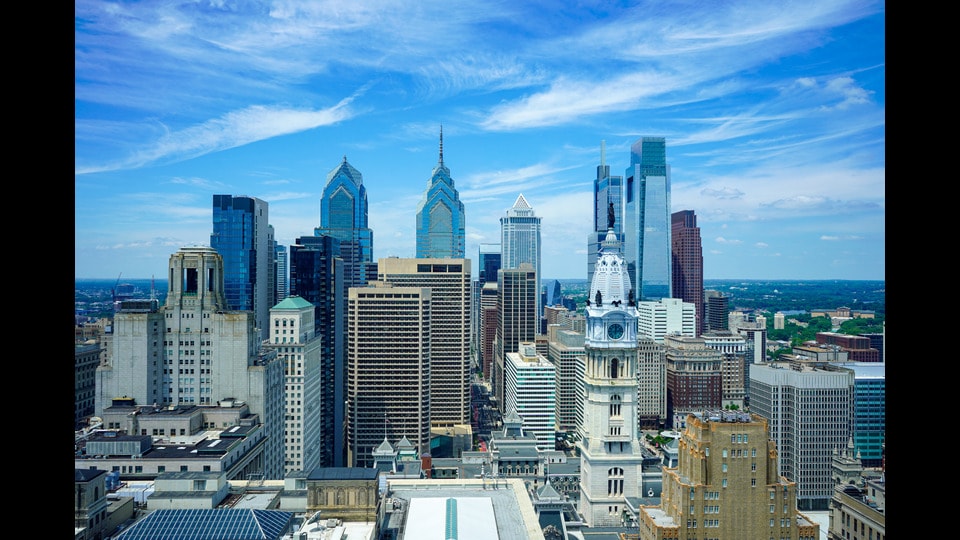
Founded in 1682 by William Penn, an English Quaker and advocate of religious freedom, Philadelphia was the capital of the colonial era province of Pennsylvania. It went on to play a crucial role in the American Revolutionary War, serving as the first capital of the United States from May 10, 1775, to December 12, 1777.
“As the capital, Philadelphia soon became a literary nucleus. Local presses printed pamphlets, newspapers, and journals, fanning the flames of rebellion and civic thought,” says the guide taking us on a walking tour of Philly.
In 1731, inventor and to-be statesman Benjamin Franklin founded the Library Company of Philadelphia, the first public library in the colonies. Free and open to the public, it is today known for its rare collection of books and art and often hosts exhibits and public programmes.
A printer by trade, Franklin not only championed literacy but also published the influential Poor Richard’s Almanack from 1732 to 1758. “Published under the pseudonym of Richard Saunders, it contained all sorts of interesting information: the calendar, weather predictions, sayings, poems. recipes, trivia, advice, aphorisms, and proverbs,” the guide says.
Franklin considered his almanac a vehicle of instruction for common people who could not afford books. The print run for his “literature for the masses” hit up to 10,000 per year. His one-liners, including “Little strokes fell great oaks”, “Necessity never made a good bargain”, and “Either write something worth reading or do something worth writing”, showcased his wit and wisdom -- and are quoted across the world till today.
Franklin’s contemporaries included writers like Thomas Paine, whose Common Sense, a 47-page pamphlet ignited the American independence movement, and Charles Brockden Brown, often considered the first American novelist.
In the 19th century, the city nurtured literary giants such as Edgar Allan Poe, who was based here for six of his most productive years. It was while living at 7th and Spring Garden that he wrote The Tell-Tale Heart, The Fall of the House of Usher, and The Black Cat. The Poe House, now a National Historic Site, preserves the claustrophobic charm of his former residence, complete with a hauntingly bare cellar that could have inspired his darkest tales.
Philadelphia was also home to Louisa May Alcott, who briefly lived here as a governess; and Walt Whitman, who spent his final years across the river in Camden, often crossing the Delaware for walks and literary salons. A plaque in Philadelphia’s City Hall courtyard commemorates Whitman’s influence, quoting his line: “I loaf and invite my soul.”
By the turn of the century, literary journals such as Lippincott’s Monthly Magazine, headquartered in the city, were publishing rising stars like Oscar Wilde, who debuted The Picture of Dorian Gray in its pages in 1890.
In the 20th century, Philadelphia continued to shape American literature through its universities and its grittier street-level narratives. Black writers, in particular, found their voices here, capturing the complexities of urban life, inequality, and Black identity. Philadelphia-born poet Sonia Sanchez became a leading figure in the Black Arts Movement, and her evocative verse has inspired generations of poets. She once described poetry as “the soul’s whisper,” a whisper that seems to echo in Philly’s alleys and auditoriums alike.
Novelists like John Edgar Wideman and Lorene Cary chronicled the experience of growing up Black in Philadelphia with works like Philadelphia Fire and Black Ice, blending memory and social commentary. Wideman’s spare yet lyrical prose, influenced by jazz, gives the city’s underbelly a powerful rhythm: “He came out the alley with his hands up and the cop fired.”
Philadelphia is also home to the literary quarterly American Poetry Review, which has brought voices like Adrienne Rich, WS Merwin, and Tracy K Smith to wider audiences.
Literary landmarks
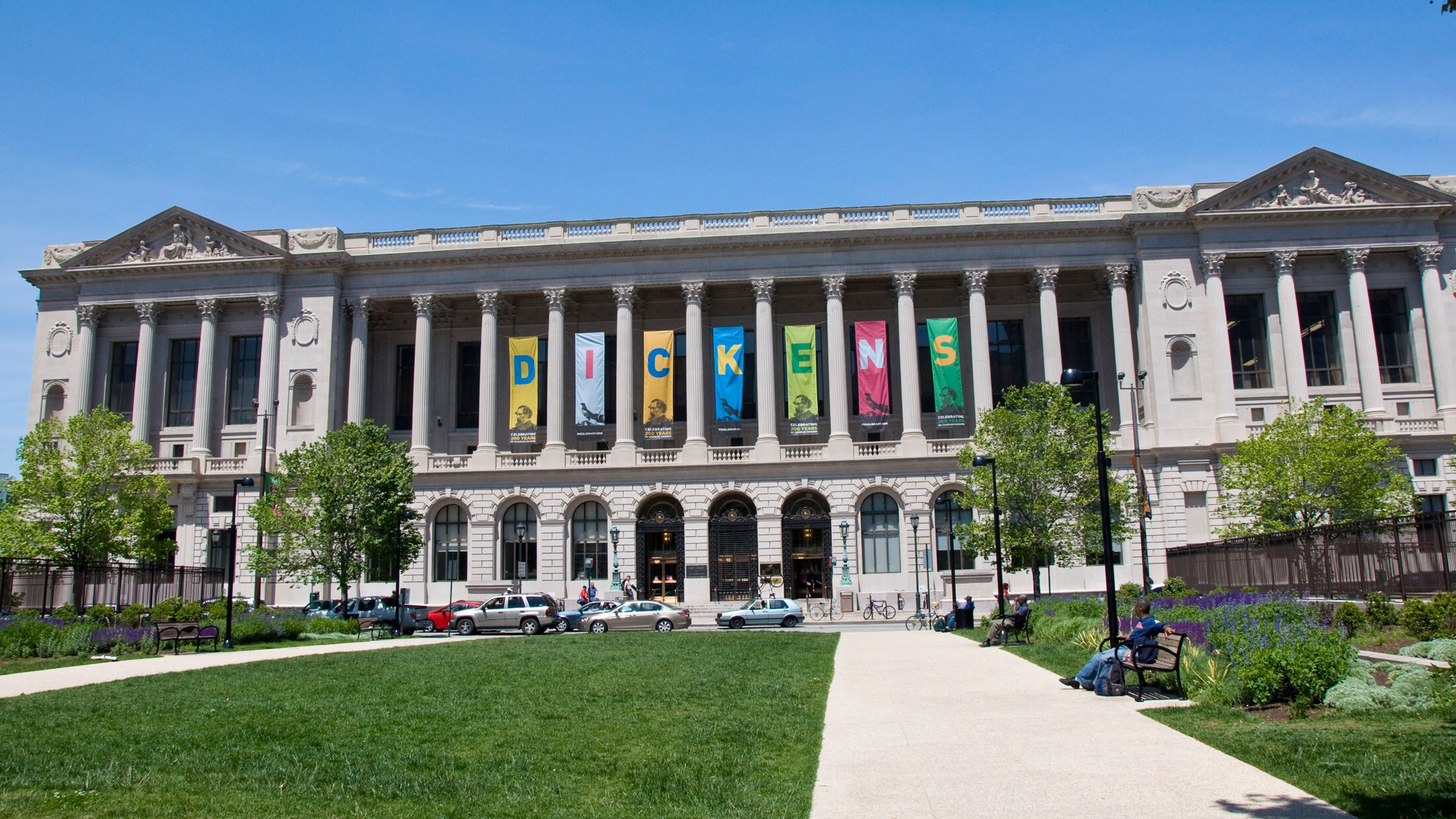
The Free Library of Philadelphia, housed in a striking neoclassical building, is located on the Benjamin Franklin Parkway. In April 2019, the building’s first renovation since its construction in 1927 saw architects relocate six historic stacks to create 41,000 square feet of space for a modern business resource and innovation centre, an inclusive cultural and civic engagement space, and a welcoming teen centre. “It frequently hosts literary and other events,” the guide says as we walk down the expansive road.
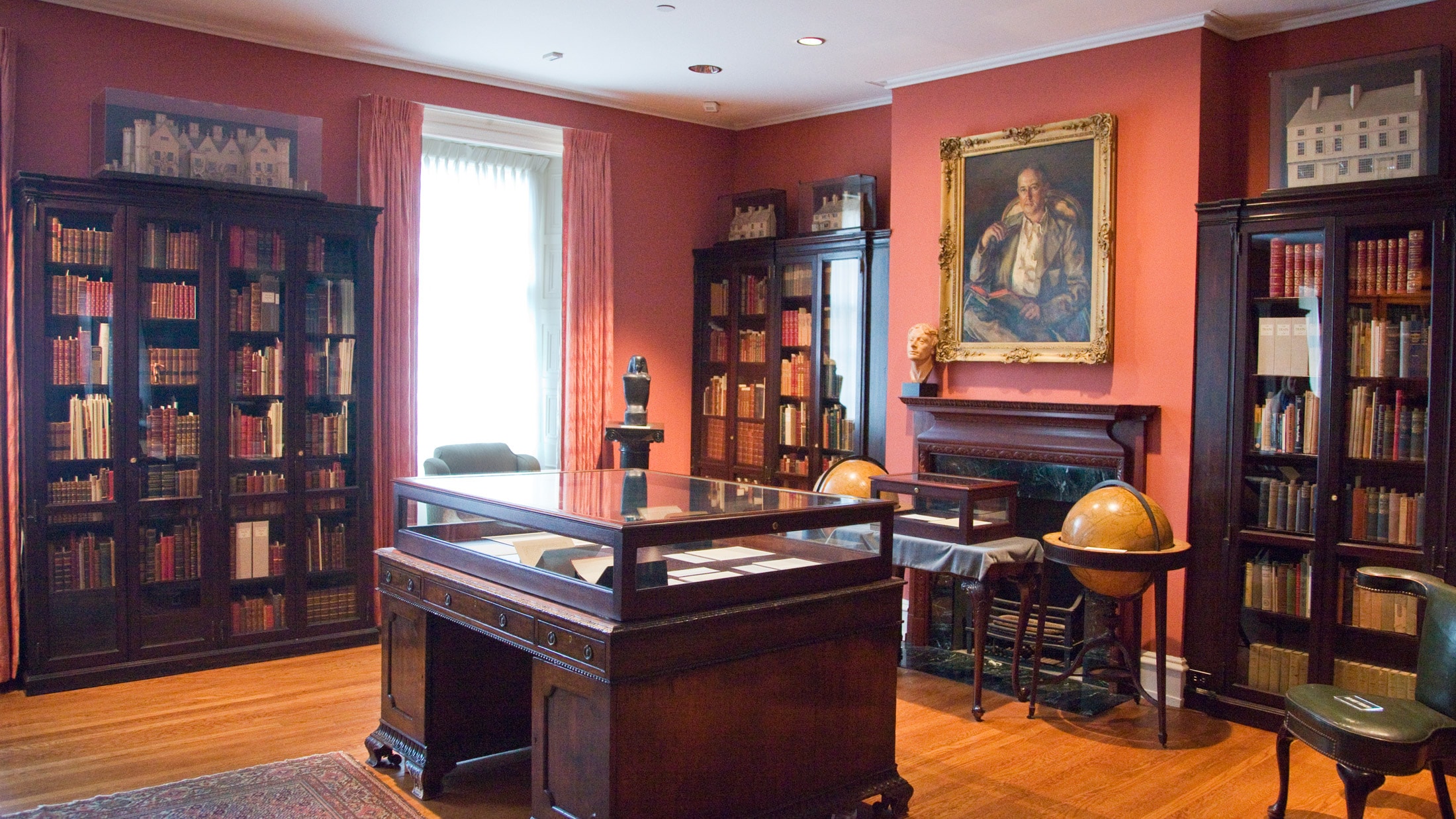
The Rosenbach Museum and Library in Rittenhouse Square showcases some important literary treasures: James Joyce’s manuscript for Ulysses, 600 Lewis Carroll books, letters and rare photos; Shakespeare’s 1664 folio; first editions of Don Quixote; William Blake’s original drawings and books; portions of Charles Dickens’ manuscripts; and notes for Bram Stoker’s Dracula.
The Black Writers Museum, the only US museum that spotlights Black literature, is located in Germantown and houses rare newspapers and documents, manuscripts, photographs first editions, signed books, and recordings.
Then there’s Historic Christ Church Burial Ground, where Franklin is buried. It’s impossible to leave without placing a penny at the grave of the man who popularised his maxim: “A penny saved is a penny earned.” A few blocks away is the house where Frances EW Harper, one of the first African American women to be published in the US, lived and worked as an abolitionist and writer.
The bookshops of today
Modern Philly showcases its past in its many cobblestone alleys, 18th-century buildings, and landmarks like Independence Hall and the Liberty Bell. But the historic façade co-exists with a restless, creative energy that reveals itself in its many murals and art galleries – and, of course, bookstores.
Brickbat Books, a tiny store along Philadelphia’s Fabric Row, stocks rare first editions and graphic novels. The creaky floors and quiet atmosphere make it a great place to book hunt. At House of Our Own, located in a two-storey Victorian townhouse near the University of Pennsylvania campus, students and the public have been scouring the shelves for new and used books for almost 50 years.
Uncle Bobbie’s Coffee & Books in Germantown, founded by scholar and activist Marc Lamont Hill, has become a hub for community-centred dialogue, offering an intentionally curated selection of books centering Black and marginalised voices. The hip neighbourhood of Fishtown has Ulises, a contemporary store stocking a fine range of artist-driven books and magazines, and offering performance art and indie film screenings.
In Queen Village, Headhouse Books offers a quiet refuge of literary fiction, art books, and philosophical tomes, along with author events that feel more like intimate salons than formal readings.
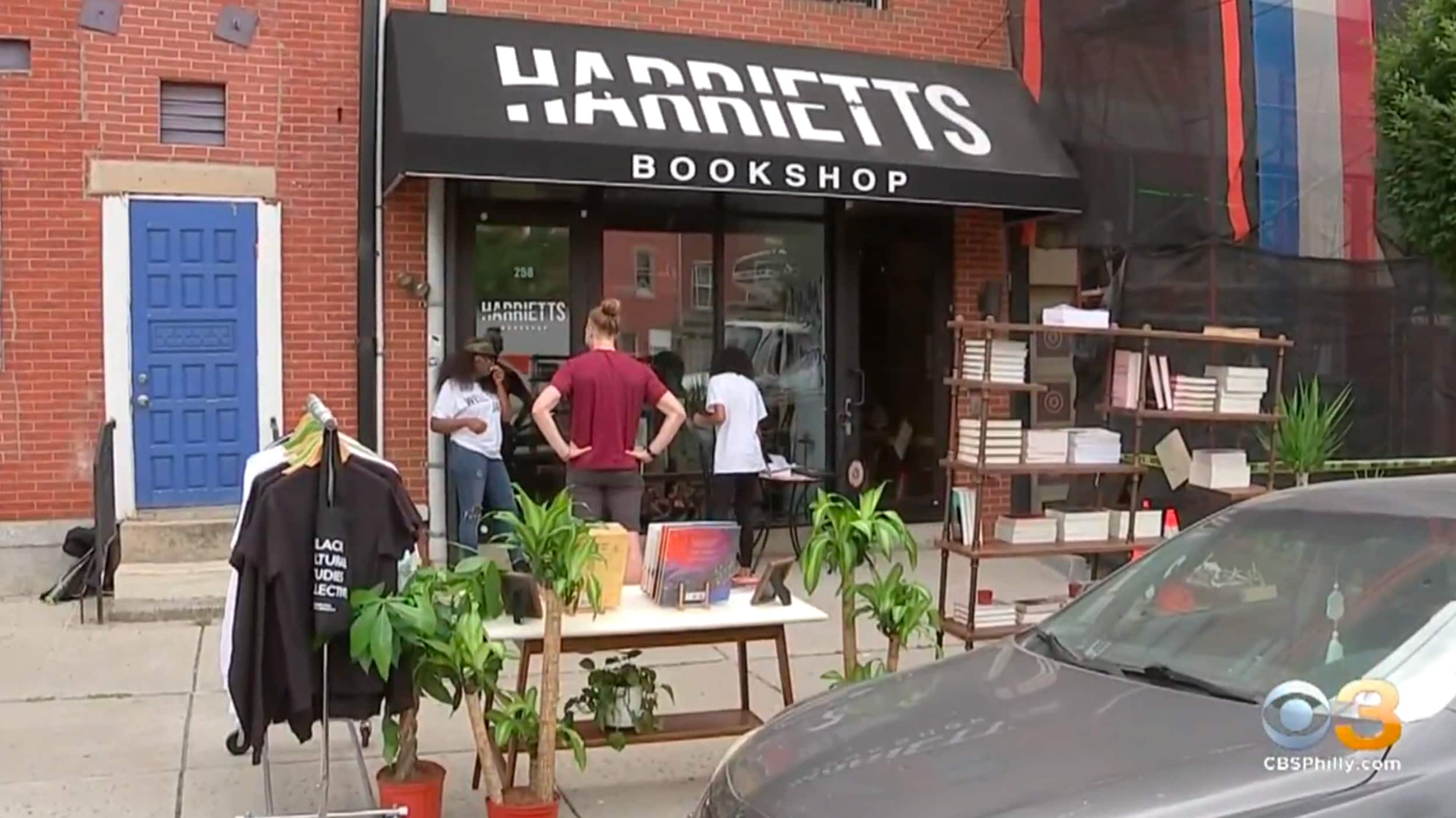
Further north, The Book Trader near Independence Mall stacks thousands of used books from floor to ceiling in narrow aisles — an organised chaos where you can stumble upon a vintage Vonnegut next to a well-loved Baldwin. As the name suggests, Harriett’s Bookshop, named for historical heroine Harriett Tubman, celebrates women authors, artists, and activists. The Head & The Hand, meanwhile, supports local and emerging writers, and allows you to share your love for books with a “date night” in the bookshop. And for those seeking genre delight, Partners and Son, a comic and graphic novel-focused shop in Olde Kensington, blends visual storytelling with literary depth.
Philadelphia’s neighbourhoods also host small press readings, poetry nights, zine fairs, and seasonal book festivals. Not to be missed is the Philadelphia Bookstore Crawl, a yearly celebration of the city’s vibrant bookstore scene, held at the end of every August (August 23 this year). There’s no specific trail; just a list of participating bookshops and numerous events like book signings, author talks, little giveaways, and discounted books.
In many ways, Philadelphia is a city that reads between the lines. From the 18th-century writings of Benjamin Franklin to the contemporary voices emerging from community centres and coffeehouse stages, Philadelphia offers a layered and living literary tradition. The city’s book culture is not confined to museums or monuments — it continues to evolve in libraries, bookstores, and the habits of readers and writers who call the city home.
Teja Lele is an independent editor and writes on books, travel and lifestyle.


