
 E-Paper



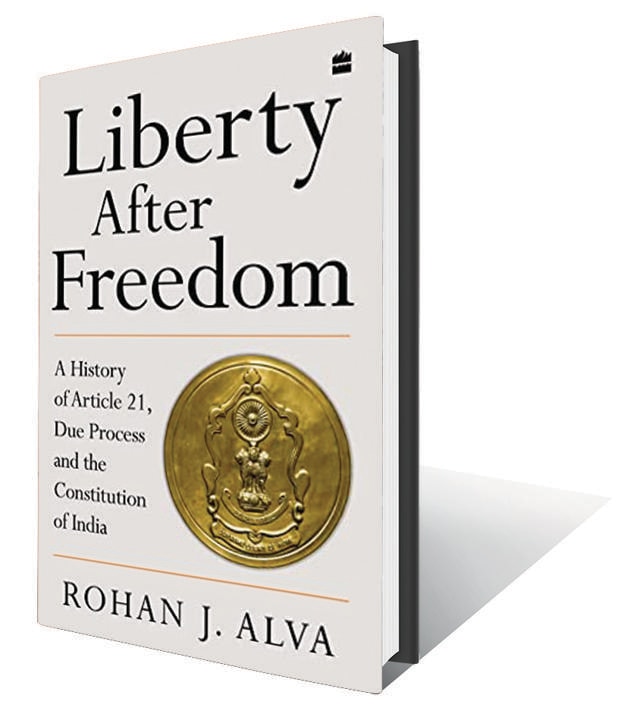
Review: Liberty After Freedom by Rohan J Alva
About the triumph of due process within the scope of Article 21 of the Constitution, which has to do with the fundamental right to life and liberty, this volume also highlights the open texture of Indian laws that allows the judiciary to stay with the times

 Prefer HTon Google


The Indian Constitution is a living document. Like the society whose collective will it represents, the content is meant to be organic. It changes with the needs and aspirations of a developing society but all changes do not come through legislative amendments. Some vital changes are introduced by words acquiring new undertones with time.
Rohan J Alva’s book is devoted effectively to the evolving legal connotations of just two words: due process. A large part of the book is about the omission of “due process” in the original text proffered by the Fundamental Rights’ Sub-Committee of the Constituent Assembly, and the rest is about its triumph within the scope of Article 21, our fundamental right to life and liberty. The book compiles the Constituent Assembly’s deliberations with amazing granularity.
Such a niche pursuit could have been tedious, even tautological, but the core logic of the book grows on you. One begins asking questions about due process, or the lack of it, despite the puzzling fact that the author has altogether avoided discussing contemporary India. Can the state throw its critics into prison with or without lawful authority? How long can questionable detentions be prolonged by law enforcement? Can the judiciary keep habeas corpus petitions on hold? The answers are in Article 21 and the spirit of due process makes it an effective safeguard of liberty.
One of the earliest drafts of the Article proposed: No person shall be deprived of his life, liberty or property without due process of law. This was followed by dozens of subsequent drafts by the members of the Constituent Assembly, which drafted the Indian Constitution and debated it clause by clause freely and fiercely. The final draft added ‘personal’ before liberty, removed ‘property’ and omitted due process:
No person shall be deprived of his life or personal liberty except according to procedure established by law.
How did this change come about and what is the significance of these omissions and commissions? The book demonstrates how a simply written sentence in intelligible English becomes a site of ideological contestation and a strong framework of rights in India. The book is also about the beauty of the argumentative Indian mind and a peek into the thinking of our founding fathers. It must be read by anyone interested in the making of the idea of India.
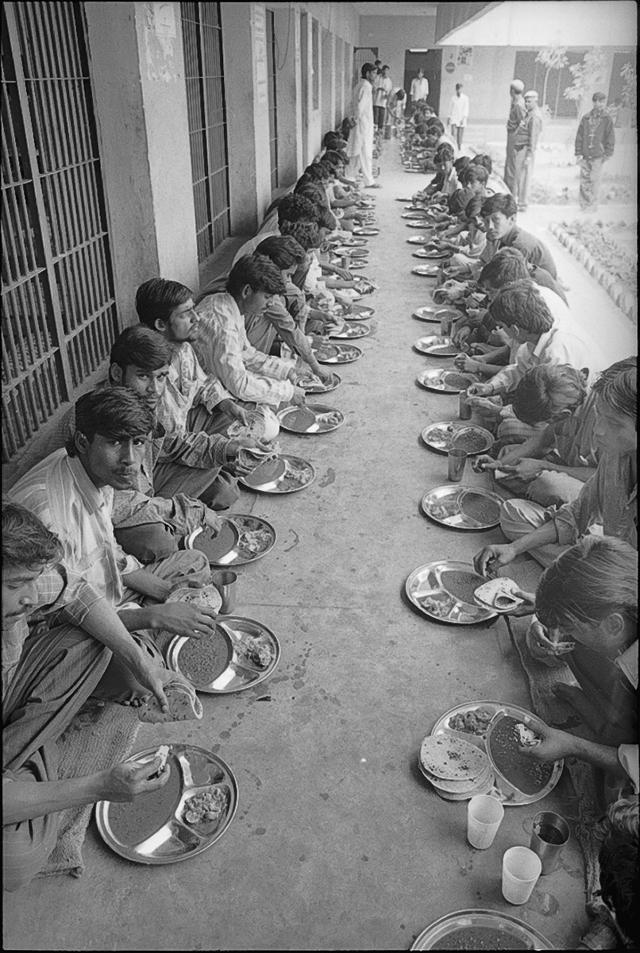
The book shows, above all, that the open texture of Indian laws allows the judiciary to stay with the times. The scope of Article 21 today extends from procedural to substantive due process and from personal liberty to overarching liberty. And it is in this spirit that Article 21 provides a fundamental right to privacy and disallows criminalisation of homosexuality. It was the same Article 21 — read with Articles 39 (a) and 47 — which gave us the Right to Food in 2002 and the Living Will order of 2014 which heralded the right to die with dignity through an Advance Medical Directive.

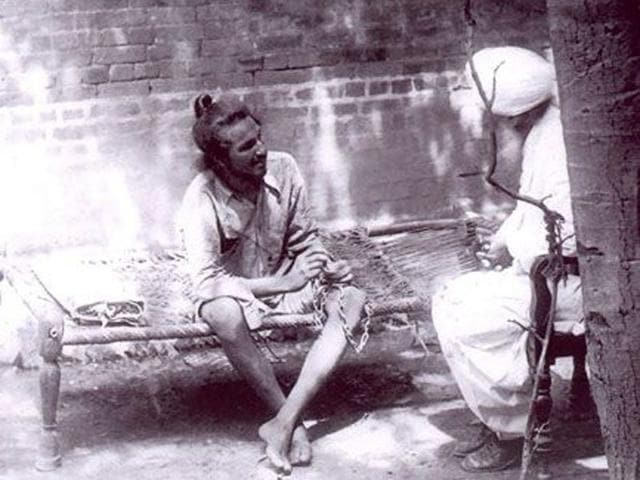
It is not difficult to see why the founders of our constitution were so exercised about due process. Most of them had faced or witnessed the brutality of the British rule which took away the life, liberty, or property of India’s numerous freedom fighters in ostensibly legal ways. Due process was, therefore, meant to be a citizen’s guarantee against governmental overreach so that the horrors of the colonial rule were not repeated in free India.
Thus, the need for an enforceable due process guarantee as a fundamental right was a historical necessity for the framers of the Indian Constitution. After poring over multiple constitutions of the world, they considered it necessary to provide a justifiable due process guarantee to every citizen in the form of their right to being heard and knowing the charges, having a counsel of choice, and the right to examine witnesses, besides a protection against police brutalities.
The contestations were around vital principles of law, ethics and legal philosophy. Forceful arguments were put forth by the likes of KL Munshi, Sardar Patel, Rajendra Prasad, Gobind Ballabh Pant, Kazi Syed Karimuddin, Mohd Ali Baig, Alladi Krishnaswami Ayyer, MC Setalwad, BN Rau, BR Ambedkar, and other illustrious freedom-fighters and legal luminaries of the times. The newly independent state too had its anxieties, ie, the right to property was seen as an obstacle in the way of land reforms or developmental projects. So moved was Dr Ambedkar by all this criticism, meticulously compiled by the author, that he introduced Article 15-A as a substantive due process guarantee, particularly against illegal or arbitrary arrests.

The author shows that the nuances which came into jurisprudence in the last 70 years have created bridges between our fundamental rights which is creating new synergies for India’s future generations. That, perhaps, is the sum and substance of a living constitution.
Vipul Mudgal heads Common Cause known for its PILs and democratic interventions.


