
 E-Paper



Review: The Good Reporter by Disha Mullick, Geeta Devi et al
This is the story of a rural feminist newsroom; Khabar Lahariya’s army of fiery women reporters now question authorities in ways that were previously unthinkable.

 Prefer HTon Google


For the last two decades, Khabar Lahariya’s women reporters have been reclaiming patriarchal public spaces with their feminist rural journalism. Despite beginning as a hyperlocal digital news portal within Uttar Pradesh’s feudal heartland, KL, which has now expanded into other parts of the Hindi belt, has created an army of fiery women reporters who now question authorities in ways that were previously unthinkable.
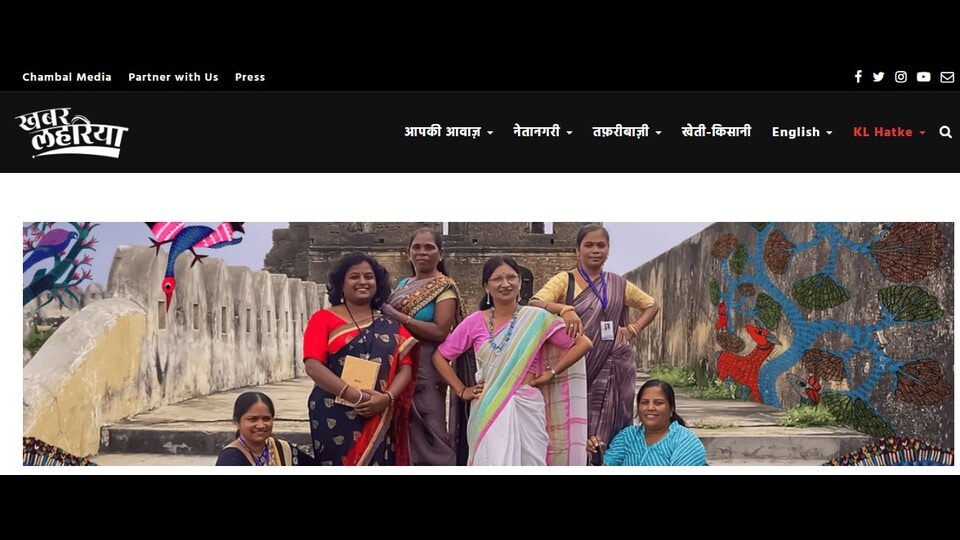
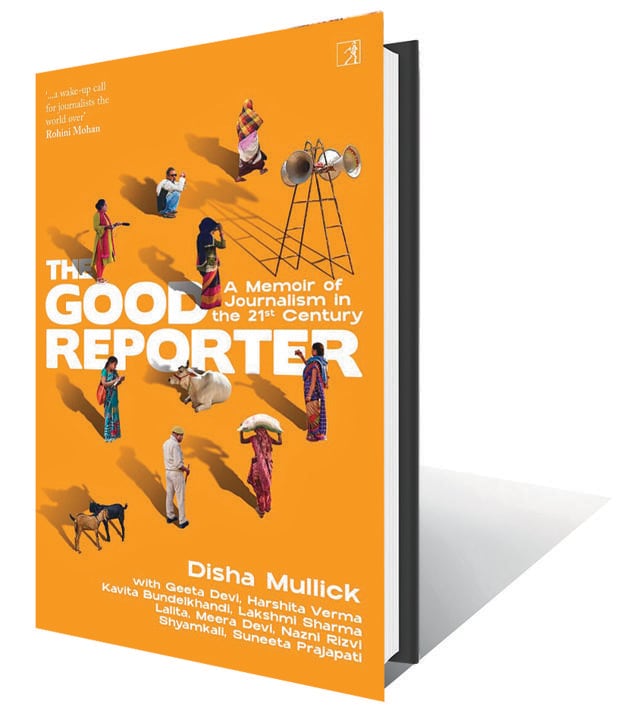
What does it take to build an all-women digital newsroom? The organisation’s collective biography, The Good Reporter: A Memoir of Journalism in the 21st Century, answers that question, with brutal honesty. Written in a “non-chronological” way, it takes a step back to narrate the many stories behind the stories, they ones that were reported on, written about, and broadcast. It also recounts the “instabilities, rivalries and ambitions we were consumed by”. And as the writers themselves say, “It is intentionally partial, repetitive, even unreliable – the story of all our lives.”
Founded in 2002, Khabar Lahariya began as an eight-page weekly local newspaper for the towns and villages of Bundelkhand. Now known across the world and appreciated for its courage, innovation, and feminism, KL’s story has many facets, including internal tensions and constant jostling for power. “I left the job and came back a few times. They said we shouldn’t take her back – she tattles. I felt deeply alienated,” said a woman reporter who lost her job. Another field reporter recalls receiving an order to cover a story. “Just because she was in that role, she thought she could get me to do anything she wanted! As a senior team member, I didn’t like being spoken to like that, or not being heard,” she said.
But these internal tensions aren’t surprising for any organization let alone a Dalit-led women-only newsroom with reporters from mixed caste backgrounds. Added to the ubiquitous issue of caste is the class divide and the challenges posed by the imposition of urban notions of feminism on ground reporters. Surprisingly, the memoir lays bare all these tensions, reflecting on and encapsulating experiences of shame, humiliation, and struggle both out in the field and within the office.
In grappling with what it means to be a good reporter in the public sphere, these women have fought constantly, often making themselves immune to public opinion rooted in stifling traditional value systems. In such an environment, how should a reporter behave, operate, and work? “For most of us, becoming good reporters had not meant banishing our ghosts or demons, or the many voices in our heads – our ancestors, our parents and neighbours, our jija or local quacks. We learned better how to keep them at bay,” they write. Much of this was supported by a genuine sense of community. Far from being lone ‘experts’, their feminist praxis meant “an inter-dependability with the field” they were embedded in.
Reporting on rape, murder, and social aberrations such as sati from the heart of the regions where these incidents occurred, their journalism stands out as it is imbued with a deep local knowledge. This meant that they also focus on issues like cattle theft and the migrant labour crisis, which are matters of real importance for their rural readership. Their reportage occasionally meant going the extra mile and helping those migrant workers in times of distress. It wouldn’t be an exaggeration to say that Khabar Lahariya has introduced perspectives that would otherwise have remained largely unknown to wider audiences fed on mass media produced in the country’s urban centres.
As a feminist newsroom that has been labelled “activist”, KL has had to be involved in “constant negotiations sometimes renewed with each story… covered.” Still, their work is known for its transparency and criticality. What stands out especially is that these reporters have abjured the tendency rife especially within sections of elite Indian television journalism of putting themselves at the centre of the story. “Our bodies were never the subject of our stories; they were repressed or discarded in service of our new avatars,” they say. For them, “stories of shame we had buried so deep were not individual stories, but our collective experience of entering the patriarchal public sphere as working women.”
This collective memoir is also interesting in its uninhibited use of language. Describing an incident of harassment on a public bus, the writer refers to the perpetrator’s private parts as “thick luggage” – a commonly used expression in Hindi which gives the writing an accessible touch. Experiences are shared in a bold and unapologetic way with ribald jokes, insecurities, ambitions, and inhibitions all finding space within the narrative.
Although danger often follows them everywhere, these grassroots journalists clearly enjoy their work and are committed to telling stories well. The Good Reporter: A Memoir of Journalism in the 21st Century deserves a wide readership and a central place on media studies syllabi everywhere.
Mayank Jain Parichha is an independent bilingual journalist. He writes about the environment, wildlife, culture, literature, and politics. He is the author of Nietzsche ki Kutai.


