
 E-Paper



Review: Women in the Wild edited by Anita Mani
"Women in the Wild" edited by Anita Mani celebrates women wildlife biologists who have broken barriers and made significant contributions to conservation.

 Prefer HTon Google


What single-minded passion must it take to almost walk off a cliff while tracking a bird through a set of binoculars? Usha Ganguli-Lachungpa once did just that. It was only when the raptor suddenly veered to the other side that she looked down and realized she was at the very edge of a precipice in Sikkim’s Lashar Valley. A few steps more and she would have lost her footing.
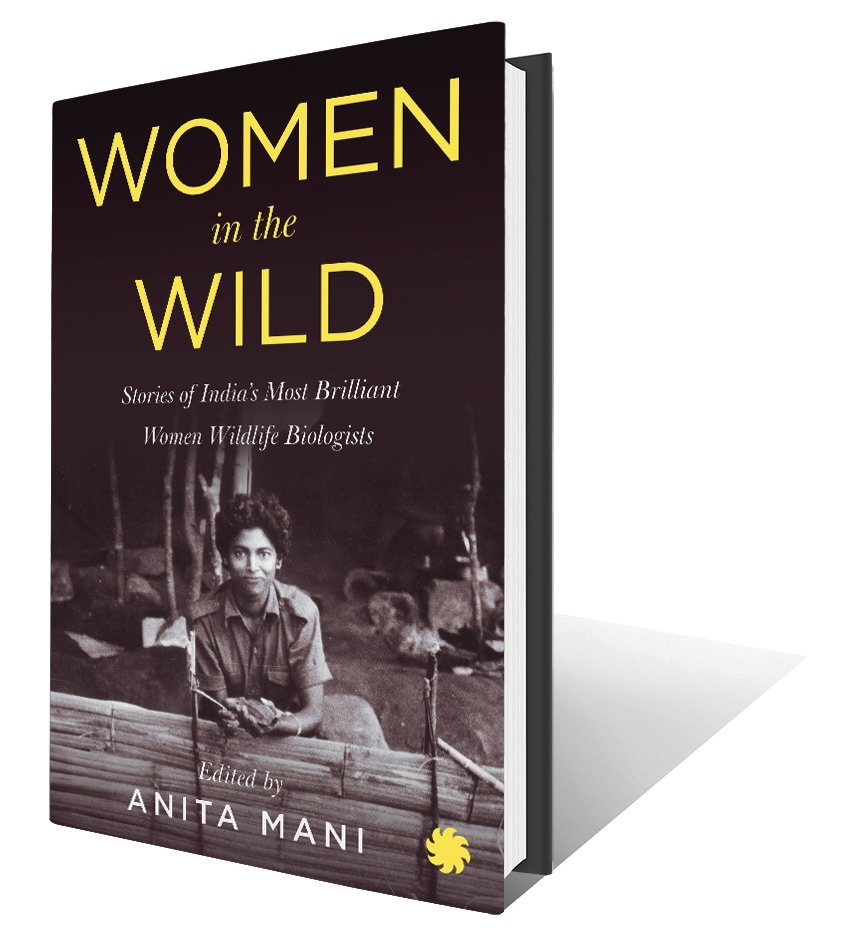
Women in the Wild edited by Anita Mani is an ode to such nature-loving women who have broken the glass ceiling – or should that be the tree canopy? – to become respected wildlife biologists.
Written by a range of journalists, authors and environmentalists, the nine essays in this volume take the reader through the trials and joys of being a woman naturalist. These stories of grit and determination and of the drive to do something for the environment underscore the fact that “emotions”, which women are often derided for showing, are not a handicap when it comes to a career in science. All of these individuals have proven that it is their passion and emotion for a landscape, a species, or even a community that has helped them commit to this difficult profession. As the volume’s editor says in the foreword, these women do indeed “wear emotion and empathy as badges of honour”.
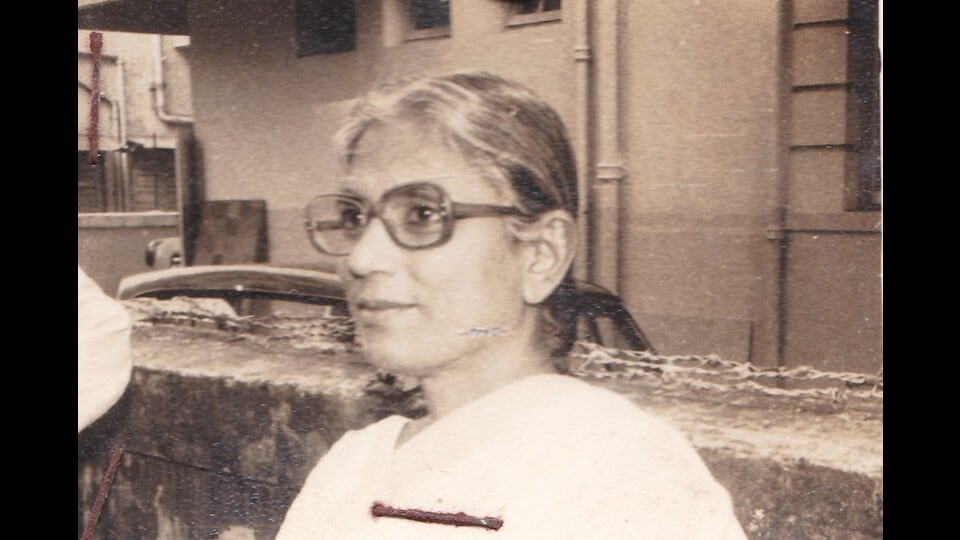
Some essays – such as The First Lady of Indian Ornithology, the story of India’s first “bird woman” Jamal Ara (1923-1995) – are heart-rending. What a pity it is that Ara, despite her prodigious talent and distinction of being one of independent India’s first female naturalists, is relatively unknown today.
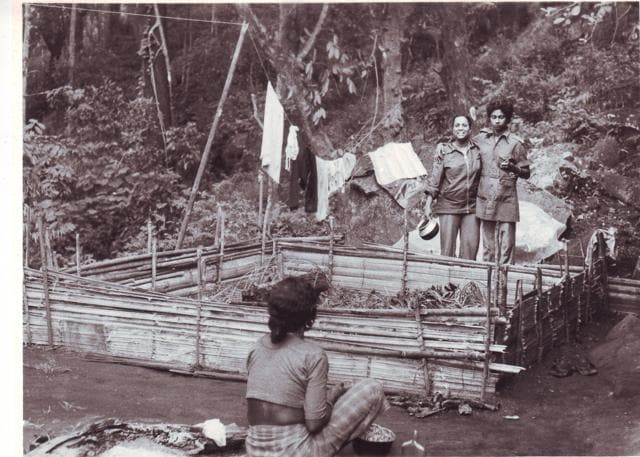
Turtle Girl, Zai Whitaker’s piece on J Vijaya (1959-1987) is a moving account of a remarkable life. Despite a difficult childhood marred by her mother’s schizophrenia, her journey as a field biologist was inspirational. Carting a load of crocodile dung on a bus ride is not something for the faint-hearted, but for “Viji”, it was all in a day’s work.
A similar passion is evident in contemporary wildlife biologists too. Usha Ganguli-Lachungpa’s love for the mountains stands out while Vidya Athreya’s passionate investigation into the leopard Ajoba’s homecoming makes for a truly riveting tale. Ghazala Shahabuddin’s study of oak trees and her focus on specialist species sheds light on the need to conserve niche habitats. Author Neha Sinha’s lyrical prose makes this essay a particularly enjoyable read.
As someone who eschewed the academic track and turned to active conservation, Divya Mudappa’s is yet another inspirational tale. Her work in ecosystem restoration often takes the form of long-drawn projects dependent on the whims of large corporations, government policies and funds. Essayist Shweta Taneja highlights the emotional turmoil involved in these projects – such as when Mudappa had to abandon trees she raised from seed because the land on which the restoration effort was being made changed ownership!
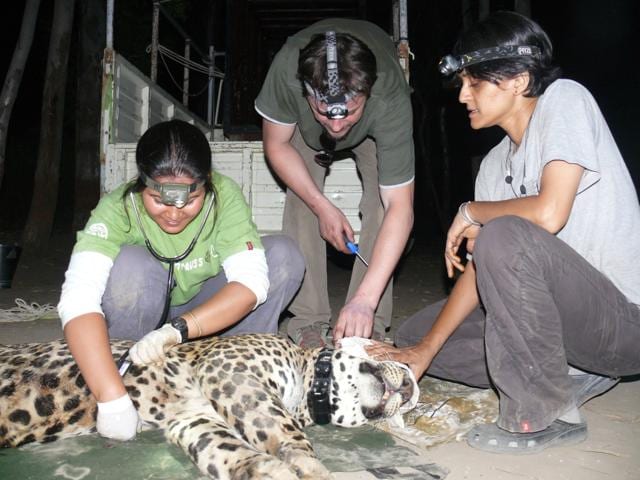
Molecular ecologist Uma Ramakrishnan has become my five-year old son’s idol ever since I told him that she can find out whether a tiger is healthy, what it has eaten and more just from looking at its poop! Famously called the Wildlife Detective, Ramakrishnan’s work on genetic variability in tiger populations has helped enable the movement of tigers between Kanha and Pench National Parks.
ON THE BOOKS & AUTHORS PODCAST: Anita Mani on women who have broadened our understanding of the natural world
The last two essays by volume editor Anita Mani introduce the reader to field biologist Nandini Velho and marine conservationist Divya Karnad. From Karnad’s harrowing but insightful experience with an angry mob of fishermen to Velho’s work at the Pakke Tiger Reserve, both extraordinary lives are faithfully documented.

The work of the wonderful women in this volume teaches readers much about science, the natural world and its bearing on human life. Vidya Athreya, for instance, solved the mystery of why leopard attacks suddenly increased in Maharashtra’s Junnar village. From Ghazala Shahabuddin, we learn that “Not all trees are equal”. Amongst the chir pine and the oak, both native species of the Himalayan mountains, forests of the latter are biodiversity hotspots that support many specialist species of birds. From Divya Karnad, founder of InSeason Fish, a collective that promotes seafood diversity, we learn that the seas around the Indian subcontinent hold a huge diversity of fish species unlike the US or Canada, where the oceans have large schools of a few species of fish. The lesson is that we should consume a variety of fish instead of sticking to popular species such as pomfret and seer. The concluding essay by science writer Purva Variyar, a celebration of the new crop of women wildlife biologists, offers a great ray of hope for those who suffer from eco-anxiety.
From studying obscure species to using hi-tech science for research purposes, Women in the Wild shows that women naturalists are applying their ingenuity to solving a range of environmental problems. In short, they are attempting to ensure that our world remains filled with wonder.
Yashodhara Sirur is a part-time writer and full-time IT professional based in Mumbai.


