
 E-Paper



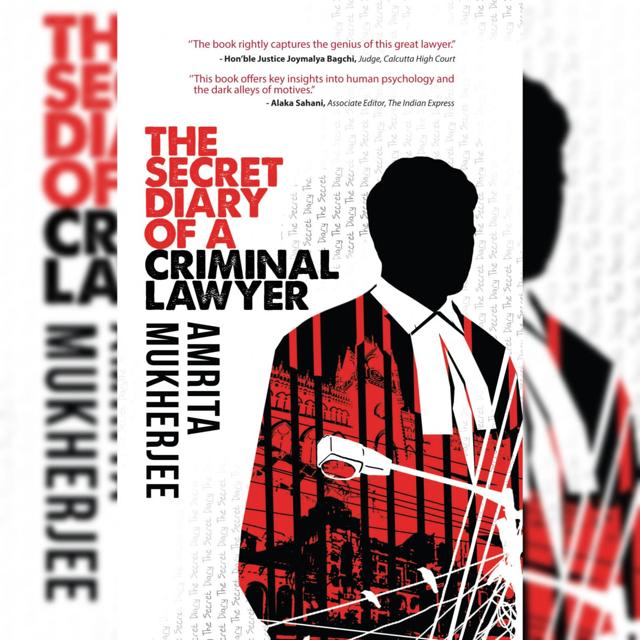
The Secret Diary of a Criminal Lawyer by Amrita Mukherjee
Featuring 10 cases fought by criminal lawyer Asoke Mukherjee, this book that grew out of diary entries presents a legal mind determined to see justice served

 Prefer HTon Google


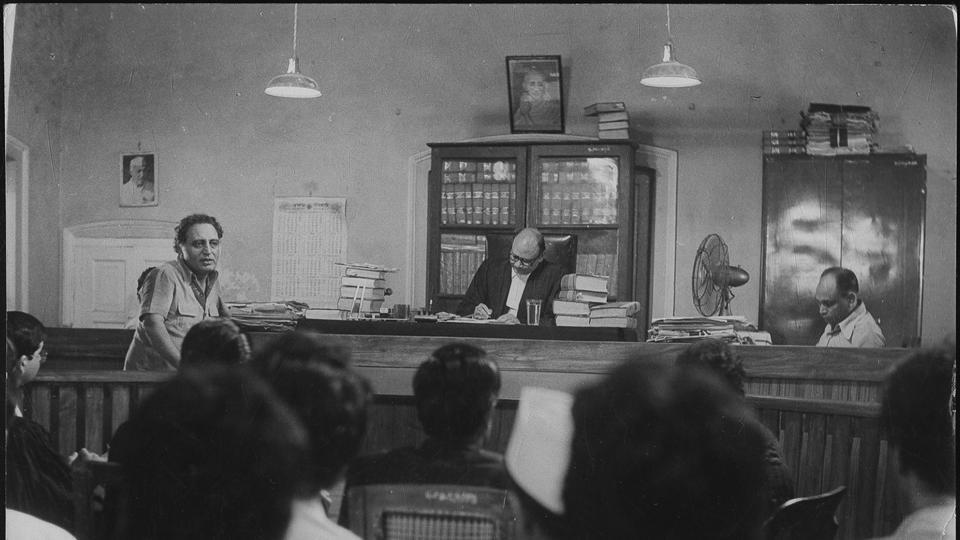
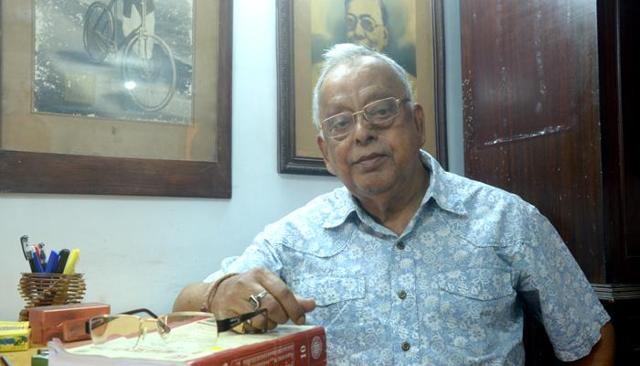
The Secret Diary of a Criminal Lawyer features 10 cases that Kolkata-based Asoke Mukherjee fought and won. Written by his niece, journalist Amrita Mukherjee, who has referred to the late advocate’s personal diaries, this book looks at his excellent track record through his long career, during which he successfully reversed the death sentence imposed on the accused in two cases.
In her first work of non-fiction, Amrita Mukherjee, whose earlier books include a novel, Exit Interview and a collection of short stories, Museum of Memories, has rewritten diary entries to make the work more accessible to the lay reader. Presented in simple and fluid language that is not overloaded with legal theory, details of court proceedings or judicial practice, this free-flowing read begins by elaborating on why a man who had decided to become a teacher opted for the law instead. Strangely, though Asoke Mukherjee came from a family of lawyers, at first, he was not very interested in joining the profession – something he recalls as he lies dying of cancer.
The first of the book’s case studies is the story of a school teacher noted for his ideal teaching methods and his helpful nature. Sadly, he was extremely suspicious and began to needlessly doubt his wife’s loyalty and the paternity of his children. Overcome by rage, he killed his wife and kids.
The second case deals with Paritosh, a young man, who got involved in the Naxalite movement in West Bengal. Even as Asoke Mukherjee was defending him in a court case, he and his Naxal peers were shot down by the police. Apparently, they had been transported in a van and set “free” only to be shot down.
The third case in the book, The Dreaded Don, seems straight out of a Hindi film. A girl from a “good” family falls in love with an underworld don whom Mukherjee agrees to defend because he takes a liking to the handsome and good-natured man, who is kind despite his way of life. His sudden death hurts the defence lawyer who laments about the mysteries of existence that lead even good men to their doom.
And so the stories go on. Each of the pieces deals with cases that the advocate took up believing in the innocence of the accused. One of them features a fratricidal killing. Mukherjee manages to save the man who murdered his brother in a fit of rage by casting doubts on the eyesight of the sole witness, the father of the duo!
Amrita Mukherjee’s afterword to each story details the legal clauses under which the cases were tried and what they mean to the lay reader.This adds another dimension to the book. The note appended to the case of the killer schoolmaster shows just how common intimate partner violence is: “Uxoricide is the term used to describe the killing of one’s own wife or girlfriend. Statistics throughout the world show that murder of the wife or partner accounts for a frighteningly high percentage and ranges from 38 per cent to 70 per cent of the murders in a certain year in a specific country.”
The note about the don’s case segues into a meditation on the depiction of the underworld in cinema:“The Hindi film industry has always been fascinated by the story of an underworld kingpin. From Don, Nayakan, Satya and Company to Gangster and Shootout at Wadala – all these films have delved into love and the underworld.” Sections of the Indian Penal Code that are applicable in cases of abduction and kidnapping and rape are also mentioned.

The epilogue has Mukherjee asking: “Why I defend?” He provides the answer himself: “There is a huge misconception that defence lawyers defend criminals because they want to earn big bucks. It is often believed that your activities as a defence lawyer in a criminal trial are prejudicial to the interest of the society. How can we justify that?” In the history of legal jurisprudence, he states, many an innocent person has been punished. This has happened mostly as a result of the production of false evidence and the procurement of false witnesses, often with the connivance of the police. Mukherjee is ultimately interested in justice. “Is it not the responsibility of a criminal lawyer to see to it that the offender is punished?” he asks, adding “Benefit of doubt is the best weapon of the defence lawyer.”
This is an interesting hybrid text that makes the reader think about crime, punishment, and how important it is for justice to be delivered and not denied.
Shoma A Chatterji is an independent journalist. She lives in Kolkata.
The views expressed are personal


