
 E-Paper



Zurich: A literary capital of exiles and experiments
The birthplace of Dada and the final resting place of James Joyce, Switzerland’s largest city is about much more than banks, watches and chocolate

 Prefer HTon Google


When I first thought about Zurich, the images that came to mind were of the snow-dusted Alps, shimmering lake waters, banks with discreet facades, luxury watch boutiques, and windows filled with immaculate chocolate displays. I wasn’t wrong; Switzerland’s largest city is often described as a financial capital wrapped in picture-postcard perfection.
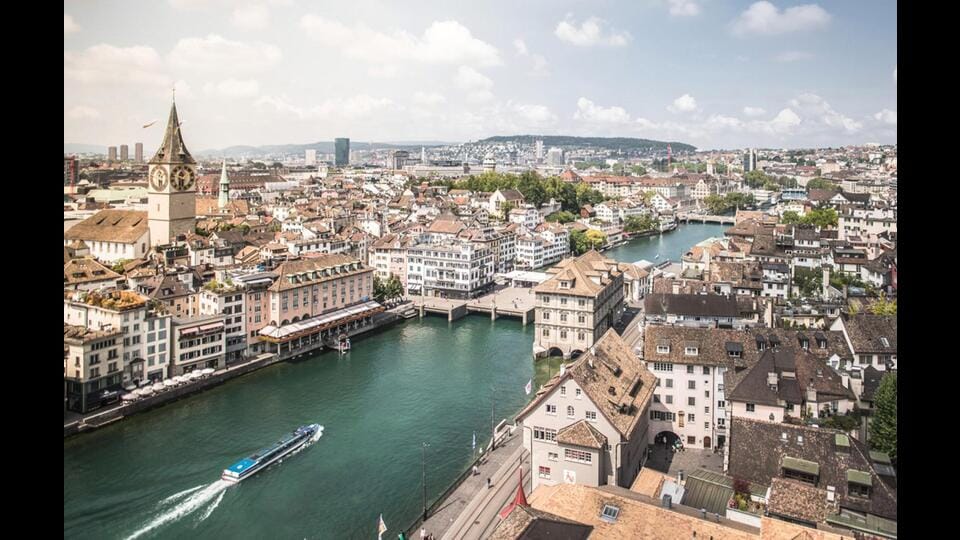
But beneath this reputation for precision and prosperity lies an altogether wilder current: a radical literary heritage that moves from modernist masterpieces to avant-garde revolutions.
Joyce in Zurich: exile, work, and rest
No writer’s shadow looms larger in Zurich than James Joyce’s. The Irish modernist first arrived in the city in 1915, fleeing wartime upheaval in Trieste. He found sanctuary and the space to work on A Portrait of the Artist as a Young Man and Ulysses in neutral Switzerland.
He returned to Zurich during World War II and died there after surgery for a perforated ulcer in January 1941. His grave lies in the quiet Fluntern Cemetery, on a hillside overlooking the city. The site is modest yet evocative. A bronze statue by Milton Hebald depicts Joyce seated, book in hand, his gaze lifted and looking out on to the horizon. Visitors, including Joyce fans, curious travellers, and Irish expatriates, often leave flowers, notes, or even a dram of whiskey at the grave. Beside him rests Nora Barnacle, his lifelong partner and muse.
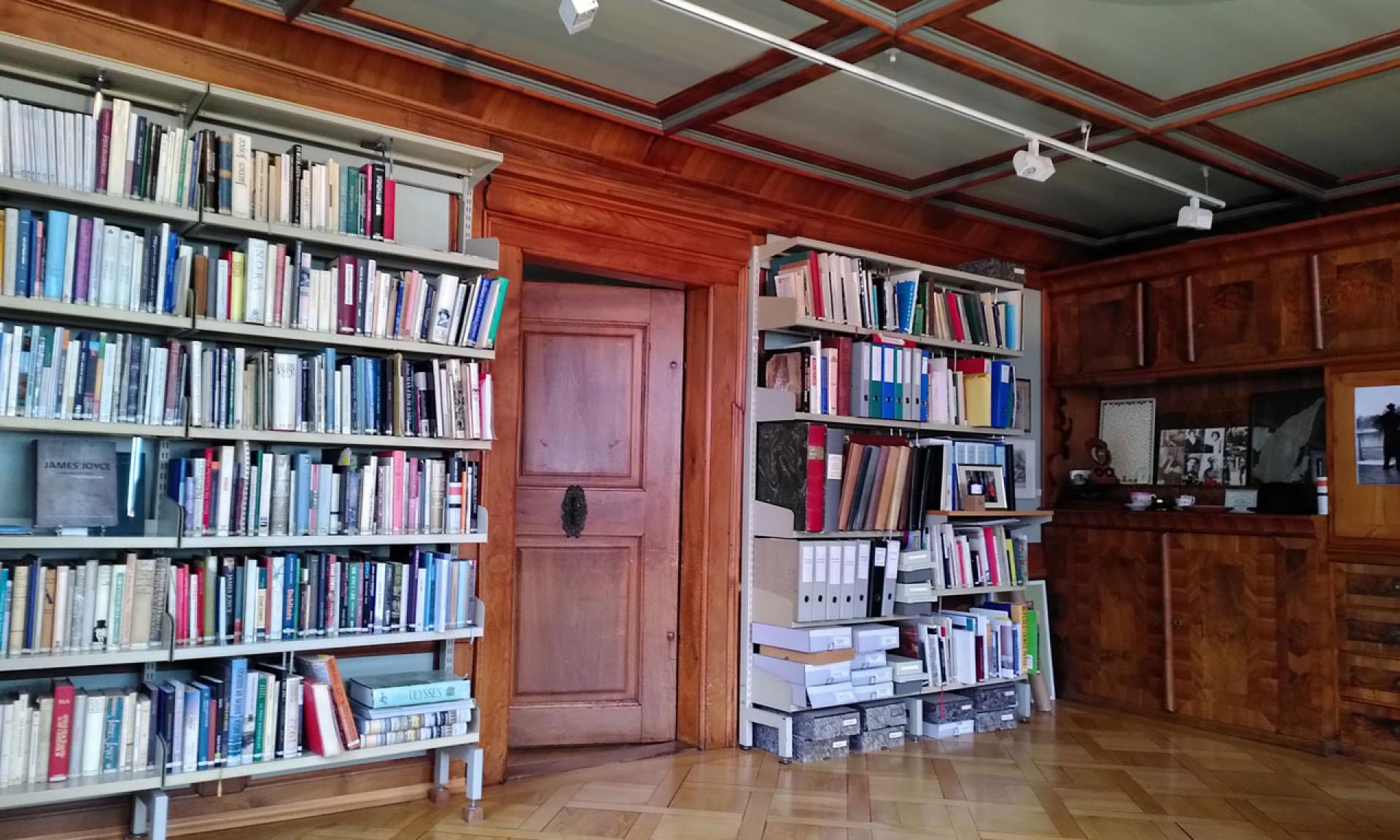
After visiting the grave, it’s a must to explore how Joyce’s presence remains alive in the city. The Zurich James Joyce Foundation, established in 1985 near the lakefront, houses a large archive of manuscripts, first editions, and critical works. Each June 16, Bloomsday turns Zurich into a satellite Dublin, complete with readings and performances.
Cabaret Voltaire: The birthplace of Dada
If Joyce represents Zurich’s modernist gravitas, Cabaret Voltaire embodies its anarchic soul. In February 1916, in the thick of World War I, a group of exiled writers and artists transformed a small tavern on Spiegelgasse in Zurich’s Old Town into a stage for the outrageous.
Here, Hugo Ball, Tristan Tzara, Hans Arp, and Emmy Hennings launched performances of nonsense poetry, shrieking music, experimental collages, masks and manifestos. They named their movement Dada, a word plucked at random from a dictionary, symbolising meaninglessness itself.
The chaos was intentional. For the Dadaists did not view art as a product; they saw it as an act of rebellion, a way to expose the insanity of war and the hollow comfort of polite society. “Dada is the heart of words,” declared Tristan Tzara, as he and his peers tore apart the rules of language, logic, and artistic form.
In neutral, open-minded Zurich, their radical experiment found sanctuary. What began as a furious response to a senseless world soon ignited a cultural revolution, one that leapt from the Swiss cabarets to Parisian studios, Berlin galleries, and New York lofts — laying the groundwork for surrealism, performance art, and the avant-garde movements that followed.
Today, Cabaret Voltaire still stands on Spiegelgasse. Visitors sip coffee beneath walls layered with collages and neon slogans. Regular readings, performances, and exhibitions keep alive the spirit of irreverence that once scandalised polite society.
A refuge for exiles: Mann, Lenin and others
Zurich’s literary identity is inseparable from its role as a sanctuary. Switzerland’s neutrality turned it into a magnet for those escaping authoritarian regimes and wartime chaos.
German novelist Thomas Mann, who later won the Nobel Prize for Buddenbrooks, spent long stretches in Switzerland, often reflecting and writing in Zurich. His brother Heinrich Mann also found refuge here. Both sharpened their political and moral arguments in exile, which led to considerable impact on their work and public lives.
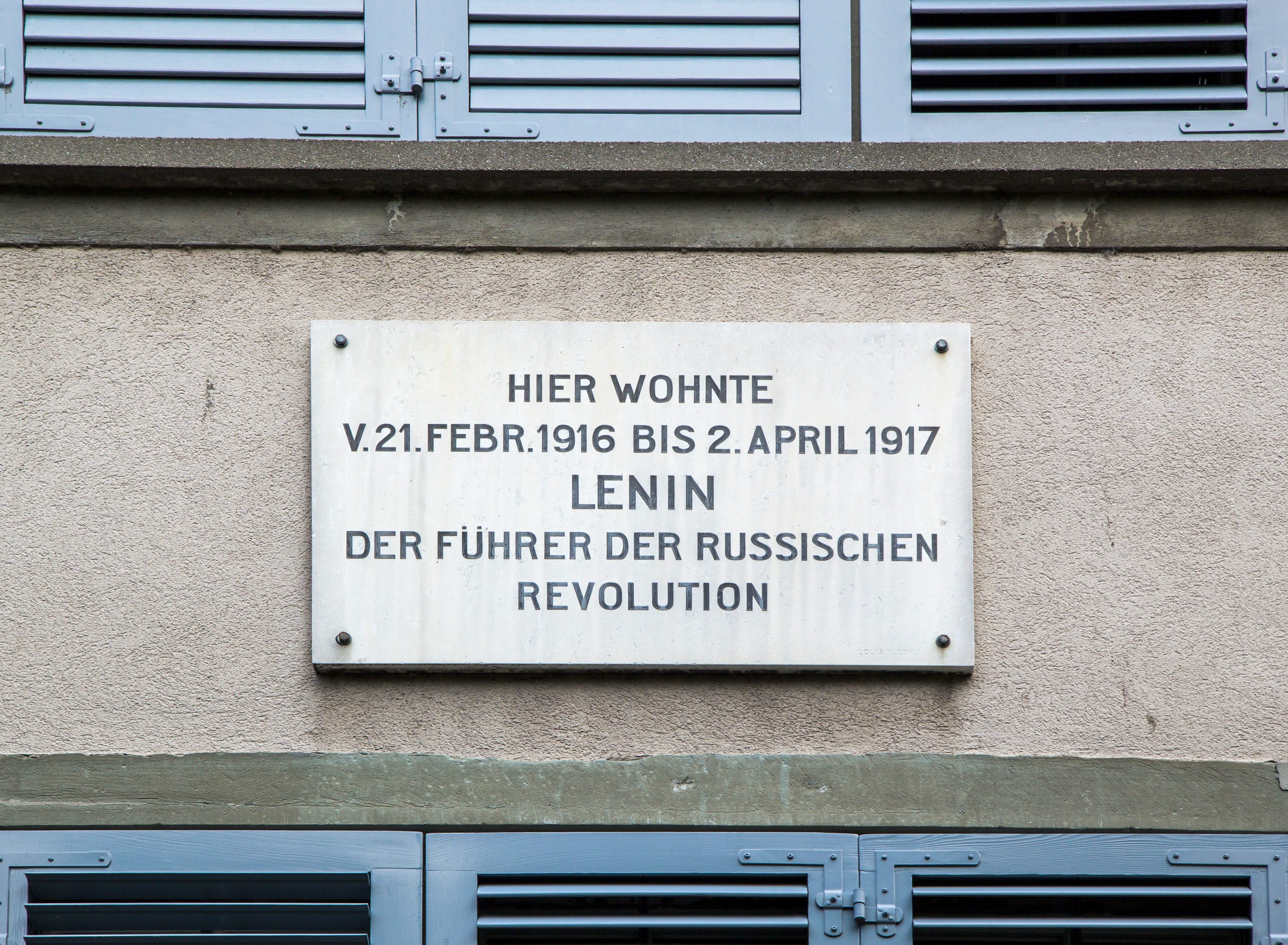
Remarkably, just a few doors from Cabaret Voltaire, Vladimir Lenin lived at 14 Spiegelgasse between 1916 and 1917, drafting the pamphlets that would ignite revolution in Russia.
The fact that Zurich could incubate both Dada’s artistic nonsense and Lenin’s revolutionary clarity says much about the city’s paradoxical role as a crucible where conflicting ideas could brew in safety – and peace.
Museums, bookshops and a living culture
But Zurich’s literary heritage isn’t sealed in archives. It continues to pulse through its museums, bookstores, and cafés.
The Strauhof Museum, tucked into the Old Town, stages imaginative exhibitions on writers who left their mark on Zurich, from Joyce to Elias Canetti. Past shows have recreated Joyce’s Zurich lodgings and mounted multimedia explorations of Kafka.
The city’s bookshops are destinations in themselves. Orell Füssli, founded in 1519, is one of Europe’s oldest book stores, spanning multiple floors and offering books in German, English, and other languages. Independent shops such as Never Stop Reading and Pile of Books cater to niche literary tastes, and stock philosophy, experimental fiction, and small press editions. Take a break at Kronenhalle, a café once frequented by Joyce, Mann, and Friedrich Dürrenmatt and now a beloved meeting place where conversations stretch over coffee and cake beneath walls hung with works by Chagall and Miró.
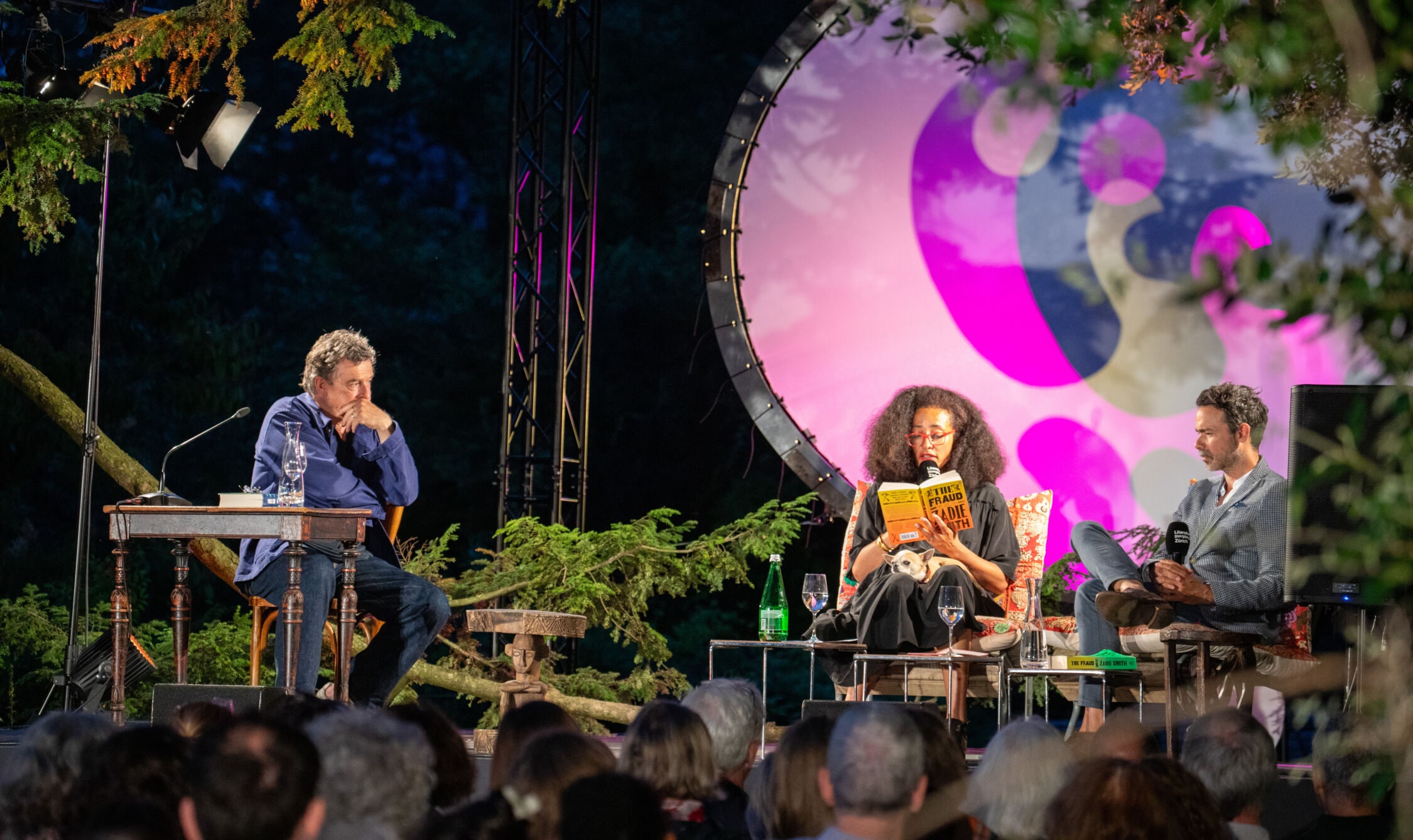
Every year, the city also hosts the Writers’ Festival, which brings international authors together for readings and conversations, and the Zurich Film Festival, which often highlights literary adaptations.
A literary walk through Zurich
Zurich’s literary heritage is best traced on foot. Begin in the medieval lanes of the Altstadt, where guild houses line the cobblestones. Stop at Spiegelgasse where Lenin drafted revolution once upon a time while next door, Hugo Ball chanted sound-poetry in absurd costume. Continue to Cabaret Voltaire, where Dada still breathes.
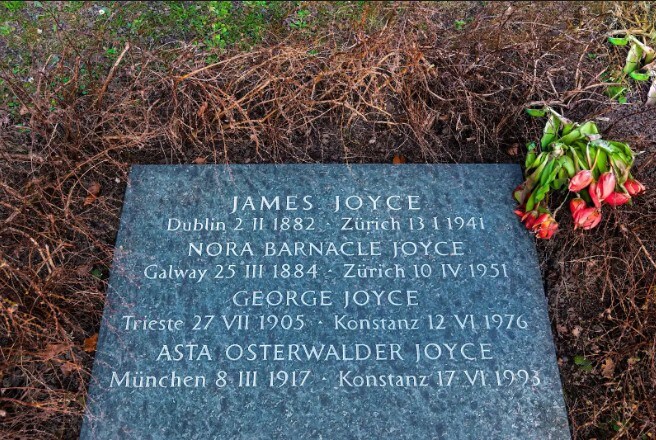
Then climb uphill to Fluntern Cemetery, where Joyce rests beneath his bronze likeness. On the way back, pause at the James Joyce Foundation. End your walk by the lakefront, settling into a café with a glass of crisp Swiss wine or a mug of hot chocolate. Open a book, and enjoy the view with Zurich’s literary ghosts keeping you company.
Zurich may be famed for its clocks, banks, clean streets, and order. But what makes it truly fascinating is the tension between that order and the ferment of experiment it has long harboured.
For the travelling reader, Zurich is not just a stopover between Paris and Vienna; it’s a chapter in world literature, one worth reading at leisure and in full.
Teja Lele is an independent editor and writes on books, travel and lifestyle.


