Thieves, criminals and the morally ambiguous have held an exalted place in the pantheon of the all time great characters in Hindi cinema. Right from Ganga Jamuna (1961) to Gangs of Wasseypur (2012) the ones who break the law have been hailed as saviors. In spite of a rich tradition of swindlers in films such as Do Chor (1972), Hera Pheri (1976), Shaan (1980) and Khel (1993) why is then that heist films never really felt at home in Bollywood?
Starting with Baazi (1951) a large number of films from not just the 1950s but also the 1960s such as Nau Do Gyrah (1957), Howrah Bridge (1958), Jewel Thief (1965), Kismet (1969) fed themselves on a diet that was tailor-made for the genre the west called caper. In India these films were so regular that no one actually categorized them even though each featured a recognizable template and common elements such great music and parallel comic tracks besides a splendid pay-off in then end. These elements found themselves at home even with the action, romance and the unnamed wholesome entertainment genre of the 1970s. Films like Johny Mera Naam, Amir Garib, Do Chor, Shreef Badmash, Hera Pheri and Hum Kissi Se Kum Nahin followed the same caper like formula but with one major change. Unlike the previous decade here the films largely mostly operated on a much bigger dramatic plotline like vendetta (Do Chor), family feud (Hera Pheri) lost and found (Johny Mera Naam) or simple thriller (Hum Kissi Se Kum Nahin). The caper aspect somewhere became secondary to the proceedings, which could explain why the caper by itself never really took off in Bollywood. In 1978 Shalimar became one of the first films that had heist at its core but its failure, a magnificent one at that, didn't help the genre.
While heist films found the going tough the caper's other cousin con-artistry got great attention. The first half of Shaan (1980) has at least three set pieces where the set-up as well as the pay-off becomes bigger with each con. Once Shaan's first-act ends it shifts gears to momentarily become a frothy comedy before finally settling for a Sholayesque crusade. The same year saw Bomaby 405 Miles (1980), arguably one of India's best caper/ heist film that, sadly, is lost to collective public memory today. Directed by Brij this breezy film featured an impressive star cast of Vinod Khanna, Shatrughan Sinha, Zeenat Aman, Amjad Khan along with Pran and managed to get most elements of a heist film bang on in the context of commercial Hindi cinema. Following the Rajesh Khanna-Tina Munim starrer Fiffty-Fiffty (1981) the decade made way for the Bachchan one-man industry films, the southern remakes or the family dramas and daku films. The high point of the genre came with Khel and although a blatant rip-off of Dirty Rotten Scoundrels Rakesh Roshan didn't let the high drama of a lost prince completely take-over the simple con artists at play theme. The 2000s saw Bollywood trade the modest caper for the more complex heist with Aankhen (2002) where a disgruntled bank manager with an anger management issue (Bachchan) tricks three blind men (Akshay Kumar, Arjun Rampal and Paresh Rawal) into robbing the very bank that fired him. A moderate success Aankhen was followed by the hugely popular Dhoom (2004) that is perhaps the closest Bollywood came to the heist as the genre was viewed globally. Then there were Bunty Aur Babli and Bluffmaster between the two Dhoom installments but for Bollywood a heist film is a heist film only when the protagonists vie for something crazily huge. In Dhoom 2 (2006) the setting was the exotic Rio De Janeiro, which suddenly made the film 'global' and in Cash (2007) the object of desire was an ancient diamond and the playfield was South Africa.
While heist films found the going tough the caper's other cousin con-artistry got great attention. The first half of Shaan (1980) has at least three set pieces where the set-up as well as the pay-off becomes bigger with each con. Once Shaan's first-act ends it shifts gears to momentarily become a frothy comedy before finally settling for a Sholayesque crusade. The same year saw Bomaby 405 Miles (1980), arguably one of India's best caper/ heist film that, sadly, is lost to collective public memory today. Directed by Brij this breezy film featured an impressive star cast of Vinod Khanna, Shatrughan Sinha, Zeenat Aman, Amjad Khan along with Pran and managed to get most elements of a heist film bang on in the context of commercial Hindi cinema. Following the Rajesh Khanna-Tina Munim starrer Fiffty-Fiffty (1981) the decade made way for the Bachchan one-man industry films, the southern remakes or the family dramas and daku films. The high point of the genre came with Khel and although a blatant rip-off of Dirty Rotten Scoundrels Rakesh Roshan didn't let the high drama of a lost prince completely take-over the simple con artists at play theme. The 2000s saw Bollywood trade the modest caper for the more complex heist with Aankhen (2002) where a disgruntled bank manager with an anger management issue (Bachchan) tricks three blind men (Akshay Kumar, Arjun Rampal and Paresh Rawal) into robbing the very bank that fired him. A moderate success Aankhen was followed by the hugely popular Dhoom (2004) that is perhaps the closest Bollywood came to the heist as the genre was viewed globally. Then there were Bunty Aur Babli and Bluffmaster between the two Dhoom installments but for Bollywood a heist film is a heist film only when the protagonists vie for something crazily huge. In Dhoom 2 (2006) the setting was the exotic Rio De Janeiro, which suddenly made the film 'global' and in Cash (2007) the object of desire was an ancient diamond and the playfield was South Africa.
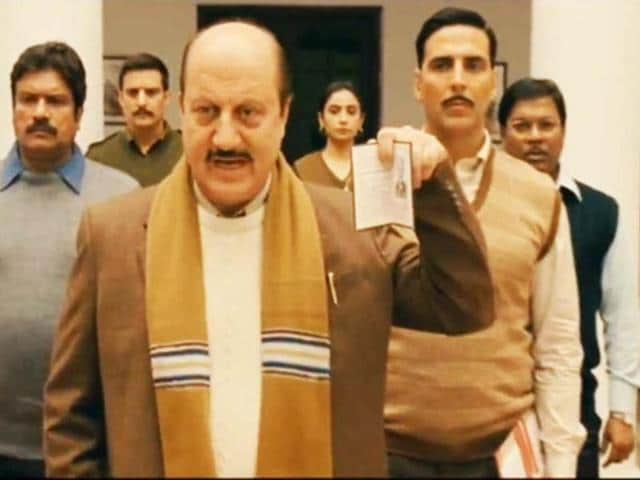
Tees Maar Khan (2010) tried to revive the interest in heist film and even had the decent enough set-up that was inspired by After the Fox. In the hands of director Farah Khan Tees Maar Khan traded everything remotely sensible in the promising premise of a conman (Akshay Kumar) orchestrating the robbery of train loaded with jewels by fooling an entire village for abject buffoonery. Then it was left to be the Burmawala brothers, Abbas-Mastan, to come up the ultimate Indian heist film. The two, who had been sneakily rehashing Hollywood hits for years, even bought the rights and officially remade the remake of the original mother of all heist films, The Italian Job but the manner in which the film tanked suggested that the genre could be jinxed for Bollywood. But all isn't lost for the desi heist. Based on a true story and in the hands of Neeraj Pandey, Special 26 looks like the film that could break Bollywood's heist hoodoo. Pandey's writing in his debut A Wednesday made it one of the more interesting films within the realm of commercial Hindi cinema and from the looks of it this real life tale of con-men posing as CBI officials who took off with jewellery worth lacs in the middle of the day seems to be the ideal platform for heist films to come of age in India.