A majority of chief financial officers from 250 companies across sectors say that the implementation of the Goods and Services Tax (GST) has had a positive impact on their business, even as they identify it as a key industry disruptor, according to a survey.
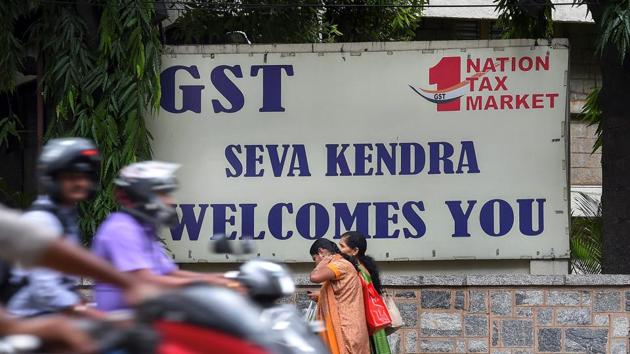
Seventy seven per cent of CFOs surveyed by financial consultancy firm Deloitte said the new tax regime had been beneficial, and 58% said that they saw an improvement in supply chain management and ease of doing business.
The CFOs identified the implementation of GST a key concern as it meant sweeping changes in business practices such as accounting, taxation, finance, legal, IT systems and supply chain.
But post-implementation, GST has made the tax filing process simpler for CFOs, said a spokesperson from Deloitte India.
GST replaces a complex indirect taxation system by subsuming a web of excise, service, sales and value-added taxes levied by the centre and state.
However, 66% of the CFOs surveyed said they noted a negative impact on working capital post-GST, and 55% noted an adverse impact on financing costs.
“A pressure to liquidate pre-GST stock, along with extensive inventory management exercises, often requiring an increase in inventory during the changeover period to GST could have led to an increase in companies’ working capital requirements,” said the Deloitte spokesperson.
{{/usCountry}}“A pressure to liquidate pre-GST stock, along with extensive inventory management exercises, often requiring an increase in inventory during the changeover period to GST could have led to an increase in companies’ working capital requirements,” said the Deloitte spokesperson.
{{/usCountry}}The respondents of Deloitte India CFO Survey comprised of CFOs from sectors ranging from consumer business,energy and resources, financial services, healthcare, manufacturing to transportation, with revenue spanning less than ₹500 crore to ₹10,000 crore.