
 E-Paper



RBI holds repo rate at 5.25% in ‘cautious balancing act’ amid Iran war
Amid the Iran war, RBI sees India's inflation rate at 4.6% in FY27, but expects India to grow faster at a real GDP growth rate of 7.6% versus 7.4% earlier.

 Prefer HTon Google


The Reserve Bank of India maintained status quo on repo rate in first monetary policy decision since the Iran war broke out, even as the announcement of a two-week ceasefire cooled crude oil prices and boosted rupee.
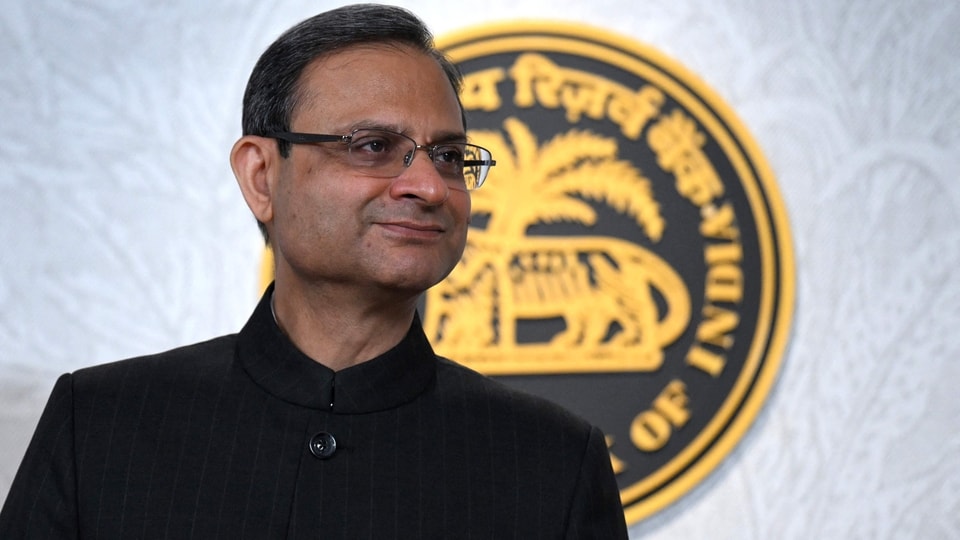
The RBI's six-member Monetary Policy Committee voted unanimously to keep the benchmark repo rate at 5.25%, matching all economist estimates in a Bloomberg survey. The policy stance was retained at neutral.
“The high-frequency indicators indicate sustained momentum and economic activity,” the RBI governor said. “The headline inflation remains contained and below central bank's target of 4%.”
Amid the Iran war, RBI now sees India's inflation rate at 4.6% in FY27 with core inflation likely to come in at 4.4%. Here's a look at the quarter-wise inflation projections by the rate-setting panel:
- Q1 FY27: 4%
- Q2 FY27: 4.4%
- Q3 FY27: 5.2%
- Q4 FY27: 4.7%
However, despite the Iran war, India is expected to grow faster at a real GDP growth rate of 7.6% versus 7.4% earlier, Malhotra said. Here's a look at the quarter-wise GDP growth estimates:
- Q1 FY27: 6.8% vs 6.9% earlier
- Q2 FY27: 6.7% vs 7% earlier
- Q3 FY27: 7%
- Q4 FY27: 7.2%
“The policy outlook (has) shifted from a ‘benign inflation–strong growth’ scenario to a more ‘cautious balancing act’,” said Radhika Rao, senior economist at DBS Bank Singapore. “The neutral stance also provides the ability to be nimble with policy shifts in case the war is more prolonged than assumed.”
The remarks on inflation indicate concern that a prolonged supply shock could evolve into a demand-driven one. This suggests that second-round effects would need to materialise before repo rate hikes become a realistic consideration.
RBI Monetary Policy amid Iran War
The status quo reflects a wait-and-see approach as Iran-US tensions weighs on India’s energy supplies and growth outlook. The rupee’s slide since the start of the Iran war has emerged as the RBI’s primary concern and drawn much of its focus in recent days.
India, which relies on West Asia for about half of its crude and most of its cooking gas, has been hit hard by the effective closure of the Strait of Hormuz. The rupee has tumbled around 7% over the past year, making it one of Asia’s worst-performing currencies.
While the central bank has so far stepped in with aggressive measures to curb speculative bets against the currency, economists said a prolonged surge in energy prices could eventually force it to raise rates.
India's Forex Reserves amid Rupee slide
India's forex reserves rose to $697.1 billion as of 3 April versus $688.06 billion as of 27 March, down from a record high of $728.49 billion in late February, primarily due to RBI intervention to stabilise the rupee.
The central bank intervenes in the forex market to curb excess volatility in the rupee. Changes in foreign currency assets are caused by the RBI's intervention as well as the appreciation or depreciation of foreign assets held in the reserves.


