E-Paper



Electric vehicles and pollution: Separating myth from reality
Electric vehicles are becoming cleaner, safer, and increasingly practical in India. With growing infrastructure and policy support, we debunk some common myths.

 Prefer HTon Google


Electric vehicles (EVs) are steadily reshaping India’s automotive landscape, but their rise has also attracted misinformation, from doubts about charging time to concerns about safety and pollution. To clear the air, here’s a fact-based Q&A that separates myth from measurable reality.
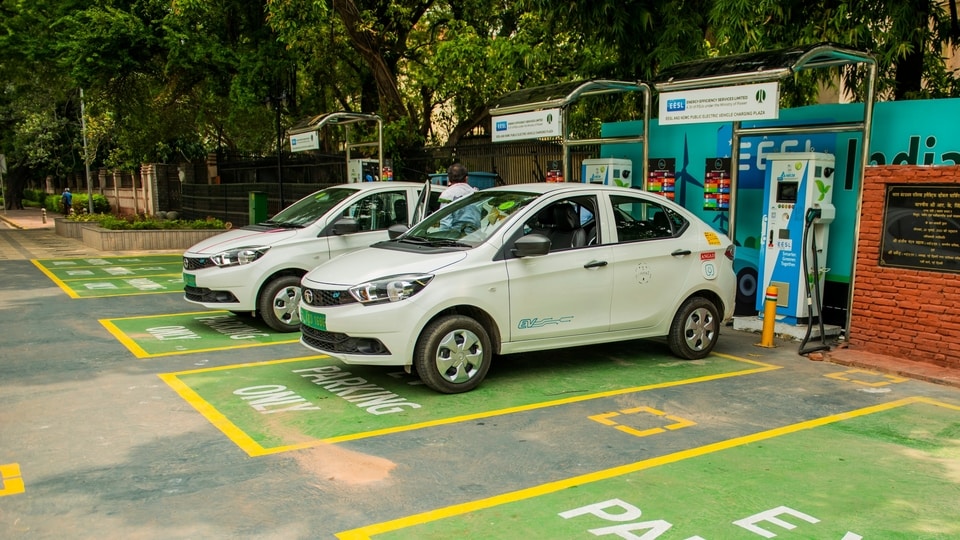
Q1: Is charging an electric vehicle really time-consuming and inconvenient?
A: Not anymore. Modern EVs support fast-charging systems capable of replenishing up to 80 per cent of battery capacity in about an hour. For everyday use, most owners charge their cars overnight using home chargers, while an expanding public charging network across major cities and highways further adds to the owners' convenience.
Q2: Do electric vehicles still have limited range?
A: That’s no longer the case. Thanks to improvements in battery efficiency, several EVs sold in India today can travel over 300 kilometres on a single charge. For longer drives, fast chargers installed along highways are helping reduce “range anxiety,” making EVs more viable for intercity travel.
Also watch: Volvo EX30 Review | A Super Practical EV
Q3: Are electric vehicles unsafe to drive in heavy rain or waterlogged areas?
A: EVs are designed to operate safely even in challenging weather. Their batteries are sealed within IP67-rated enclosures, allowing them to withstand submersion in water up to one metre deep for 30 minutes. This ensures protection against short circuits and maintains safe performance during monsoons.
Q4: Are electric vehicles too expensive for most Indian buyers?
A: Although EVs do cost more the traditional ICE vehicles, as battery production costs reduce and in-house manufacturing scales up, EVs are on track to become more affordable. In addition, government subsidies, state incentives, and tax benefits further reduce upfront prices. Lower running and maintenance costs also make EVs cheaper to own over the longer run.
(Also read: Yamaha Aerox E vs Ather 450 Apex: Design, features and specifications compared)
Q5: Is India’s charging infrastructure still inadequate?
A: The network is expanding steadily. India now hosts over 26,000 public charging stations alongside thousands of private chargers in housing societies and workplaces. Government and private-sector initiatives are pushing for chargers every few kilometres along highways, making EV ownership increasingly practical. However, not all chargers are always operational, and the country requires more chargers to be installed to satiate India's rising EV charging demands.
Q6: Isn’t the electricity used to charge EVs still polluting if it comes from coal?
A: While India’s grid still relies on fossil fuels, EVs remain cleaner overall due to higher energy efficiency and lower lifecycle emissions. The country’s energy mix is also changing, with renewables like solar and wind steadily increasing their share. Homeowners using solar panels for charging can reduce their carbon footprint even further.
Q7: Are lithium batteries and EVs inherently dangerous?
A: EVs are built with advanced battery management and thermal safety systems that significantly reduce risks. Global and Indian regulations now mandate rigorous testing and certification to prevent overheating and short circuits. Following manufacturer-recommended charging and maintenance practices ensures safe, reliable use.
Q8: Do EVs really reduce pollution overall?
A: Yes. According to data from the International Energy Agency (IEA), EVs emit 25–40 per cent less carbon dioxide across their lifetime compared to petrol or diesel vehicles, even after accounting for electricity generation and battery manufacturing. As India’s grid becomes greener, that gap will widen further.