The Covid-19 pandemic was heralded with the tinkling of bells, lighting of lamps and piping of devotional music from balconies of high-rise buildings, with an occasional talent wielding a microphone and singing, Itni shakti hamein dena daata, Mann ka vishwas kamzor ho na (Lord grant us such strength that we do not lose faith). Soon neighbourhood gossip began on who was stealing the limelight by singing well and who was all hoarse. Then the bickering started as the inspirational music came to a halt with people retreating behind the closed doors of their flats.
Inside the homes began frantic culinary feats, starting with YouTube live recipes being followed day in and day out. Festive food was cooked indoors three times a day and outside in the colonies migrant labourers threatened with hunger decided to march back hundreds of miles to their villages with some just perishing on the way. The euphoria was dying and it was time to turn inwards, looking before and after while indulging in the darkest of thoughts. Then the thin versions of newspapers had headlines announcing murders, rapes, suicides and domestic violence. As the pandemic continued to spread its tentacles, the entire nation got hooked to the death of a young film star, crying out ‘suicide or murder most foul’!
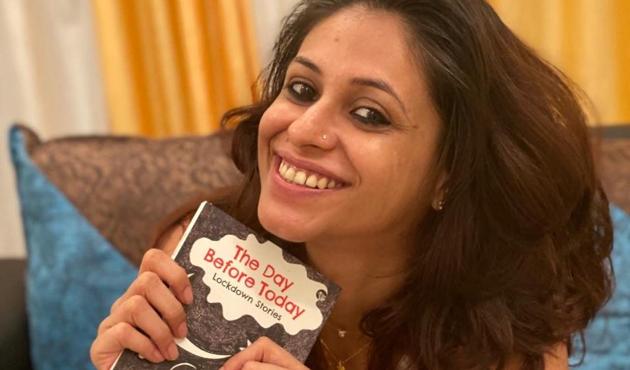
It was against such a backdrop that young scriptwriter Gayatri Gill got down to penning stories of the times when it was ‘possible to commit murder and get away with it’!
{{/usCountry}}It was against such a backdrop that young scriptwriter Gayatri Gill got down to penning stories of the times when it was ‘possible to commit murder and get away with it’!
{{/usCountry}}Storytelling in film and television scripts was a familiar task for Gayatri but in this phase she turned to literary fiction as the pall of gloom descended on the world. “I would write a story or two a week and send them to friends. We would read them and laugh at storytelling of the times we were living through. More often than not the stories were shadowy but not without dark humour”. Soon, friends were asking for more as there was time aplenty to read and somehow decode the times. So the writing continued and the result is a collection published by Speaking Tiger with some compelling illustrations by Niyati Singh.
It has earned good reviews and endorsements with writer Namita Gokhale saying, “Clever, witty, cruel, dark, dystopian, compelling: these dire stories for our times declare that the future has arrived”.
The writer looks within the dark world inside to pen these tales but also looks outside as the macabre political drama continues using parables, satire, wit and fancy as she moves on to take up gender issues as the protagonist says in the story Positive: “I tell my children that we’re in this battle together, a collective unit beating the bad guys by staying home. Sita was asked to do social distancing too you know, she was warned to not cross the lakshmanrekha but did she listen? And where did all her bravado and rebellion lead her?”
There are scenes of rape, murder, ghosts and whatnot but the writer keeps her stories anchored with gender issues, state of mental health in a world torn apart from one another but for an occasional online chat. Gayatri says, “Since childhood I loved reading crime thrillers but in these stories, in the moment between a dark thought and its execution comes the possibility to act and get away with the crime because of the absence of a witness. Of course, gender and repressed emotions are underlined because women to seem to be able to do what may not have seemed possible before!””
This collection of 15 mint-fresh stories will give many jolts to the reader as a woman doctor active in the essential services kills her husband for attempting to rape the adolescent house help after making her wear his daughter’s green swimsuit with its tiny pink paisley print. With the job done, she gets ready after a shower to report for work as the frightened help points at Sahib’s corpse. The reply is: “He won’t be any trouble anymore. We’ll deal with this day after, on my day off.”
Startling, of course, but Gayatri has a flair for telling tales and with irreverence as the time and subject demands. There will be more surprises in this eclectic mix of stories with neighbourhood Zoom parties, a ghost falling in love with the mother of a newborn, secrets of the Covid cupboard and unrequited romance in sojourns to the super market, the only outing for the day.
And all this and more is rounded off by the last story of the book, The Peach: A Modern Fairy Tale, written perhaps for her children in which the fruit becomes the motif for earth, which is ravished by its own inhabitants. Putting the book down one is tempted to hear more stories from the writer who emerged in the times of the pandemic on a truth-telling spree with a sharp, sensitive and sizzling pen.
nirudutt@gmail.com