Bengaluru’s roads are increasingly being monitored by cameras instead of traffic cops. Between January and July 2025, nearly 87 per cent of all traffic violations were recorded through contactless methods, according to data from the city’s ASTraM system.
ALSO READ | Renowned Kannada actor Raju Talikoti passes away at 62 due to heart attack: Report
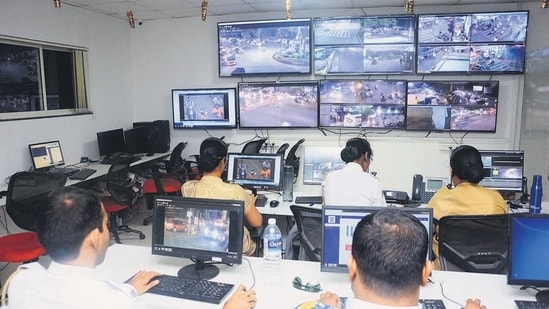
Out of more than 3 million violations during this period, about 11,800 were captured daily by AI-powered cameras, while only around 1,500 cases were booked manually each day, said a report by The Times of India. The Intelligent Traffic Management System (ITeMS), which uses smart cameras, has taken over most of the enforcement duties.
Automated systems detect violations like riding without helmets (36 per cent), pillion riders without helmets (19 per cent), not wearing seat belts (16 per cent), and signal jumping (13 per cent). Manual fines were mostly for no-entry and wrong parking, said the report.
ALSO READ | Special trains connecting Hubballi, Mangaluru, Bengaluru announced for Deepavali travel rush: Report
{{/usCountry}}ALSO READ | Special trains connecting Hubballi, Mangaluru, Bengaluru announced for Deepavali travel rush: Report
{{/usCountry}}Joint Commissioner (Traffic) Karthik Reddy said better camera coverage and public awareness had led to more violations being reported. The city now has around 75 ITeMS cameras, the report noted. The ASTraM app, which lets users report violations and view traffic updates, has also helped, but not without issues.
Users complained that the app has bugs. It doesn’t work well on the outskirts, lacks features like uploading photos from the gallery, and gives no updates on reported cases.
ALSO READ | Bengaluru billionaire recounts foreign visitor’s shock over city’s state: ‘Why are the roads so bad?’
Reddy acknowledged the flaws but said stricter rules, like needing geo-tagged and time-stamped photos, were added to make reports legally valid.
So far, traffic police have collected ₹44 lakh in fines this year, with nearly half the violations cleared. But problems like illegal parking and one-way violations still remain a challenge.
As Bengaluru adds more vehicles every month, officials say the long-term fix is expanding public transport, especially Metro and bus services.