
 E-Paper



Bengaluru among cities that faced worst air pollution in winter: Study
A study by the Centre for Science and Environment found that Bengaluru saw the fastest worsening of PM2.5 levels, and also experienced the worst peak pollution this winter in the last four years.

 Prefer HTon Google


The Centre for Science and Environment (CSE) has come out with a report analysing winter air pollution trends in five major cities across India, besides Delhi-NCR), namely, Kolkata-Howrah, Mumbai, Hyderabad, Bengaluru and Chennai.
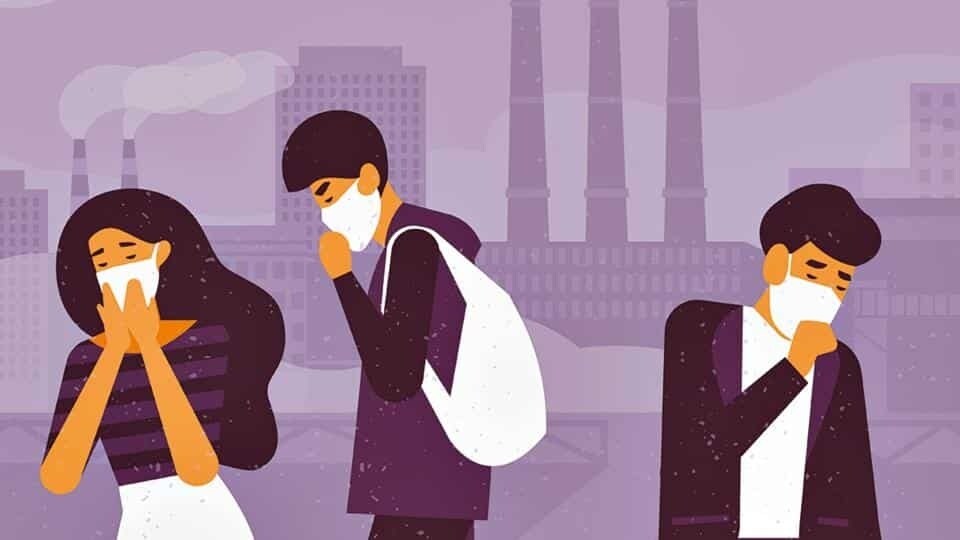
The research, published on Tuesday, found that Kolkata and Mumbai were the most polluted after Delhi, while Bengaluru and Chennai saw the fastest worsening of PM2.5 levels. Bengaluru and Hyderabad, meanwhile, experienced the worst peak pollution this winter in the last four years.
“While Delhi’s winter air quality hogs all the eyeballs, the rising winter air pollution in other mega cities including Kolkata, Mumbai, Hyderabad, Bengaluru and Chennai, does not get adequate attention," said Anumita Roychowdhury, executive director of research and advocacy, CSE.
There is a need for ramping up action to control pollution from vehicles, industry, waste, construction, and solid fuel use in households, among others, the research noted.
READ | Bengaluru gets ₹450 crore to improve city's ‘poor’ AQI
Bengaluru and Chennai had PM2.5 levels of 44 µg/m³ and 42 µg/m³, which were comfortably under the 24-hour standard, but breeched the annual standard for PM2.5. Their current winter air was 15 per cent more polluted than the average of their previous three winters, the report said.
The report also published statistics for Bengaluru's air quality: November was the worst air quality month for Bengaluru, and its daily PM2.5 level hit 152 µg/m³ on January 27, which is the highest 24-hour PM2.5 average recorded in the city since 2019. However, the Karnataka capital had the maximum number of “good” AQI days among the megacities, it added.
When the PM2.5 peak level of the past winter is compared to the average for previous three winters, Bengaluru’s performance worked out to be the worst, as its winter peak was 68 per cent higher than the average of its previous three winter peaks.
Roychowdhury called for stringent action throughout the year as well as emergency action during the bad-air days to bring down the overall pollution levels. “Efforts should focus on reducing emissions from vehicles, industry, waste burning, construction, and solid fuels in households, among others. This is also needed to meet the new target of 40 per cent reduction in particulate pollution under the National Clean Air Programme,” she said.


