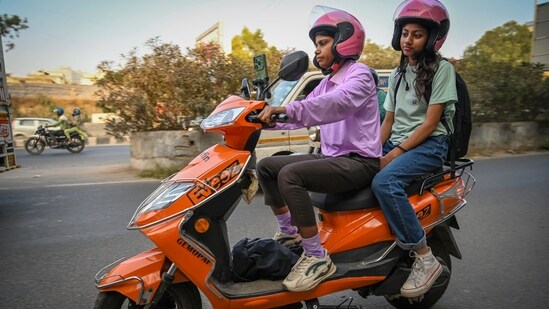
The ongoing legal battle over bike taxis in Karnataka intensified on Wednesday as women commuters joined the fray, urging the High Court to reconsider the state-wide ban. Representing their interests, a senior advocate emphasized that for many women, especially those with limited income or non-traditional work hours, bike taxis offer a crucial mix of affordability, convenience, and safety, news agency PTI reported.
READ | Bengaluru auto rickshaw fares set to rise for first time since 2021. Check new rates here: Report
The Karnataka High Court is hearing appeals from Ola, Uber, and Rapido challenging an April ruling that halted their bike-taxi services. The earlier decision, citing violations of the Motor Vehicles Act due to a lack of state guidelines under Section 93, effectively banned operations from June 16.
READ | Bike taxi ban in Karnataka: Riders hold hunger protest, write open letter to CM
In this light, the advocate highlighted that other states have taken a regulatory approach rather than imposing outright bans. She cited examples from West Bengal and Rajasthan, where safety measures like background checks and police verification are mandated. Bike taxis, with proper oversight, can be safer and more inclusive, she said, referencing a KPMG study supporting their relative safety.
{{/usCountry}}In this light, the advocate highlighted that other states have taken a regulatory approach rather than imposing outright bans. She cited examples from West Bengal and Rajasthan, where safety measures like background checks and police verification are mandated. Bike taxis, with proper oversight, can be safer and more inclusive, she said, referencing a KPMG study supporting their relative safety.
{{/usCountry}}READ | ‘Our livelihoods impacted’: Bengaluru bike taxi owners approach Karnataka HC to challenge ban
Meanwhile, Uber’s counsel criticized the ban as outdated, arguing that platforms like Uber are facilitators, not operators, and that Bengaluru’s metro covers only a fraction of the city. Bike taxis are vital for last-mile connectivity, he said, pointing to increased congestion, up 18 per cent since the ban, as a consequence.
He also dismissed women’s safety concerns as a smokescreen driven by auto-rickshaw unions trying to maintain dominance. He urged the state to create proper regulations rather than resist innovation.
(With inputs from PTI)