Bengaluru has seen a dramatic decrease in dengue cases this July, a time of year typically associated with a dengue surge in the city. Figures released by the Bruhat Bengaluru Mahanagara Palike (BBMP), the city's civic and administrative agency - indicate a remarkable 90 per cent drop from last year’s July tally, falling from over 5,000 cases in 2024 to just 518 in 2025.
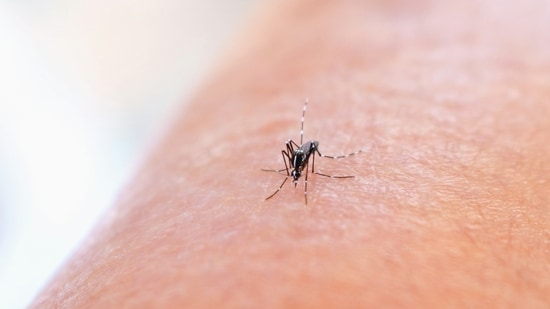
Throughout the year so far, only 1,761 dengue infections have been reported, a significant reduction compared to the 15,282 cases recorded in the first seven months of the previous year, the Bangalore Mirror reported. This steep fall is being credited to an early and aggressive public health response combined with less favourable climatic conditions for mosquito breeding.
Officials attributed the success to several factors. The city’s inconsistent weather — marked by slight temperature hikes and sporadic rainfall — has not supported mosquito proliferation. Adding to this, the BBMP launched proactive mosquito control operations early on, anticipating the need due to last year’s surge, the report noted.
The Karnataka health department, in a bid to tighten its control strategy, rolled out door-to-door surveillance campaigns ahead of the monsoon season. Teams of 700 volunteers and 240 health inspectors were deployed across neighborhoods to monitor and destroy potential breeding grounds. Schools were also roped into the movement — around 21,000 students and 15,000 teachers across over 1,300 educational institutions were educated on identifying mosquito habitats and preventing breeding, the report said.
{{/usCountry}}The Karnataka health department, in a bid to tighten its control strategy, rolled out door-to-door surveillance campaigns ahead of the monsoon season. Teams of 700 volunteers and 240 health inspectors were deployed across neighborhoods to monitor and destroy potential breeding grounds. Schools were also roped into the movement — around 21,000 students and 15,000 teachers across over 1,300 educational institutions were educated on identifying mosquito habitats and preventing breeding, the report said.
{{/usCountry}}Despite city-wide numbers declining, certain regions remained vulnerable. Mahadevapura topped the charts with 209 reported cases, followed by Bengaluru East with 109, and Bengaluru South with 82. According to the BBMP, construction-heavy zones such as Mahadevapura and East Bengaluru are at greater risk due to stagnant water at building sites — a perfect environment for mosquito breeding.
READ | Setback for Bengaluru Suburban Rail Project: L&T quits over land delays, BJP MPs slam government
To counter this, the civic body is enforcing penalties on violators who allow breeding sites to fester. Fines are being levied across the board — ₹4,000 for errant construction sites, ₹2,000 for commercial properties including offices and theatres, and ₹800 for residential offenders, the report stated.