
 E-Paper



5 die of dengue in Madhya Pradesh, over 2500 cases detected
Five people died of dengue in the past twelve days in Madhya Pradesh while 2,510 cases have been reported in the state, said health officials

 Prefer HTon Google


Five people died of dengue in the past twelve days in Madhya Pradesh while 2,510 cases have been reported in the state, said health officials.
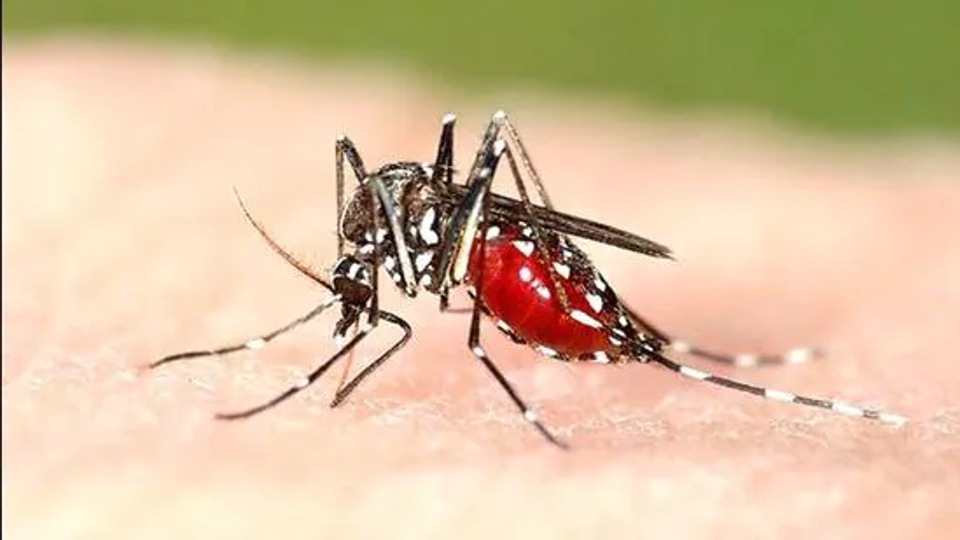
The worst affected district is Jabalpur where 399 dengue cases have been reported so far. There is a crisis of beds at the district hospital and Jabalpur Medical College as many patients of seasonal flu, malaria and chikungunya have also been admitted at the hospital, said Rakesh Pahariya, district malaria officer, Jabalpur.
Now, the district administration swung into action and started identifying the hotspot of dengue larva. “We are holding a door to door survey and also conducting fumigation to kill the larva in the district,” said Karamveer Sharma, district collector, Jabalpur.
Indore and Bhopal district administrations also swung into action to contain the breeding of Aedes Aegypti mosquitoes.
In Indore, a door-to-door sample collection drive is being done to check the presence of larva of the Aedes mosquito.
Similarly, in Bhopal, fumigation is being done in the areas where a high number of cases has been reported.
According to health experts, the symptoms of dengue-infected people are more serious. High fever and reduction of platelets are causing trouble for patients. Dr Pankaj Agrawal from Bhopal said, “High fever and sudden reduction of platelets are the reason behind the high rate of hospitalization of patients. It seems that the dengue virus also changed its variant.”
The state health department issued a warning to all district administration and municipal corporations to make necessary arrangements to kill larva and identify the hotspots.
State malaria officer Himanshu Jaiswal said, “We have sent samples to the National Institute of Virology Pune to check the variant but the report is awaited. We have given necessary directions to all the district officers to remain alert because the next two months are a favourable environment for breeding mosquitoes.”
Medical education department minister Vishwas Sarang said, “Health, district administration and municipal bodies’ officers are jointly working to contain the spread. We are also spreading awareness among people by releasing a list of Dos and Don’t. We are also appealing to people that the condition is under control in MP so there is no need to panic.”
The opposition was quick to attack the state government for failing to control the seasonal diseases.
Congress MLA Kunal Choudhary said, “MP state government failed to contain the spread of seasonal diseases. The hospitals are full and patients are lying on the floor in many districts. After Covid-19, dengue and viral diseases are claiming the lives of people in the absence of health facilities.”
Congress leaders also staged a protest on Monday in Jabalpur against the rise in cases of dengue.
(With inputs from Monika Pandey in Jabalpur)



