The Madhya Pradesh government on Wednesday deferred a drive to castrate 1.2 million bulls of the so-called nondescript variety after BJP member of Parliament from state capital Bhopal, Pragya Thakur, and leaders of the opposition Congress demanding that the move be scrapped, claiming, erroneously, that it could harm efforts to increase the population of indigenous varieties.
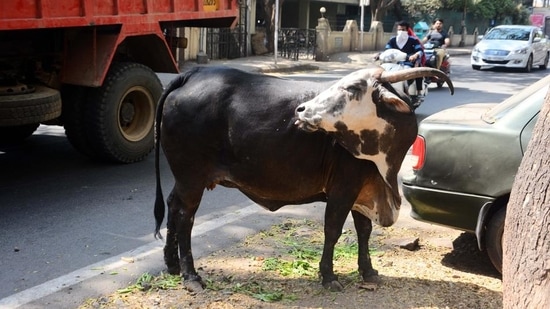
Cattle belong to non-descript breeds are not of any particular strain and the cows of this variety are usually very low producers of milk.
According to the state’s livestock count, Madhya Pradesh has 29 million bovines (18.7 million cows and 10.3 million buffaloes) , 9.73% of the total population of bovines in India in 2019. The state’s bovine population has increased by over 2.5 million since 2017. In terms of milk production , MP stands third in 2020-21 after Uttar Pradesh and Rajasthan with 17.1 million tonnes of production; it accounts for 7% of the total milk production in the country, according to the ministry of food processing.
Castration drive
According to the state, at least 2.6 million bulls were castrated over the past three years in Madhya Pradesh. However, there are still close to 4 million nondescript bulls and their population is increasing every year. The high number was behind the animal husbandry department proposing a massive castration drive.
“The reason behind poor yield of milk is that more than 80% of total population of cows belong to nondescript (not well defined breeds). When nondescript bulls mate with cows, the result is usually nondescript calves of either sex. The cows so produced give just around one litre milk per day. When farmers fail to realise the money of cow feed from milk production, they are compelled to abandon them,” said JN Kansotia, additional chief secretary animal husbandry department, MP.
{{/usCountry}}“The reason behind poor yield of milk is that more than 80% of total population of cows belong to nondescript (not well defined breeds). When nondescript bulls mate with cows, the result is usually nondescript calves of either sex. The cows so produced give just around one litre milk per day. When farmers fail to realise the money of cow feed from milk production, they are compelled to abandon them,” said JN Kansotia, additional chief secretary animal husbandry department, MP.
{{/usCountry}}To control the rising population of nondescript cattle, the department proposed a mass castration drive to be held between October 4 and 23.
Kansotia added that the department is trying to improve the quality of cows through artificial insemination but using semen of Indian breeds only. “This drive is to stop the increase of population of nondescript cattle, not to promote any foreign breed but some people misguided MP Pragya Thakur about it and we tried to explain the same to her on Wednesday,” he said. He added that the drive has been abandoned for now.
Improving milk yield of the cows is part of the central government’s programme to improve farm incomes . Niti Aayog estimated in 2017 that farm incomes can double by 2022 if income from cattle and poultry increased by at least 60%. And, for that, experts say, states need to control the rising population of nondescript bulls.
The controversy
Earlier, Thakur spoke to chief minister Shivraj Singh Chouhan protesting against the drive, calling it “an act against nature” and saying it was aimed to end the breed of Indian cows and invoked Hindu God Shiva in her claim. Shiva’s steed is the bull. “...I objected to it and talked with the chief minister that it will finish the population of many Indian breeds and promote foreign breeds.”
Thakur got support from an unlikely quarter, the opposition Congress. spokesperson Narendra Saluja said the order clearly showed that the government is against Indian breed of cows and wants to finish them off.
BJP spokesperson Rajneesh Agrawal, however, defended the government and said, “The state government takes any decision for the welfare of cows so we shouldn’t interfere in the working of the government.”