
 E-Paper



Bleach best solution for prevention of disease in flood-affected areas in Maharashtra: zoology expert
Many of these animals are an integral part of the rural lifestyle and people did not anticipate the water levels to rise above the mark of the 2005 deluge or the 1989 floods.


Adhikrao D Jadhav, professor at the Zoology department of the Shivaji University and member of Maharashtra State Biodiversity Board, spoke to Shalaka Shinde regarding the massive loss of livestock in the western Maharashtra floods. Jadhav is also a consultant for the Cuban government for agriculture and sericulture.
What is the extent of loss of livestock due to the floods?
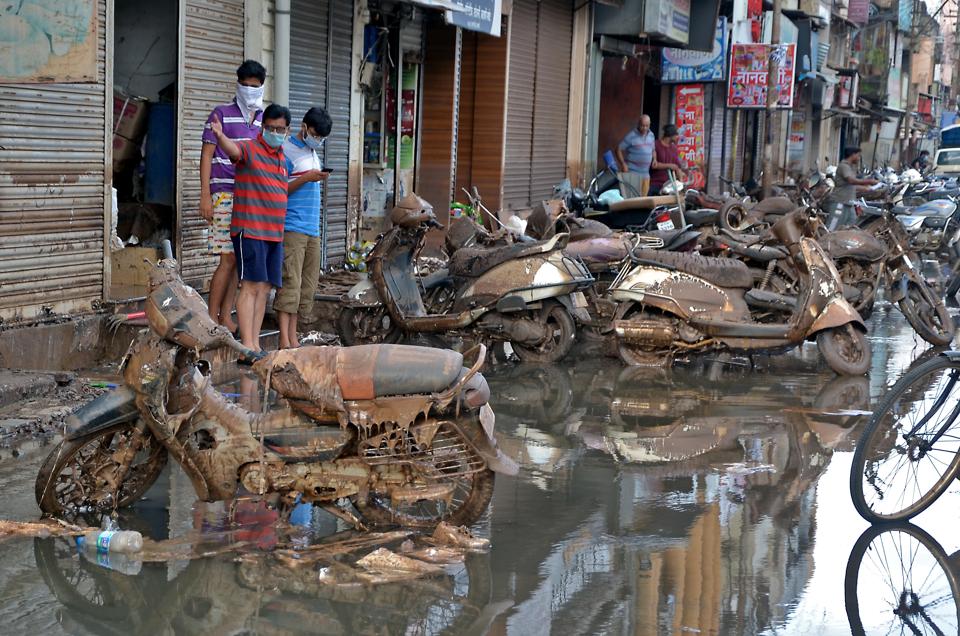
There has been a major loss of biodiversity due to these floods. A lot of animals have died or were injured in the floods, including goats, sheep, cows, buffaloes and hens along with dogs and cats in urban areas. Many of these animals are an integral part of the rural lifestyle and people did not anticipate the water levels to rise above the mark of the 2005 deluge or the 1989 floods. So, some made platforms that rose above those levels, while others took various measures to care for the animals like shifting them to the first floor or terrace of their houses, but the livestock could not survive the floods. Currently, for birds, the egg-laying season is underway, however, that too was destroyed.
What is the next step?
Disposing off the dead animals should be taken up. Providing aid and fodder to the animals alive, is also important. They should be vaccinated and their wounds should be treated.
What is the solution to deal with the stench of dead animals?
The solution to that is either chlorine or formalin. A solution of 5% bleaching powder concentration will help in preventing and spreading of disease-carrying virus/bacteria. This (bleach) is the world’s cheapest disinfectant. There are limitations to using formalin - 10% concentration is very effective in stopping the decaying of the dead body and makes it stiff. Considering the availability and cost in the region, bleaching is the best solution. If the concentration is kept at levels mentioned, then, it has negligible side effects.

How readily can this solution be made available?
There are various kinds of chlorinated lime or sodium hypochlorite available in the market. Commercially available general bleach is known to have a concentration of 30% chlorine. Some commercially available sodium chlorite has 17% concentration of chlorine. Bleach - is the next best step available at the gram panchayat level. In rural areas, the water storage authorities are known to have bleach stock. However, if their stock has also come in contact with water, the chlorine content may have disappeared. It is necessary to have fresh packets as chlorine is the disinfectant component.
What is the cost of bleach?
It costs as low as ₹15-20 per kilo. A hand sanitiser of 50ml will cost around ₹50-70, but 40-50 grammes of bleaching powder in one litre water will give you an equally effective disinfectant. One kilogramme of bleach will give you 25 litres of bleach solution. This can be used for washing hands, house floors, walls, feet, among other things. It can also be put in big pumps and tankers and sprinkled all over to avoid stench and spread of diseases.


