
 E-Paper



Chandigarh: Soaring veggie prices cool down as supply stabilises
The floods in Punjab and Haryana had severely disrupted supplies to the city, pushing up prices across the board

 Prefer HTon Google


After nearly three weeks of spiraling costs, Chandigarh residents are finally getting some respite as vegetable prices show signs of cooling down.
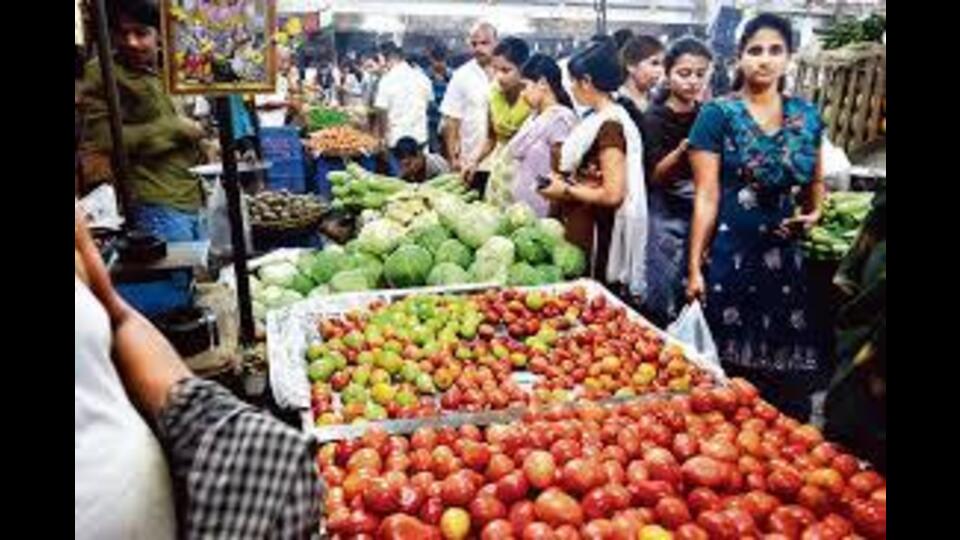
The floods in Punjab and Haryana had severely disrupted supplies to the city, pushing up prices across the board. With routes reopening and supply chains stabilising, Apni Mandis in Chandigarh reported a marginal decline in rates this week.
Tomato prices, which had shot up to ₹60 per kg on September 3, have now dropped to ₹40 per kg in the wholesale mandis. In retail markets, the situation was even worse in the beginning of September, with standard tomatoes selling for ₹80 per kg and premium quality nearing ₹100 per kg.
Other vegetables are also showing a downward trend. Capsicum, which was selling for ₹120 per kg earlier this month, is now available for ₹100. Similarly, cauliflower rate declined from ₹120 to ₹70, bottle gourd from ₹70 to ₹50, lady finger from ₹80 to ₹60 and brinjal from ₹60 to ₹50. Lemon prices eased from ₹100 to ₹80 per kg. Garlic, however, continues to remain steep at ₹100 per kg.
Explaining the fluctuations, Komal Sharma, in-charge of Apni Mandi, Punjab Mandi Board, said, “Floods severely affected local produce in Punjab, Haryana and Himachal Pradesh. For weeks, vegetables were being brought in from Uttar Pradesh, Bangalore and Delhi, which raised costs due to transportation. Now that local routes are opening and supplies are stabilising, prices have started to decline and will likely ease further in coming days. Though vegetables are still being supplied from neighbouring states, easier supply has lowered the costs.”
Tomatoes, usually sourced from Punjab, had already faced supply shock due to strong winds and an extreme heatwave, which hurt production and lowered quality. With fields battered by floods and labour availability shrinking, the situation has worsened.


