
 E-Paper



Women 3x more likely to develop gallbladder cancer: PGIMER experts
In North India, the crisis is particularly acute, with incidence rates among women reaching 21 per lakh, compared to fewer than 10 per lakh in men.


India remains the global capital for gallbladder cancer, with the disease disproportionately striking women at three to four times the rate of men.
In North India, the crisis is particularly acute, with incidence rates among women reaching 21 per lakh, compared to fewer than 10 per lakh in men.
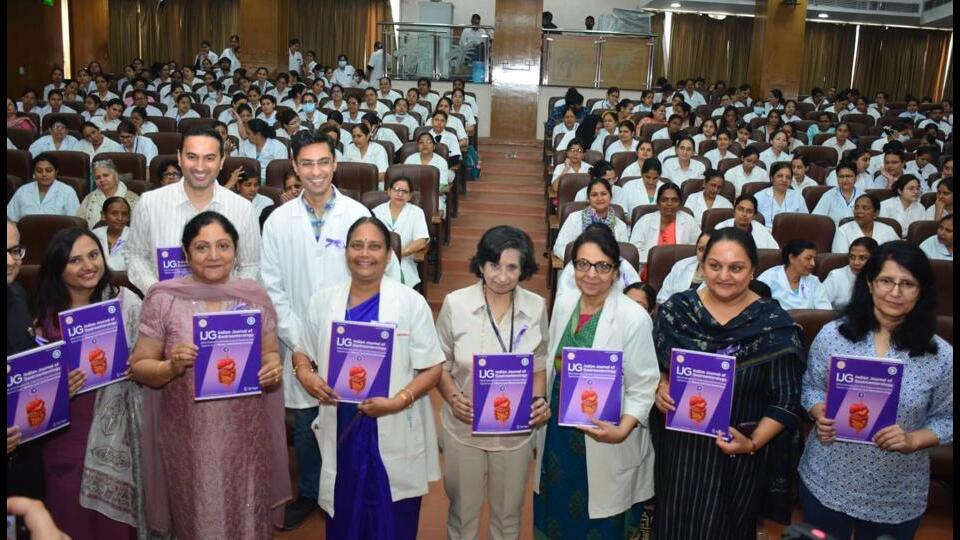
These alarming figures were highlighted by faculty at the Post Graduate Institute of Medical Education and Research (PGIMER) during a Women’s Day session on female health. The event also marked the release of a special issue on ‘Women and Gastroenterology’ by the Indian Journal of Gastroenterology.
Hormonal link, gallstone risk
Dr Usha Dutta, the head of gastroenterology at PGIMER, noted that roughly 80% of gallbladder cancer cases stem from gallstones. While not every patient with stones will develop malignancy, the transition typically occurs over a 10-to-20-year period, making early management critical.
“Women are at significantly higher risk for gallstones and gallbladder stasis due to fluctuations in estrogen and progesterone levels,” Dr Dutta said. Risk factors peak during pregnancy, the use of oral contraceptives, or while undergoing hormone replacement therapy.
Early detection, preventive care
Experts urged patients experiencing abdominal pain, bloating, or heaviness after meals to seek an ultrasound. If stones are symptomatic (causing pain), surgical removal of the gallbladder is generally advised. For asymptomatic silent stones, regular follow-ups are essential.
The session also touched upon broader female health concerns with Dr Rashmi Bagga of the obstetrics and gynaecology department advocating for the HPV vaccine among young girls to combat cervical cancer, India’s second most common female cancer.
Talking about breast cancer awareness, Dr Divya Dahiya (general surgery) emphasised the necessity of monthly self-examinations to detect lumps or skin changes early.
Dr Sadhna Lal (paediatric gastroenterology) announced that PGIMER is initiating regular health screenings for its female sanitation and hospital attendant staff to bridge the gap in healthcare access.


