World Suicide Prevention Day (WSPD) is observed on September 10 every year to raise awareness about suicides and prevent them.
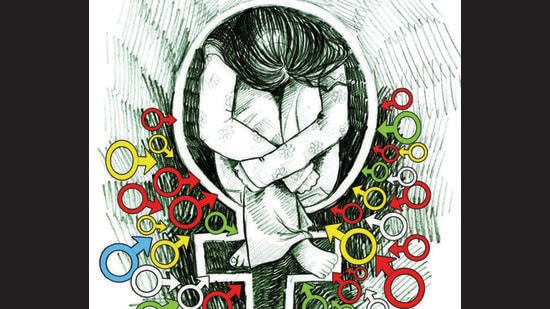
As per World Health Organization records, one person dies by suicide every 40 seconds.
“It is the most common cause of death for people between 15-38 years of age. The rate of suicide attempts tends to be two-three times higher in women than men,” says Dr Rupesh Chaudhary, professor of the department of psychiatry, DMCH.
Dr Chaudhary says that suicide prevention has become very important as the number of suicide attempts has gone up amid the Covid-19 pandemic.
During the Covid-19 pandemic and the subsequent lockdown, the suicidal tendency among schoolchildren also rose significantly. A student dies by suicide every hour in India, as highlighted in the Indian Journal of Psychological Medicine 2021.
“They experience emotional trauma due to prolonged confinement, a hostile home environment, lack of interaction with friends and teachers, study-related pressure, lack of appropriate facility to attend online classes, a financial crisis in the family, overuse of social media, fear of contagion, parental pressure, domestic violence, and substance abuse,” Dr Chaudhary adds.
He further stated that suicides can be prevented if everyone learns the warning signs such as if a person is threatening to hurt or kill themselves or talking about wanting to die or is looking for ways to kill themselves or seeking access to weapons or other lethal items or appears to be hopeless or is in a rage or seeking revenge or is acting reckless or talks about feeling trapped or is withdrawing from friends, family, and society or is getting anxious and is unable to fall asleep or has dramatic mood shifts.
{{/usCountry}}He further stated that suicides can be prevented if everyone learns the warning signs such as if a person is threatening to hurt or kill themselves or talking about wanting to die or is looking for ways to kill themselves or seeking access to weapons or other lethal items or appears to be hopeless or is in a rage or seeking revenge or is acting reckless or talks about feeling trapped or is withdrawing from friends, family, and society or is getting anxious and is unable to fall asleep or has dramatic mood shifts.
{{/usCountry}}The doctor says that the concerned person should directly be asked if he is getting suicidal thoughts, should be listened to without judgment, should be responded to with kindness and care and taken seriously, and should be supported during the transition from crisis to recovery.
To prevent such thoughts, one must practice self-care, make time for friends and family, engage in social activities, engage in activities that one enjoys, eat healthy food, get enough sleep, set a bedtime, meditate, do some light stretching, listen to soothing music, take a hot shower and exercise.
If under stress, one must reach out to family and friends whom one trusts, call a helpline, see a professional therapist, read others’ stories of hope and recovery, and/or join a support group.