E-Paper



Despite ban on sale, transportation, no check on soaring prices of dry fodder in Haryana
Even as may district administrations in Haryana have banned sale and transportation of dry fodder, there is no check on the soaring prices of wheat fodder

 Prefer HTon Google


Even as may district administrations in Haryana have banned sale and transportation of dry fodder, there is no check on the soaring prices of wheat fodder.
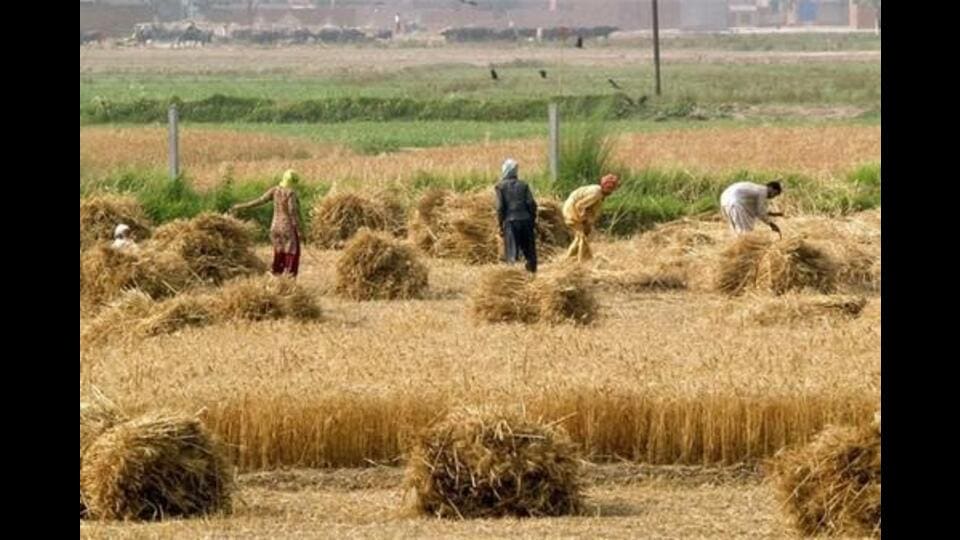
In the written orders, deputy commissioners said the ban had been imposed to avoid sale of dry fodder to brick kilns and cardboard factories to check further rise in prices.
But ground reports suggest that the government’s decision did not yield any result as over 90% wheat has already been harvested and most farmers have already sold the fodder as well.
Traders, farmers and dairy farmers said fodder is now being sold at ₹900-1,000 per quintal in the open market while farmers are selling it to traders at the fixed price of ₹14,000-17,000 per acre.
The prices jumped from ₹600 to ₹700 per quintal in the past two weeks when harvest was at its peak. Fodder traders are expecting the prices of fodder to reach near the wheat MSP of ₹2,015 in the next couple of months.
On reasons behind the spike in fodder prices, trader Jai Ram said, “Many factors are leading to unprecedented increase in wheat fodder prices. Prices of fodder had increased in December last year and this year, area under wheat declined and later, rain damaged standing crop on thousands of acres.”
“Since prices of fodder has gone up to ₹800-1,000 per quintal during the harvesting season, there is a strong possibility that the prices will double and touch ₹2,000 after the rainy season when the demand will increase further,” he added.
Traders said fodder is not being sold to brick kilns as at this price, it is not affordable for them. They prefer to purchase mustard straw which costs just ₹300 per quintal.
Dairy farmers, especially those dependent on selling milk in rural areas, are bearing the brunt and are unable to buy fodder due to the price rise.
“Last year, I purchased wheat fodder for three acre at ₹7,000 per acre but this year, I got fodder of only one acre at ₹14,700,” said dairy farmer Suresh Pal, of Kurukshetra’s Ladwa town.
Following reports of ban on fodder sale, Haryana BJP MP from Bhiwani-Mahendergarh, Dharambir Singh, wrote to Haryana chief minister Manohar Lal Khattar demanding ban on sale and transportation of wheat fodder outside districts should be revoked and vehicles taking fodder to gaushalas should not be stopped to avoid fodder crisis in gaushalas in non-wheat growing areas.
As per dairy farmers, wheat fodder is being considered best dry feed for animals due to its rich nutritional values.
Most dairy farmers and gaushalas generally purchase wheat fodder directly from farmers during harvesting season and store the stock for one year as it can be used till the next harvest season, reducing dependency on green fodder.
Paddy straw is another alternative but increase in area under Parmal varieties of paddy in the past two years has led to fodder crisis as farmers are unable to get paddy straw, leading to dependency on wheat fodder.