
 E-Paper



Er Rashid advocates for meaningful dialogue
In the Parliament, MP Er Rashid described himself as a “victim of state terrorism,” highlighting that he has spent the last seven years in Jail


Member of Parliament from Baramulla, Engineer Rashid, on Tuesday raised questions on justice, internal conflicts and the government’s approach towards Jammu and Kashmir, while calling for meaningful political dialogue.
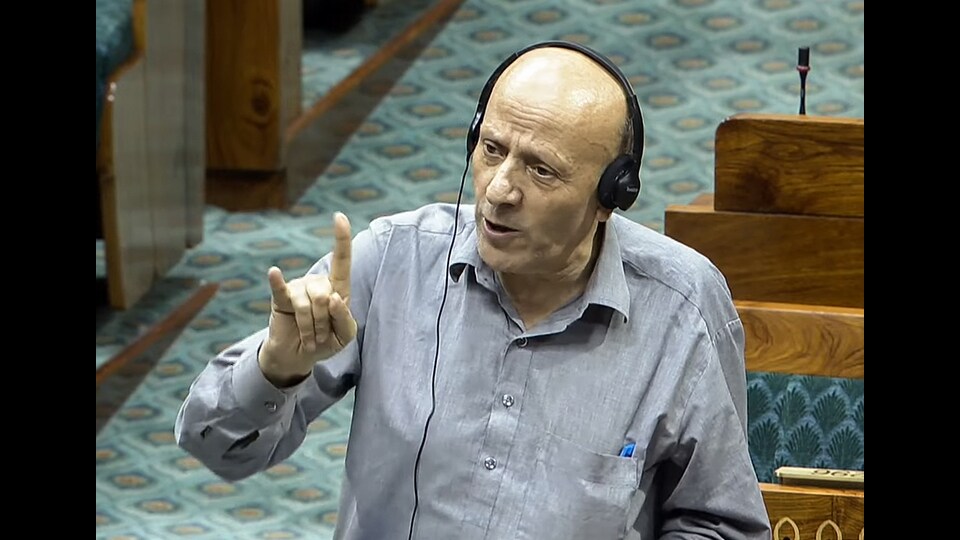
In the Parliament, MP Er Rashid described himself as a “victim of state terrorism,” highlighting that he has spent the last seven years in Jail. “A country of 140 crore people like India rightfully deserves permanent membership in the United Nations, but such a position must be backed by justice within,” he said, adding that internal conflicts like Naxalism, militancy, and systemic injustices must be resolved for India to truly claim that stature.
While referring to the government’s stated deadline of March 31 to eliminate Naxalism, MP Er Rashid welcomed the debate but made a critical distinction and said that the “Naxals and Naxalism are two different things, militants and militancy are two different things. While individuals can be eliminated, the ideology cannot be defeated unless its root causes are addressed.”
He acknowledged reports of around 10,000 militants surrendering and appreciated peace agreements in regions like Assam and Nagaland, including talks with the National Socialist Council of Nagaland and arrangements in Bodo areas. He also noted ongoing discussions in Ladakh. However, he questioned why similar political engagement has not been extended to Jammu and Kashmir.
“My request is that you talk everywhere, but when will you talk to the people of Jammu and Kashmir?” Er Rashid said and made it clear that he was not pleading for personal engagement but raising a broader political concern.
He said that there are two dimensions of J&K, the external and the internal. “On the external front, it lies with the government of India, expressing hope that Pakistan would stop supporting violence and allow people in the region to live peacefully after decades of violence and loss of lives. On the internal dimension, despite democratic processes and elections, political decisions taken over time have deepened alienation,” he said while He referring to past developments and alleged that actions by the state pushed certain sections towards extremism.
Referring to the events of August 5, 2019, he criticized the abrogation of Article 370, calling it a forced constitutional change. He also questioned the detention of several mainstream leaders including Farooq Abdullah and Omar Abdullah under the Public Safety Act, where they were initially accused of serious links but later released and asked government what deal or negotiation has been done the with them against their release.


