
 E-Paper



Face masks are back in Jammu & Kashmir as Covid-19 cases are at 5-month high
District disaster management authorities in Srinagar, Jammu, Bandipora and Ganderbal have made the face masks and social distancing norms mandatory at public places


With Covid-19 cases increasing steadily in Jammu and Kashmir, the rule of face masks in public places has been reintroduced by authorities in many districts, including in the twin capitals of Jammu and Srinagar. However, the doctors’ association of Kashmir has urged people not to panic given the low case count and few hospitalisations.
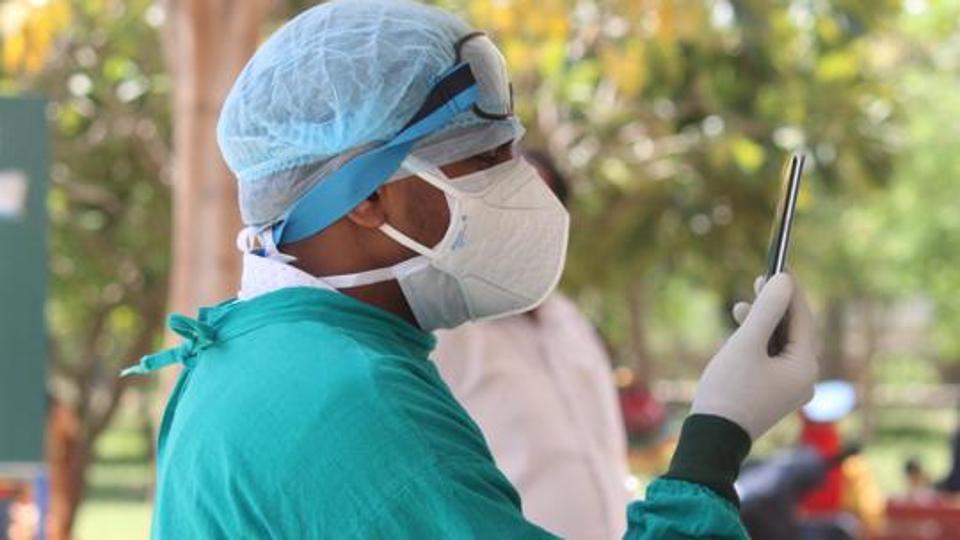
The Union Territory on Tuesday recorded 333 coronavirus infections, the highest in over five months.
In July 13-19 week, the infections doubled to 1,366 from 676 from the week earlier. The active caseload crossed 1,400 on July 19 in the UT from 60 in the first week of June. Most of these active cases are in Jammu (640) and Srinagar (464). Five deaths have been reported this month – all in Jammu.
As the cases surge, district disaster management authorities in Srinagar, Jammu, Bandipora and Ganderbal have made the face masks and social distancing norms mandatory at public places.
“For the past few days, there has been a spike in Covid-19 cases. We need to be more cautious in view of the spike and indulge in Covid-19 appropriate behaviour. After facing a number of Covid waves, everybody now knows about the precautions,” deputy commissioner of Srinagar, Aijaz Asad, told media persons on Wednesday.
Also Read:Face masks affect how kids understand speech differently from adults: Research
“People should wear masks in public places to protect themselves as the cases are increasing,” he said.
Anvy Lavasa, chairman of the disaster management authority in Jammu, also advised colleges, schools, multiplexes, hotels and banks to adhere to the guidelines and advisories.
“All district and sectoral officers shall ensure usage of face masks by all officers and officials in their respective offices,” she said in the order.
Doctors Association of Kashmir (DAK) president and influenza expert Nisar ul Hassan on Sunday said that early in the pandemic, the daily case count was used as a metric because at that point, rise in cases inevitably led to increase in hospitalisations and deaths.
“But that has changed now,” he said, adding that with widespread immunity in the general population due to vaccination and natural resistance, most of the cases are mild and do not require hospitalisation.
“It is time for us to stop worrying about cases. Relying on case numbers as the metric to decide mitigations will trap us forever,” he said.
Nisar said Covid-19 has entered into an endemic stage, and the rise and fall in cases is going to be a routine process.
“It has become yet another infection joining many other diseases that we have learned to live with,” he said.


