
 E-Paper



Haryana assembly polls: Nuh’s first woman candidate takes on veterans
The Haryana assembly polls are slated to be held on October 5 and results for the same will be declared on October 8

 Prefer HTon Google


Hot seat: Nuh
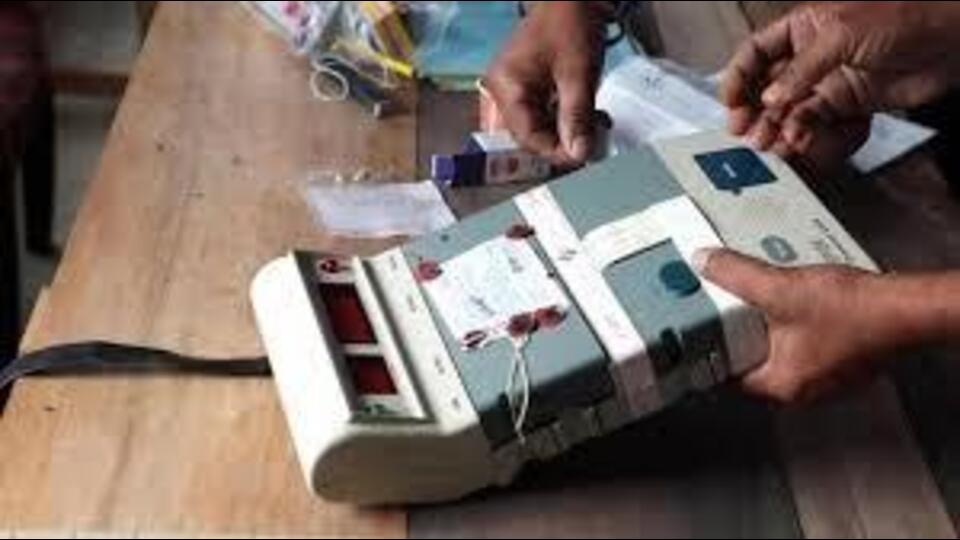
In this Muslim majority constituency, considered to be one of India’s most underdeveloped areas, Aam Aadmi Party (AAP)’s Rabia Kidwai has won at least one battle -- the one against gender bias, becoming the first woman candidate the assembly constituency has seen. Up against her are seasoned players -- Congress’ Aftab Ahmed and Indian National Lok Dal (INLD)’s Tahir Hussain who hold a lot of sway among the locals.
A promise of hope
Kidwai, a 34-year-old businesswoman from Gurugram, comes from a prominent political lineage as the granddaughter of Akhlaq Ur Rehman Kidwai, the 13th Governor of Haryana, known for his development work in the region, including the establishment of Shaheed Hasan Khan Mewati Medical College.
She is banking on this familial connection as she faces an electorate historically loyal to local political figures.
“People here are frustrated with years of neglect. I will bridge the gap between the government and the people, offering a new beginning with development as my core focus.”
She acknowledges the challenges but emphasises that both men and women are supporting her, driven by a desire for change, particularly after the Nuh riots, which left many feeling abandoned by the political class.
“People here have endured enough—whether it was during the Nuh riots, the cruelty of cow vigilantes, or being tagged as cyber criminals. It’s time we rewrite Nuh’s story with development and inclusiveness,” she says.
Kidwai’s five guarantees, modelled on AAP’s successes in Delhi and Punjab, have found appeal among younger voters, especially as she speaks about improving employment opportunities and pushing for better healthcare and educational facilities. However, her status as an outsider has also drawn criticism. Local rivals argue that despite her familial ties to Nuh, her upbringing and career in Gurugram might distance her from the concerns of everyday residents.
On the other hand, seasoned politicians like Aftab Ahmed of the Congress, who served two terms as the MLA from Nuh, and BJP’s Sanjay Singh, bring years of experience and established voter bases to the table.
Aftab Ahmed: The experience factor
Ahmed, the incumbent, is known for his accessibility and deep-rooted connections in Nuh. He is counting on his long-standing relationship with the community to retain his seat. “People know me and the work I have done over the years. Nuh needs consistent efforts, and I have always been accessible to my constituents,” said Ahmed.
However, Ahmed faces criticism for the slow pace of development. Issues like unemployment, poor infrastructure, and erratic water supply continue to plague the district, and his challengers are quick to point out that progress has not matched the expectations set during his tenure.
Formidable opponents
Meanwhile, BJP’s Sanjay Singh has focused his campaign on bringing infrastructure projects and a tough stance on law-and-order, seeking to overcome the party’s weak traditional base in this Muslim-majority region.
Tahir Hussain from the INLD-BSP alliance and JJP’s Birender add further complexity to the race. Hussain has called for a return to basics, focusing on agricultural reforms and minority rights, while Birender’s focus on youth employment and small-scale industries resonates with a specific section of voters.
Anil Arya, a political expert said that Kidwai stands to gain significant momentum from her grandfather A.R. Kidwai’s legacy. “The main competition in Nuh is between Aftab Ahmed and Tahir Hussain, both strong candidates with deep-rooted family connections. Sanjay Singh is trying to make it a triangular fight, but the BJP’s base in this region remains weak. AAP doesn’t have a strong footing in Nuh, and Rabia Kidwai’s background alone won’t give her much advantage because she isn’t well-known in the Mewat area. Aftab and Tahir are both family rivals, and their established presence makes this contest especially tough for any outsider like Rabia,” he said.
The issues at stake
The upcoming election is particularly charged due to the pressing issues Nuh faces. Chronic water shortages, dilapidated infrastructure, lack of healthcare facilities, and a high unemployment rate dominate the political discourse. Additionally, the district’s experience with communal tensions and the rise of cow vigilante groups has left many residents feeling marginalised.
Voter sentiment
Voters are torn between old loyalties and the desire for change. Many in the district, especially women, are rallying behind Kidwai. “We have been let down repeatedly. Maybe a woman will bring the change we need,” said Meher, a resident of Nuh.
Others remain skeptical. “Aftab Ahmed has been slow, but at least we know him. Rabia Kidwai might not understand our local problems as well,” said Aslam, a farmer in the region.
With the election fast approaching, the race in Nuh remains one of the most exciting and unpredictable in Haryana. Rabia Kidwai’s promises of change and her family’s legacy give her an edge as the first woman candidate, but seasoned political veterans like Aftab Ahmed and Sanjay Singh are formidable opponents. As the electorate seeks tangible development and a new direction, the outcome of this contest will set the stage for Nuh’s future.
Amina Begun, a schoolteacher from Nuh town said, “Rabia Kidwai is exactly what Nuh needs. She brings a fresh perspective, and as a woman, she understands the struggles we face every day. Her plans for better education and healthcare resonate with us, and I believe she is the only one who can deliver the change we’ve been waiting for.”
Zahid Khan, a shopkeeper from Nuh, says, “The old politicians have had their chance, and nothing has improved. Rabia is different—she is young, driven, and comes from a family that has already contributed to our district. I see hope in her promises, especially for creating jobs and improving our infrastructure. It is time we give someone new a chance.”


