The lockdown period and being in quarantine were associated with significantly higher rates of psychiatric morbidity, especially anxiety, a study by the Post Graduate Institute of Medical Education and Research has stated, stressing the requirement to address the psychological needs of people.
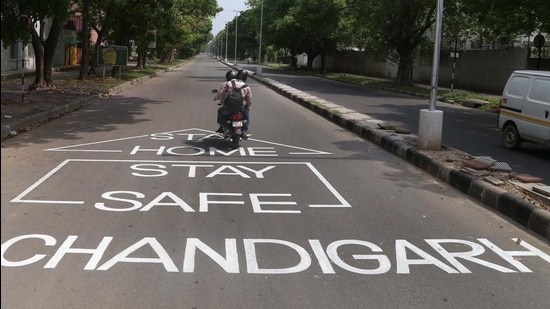
In the study that appeared in the Journal of Neurosciences in Rural Practise on January 29, researchers said that there was a need to develop self-help groups and counselling manuals that could be used even by under-trained people to address the psychological needs of the public at large.
The aim of the study was to evaluate psychological distress among persons in quarantine and compare the same with a group of persons who were in the lockdown in the early days of the pandemic.
For the scope of the study, 44 persons in quarantine and 45 in lockdown were evaluated on the depression anxiety stress scale.
Being in quarantine worse, psychologically
About three-fourths (77.3%) of the participants in the quarantine group and one-third (37.8%) in the comparator group had depression, while one-fourth (22.7%) in the quarantine group and one-third (35.6%) in the lockdown group had anxiety.
In terms of severity, in the quarantine group, half of the participants reported moderate levels of depression, and 6.8% reported severe depression. In terms of anxiety, more than 90% reported at least a moderate level of anxiety, with nearly 60% having severe to extremely severe anxiety.
{{/usCountry}}In terms of severity, in the quarantine group, half of the participants reported moderate levels of depression, and 6.8% reported severe depression. In terms of anxiety, more than 90% reported at least a moderate level of anxiety, with nearly 60% having severe to extremely severe anxiety.
{{/usCountry}}“When these prevalence rates for both groups are compared with the data reported for the National Mental Health Survey 2019, it can be said that the prevalence rates among those under quarantine are significantly higher than the general population,” the study claimed.
However, the sample size of this study is small and does not take into account other variables that can influence the findings, such as knowledge and attitude toward Covid-19, social support, history of physical or psychological disorders in the past, and cultural aspects.
The higher prevalence of psychological morbidity could be attributed to confinement at one place. Additional factors that possibly contribute to psychological distress include isolation, stigma, fear of the unknown, and fear of death, the study said.