
 E-Paper



Ludhiana: ‘Visually impaired students struggle without Braille books, audio content’
Activist alleges colleges failing disability norms. Lack of accessible study material, assistive tools and scribes flagged despite legal provisions


A city-based activist has alleged that visually impaired students in Punjab’s colleges continue to face serious hurdles in accessing education despite clear provisions, with basic facilities still missing.
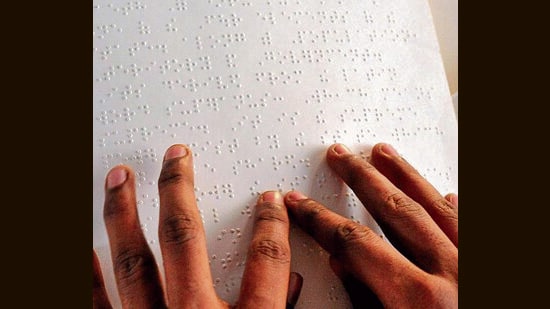
Under the Rights of Persons with Disabilities Act, 2016, educational institutions are required to make infrastructure, study material and teaching methods accessible.
However, the activist claimed that most colleges have failed to provide essential resources such as Braille books, audio material and screen reader-compatible content. An RTI filed with Panjab University revealed that while some facilities exist on the main campus, there is no mechanism to ensure that affiliated colleges follow these norms.
Officials reportedly directed queries to individual colleges, while the Directorate of Public Instruction (Higher Education) stated that no such requirements had been formally reported.
Students, he said, are left to manage on their own.
Many do not receive study material in accessible formats such as PDFs or audio files, making it difficult to keep up with coursework.
College libraries also lack dedicated desks, assistive devices and software such as Non-Visual Desktop Access.
The issue of arranging scribes during examinations remains another major concern.
Students often struggle to find eligible scribes, especially during exam season, forcing many to arrange them from outside states at high costs. Most colleges do not provide financial support, unlike the university campus where a nominal fee is paid.
The activist also flagged challenges during recruitment exams, stating that requiring candidates to appear in
person with scribes for verification adds to their difficulties.
Responding to the concerns, Harsuhinder Brar, director of higher education, Punjab, said, “There is a provision of providing audio lessons to visually impaired students, but I will look into the matter whether the colleges are providing the same or not.”


