
 E-Paper



Ludhiana: Billing errors, glitches in smart meters leave consumers fuming
Smart meters were introduced to modernise billing and improve transparency but their high sensitivity and recurring faults have created new challenges for both consumers and the department


Amid PSPCL’s push for mandatory installation of smart meters, residents across Ludhiana have raised concerns over recurring technical glitches, alleging that frequent faults are leading to inflated bills and inaccurate readings. They said meters often display erratic data, record inconsistent power usage and result in repeated billing discrepancies.
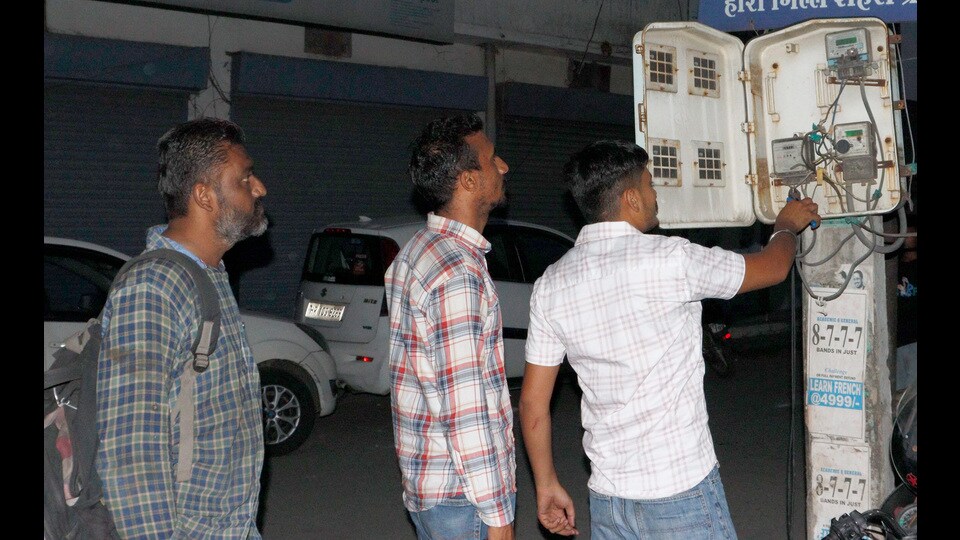
Krishan Pal, a resident of Meherban, said, “I got installed a smart meter at my home in July. For the first two months, the billing was accurate which was 220 and 80 units, respectively. However, in October, I did not receive my bill and the meter started showing jumping units. When the meter reader checked it, he disconnected the power supply for inspection, but the units kept running even after disconnection which was four units in just 10 minutes. I have filed a complaint with the division office and am awaiting a replacement.”
Echoing similar concerns, Ritu Sharma from Dugri said, “A few weeks after installation, my smart meter stopped working during a power fluctuation. When PSPCL officials inspected it, they said the meter had been damaged internally and could not be repaired. I was told I will have to wait for a replacement after paying the damage cost, which is much higher than for conventional meters.”
Rashpal Singh, deputy general secretary of the PSEB Employees Federation (AITUC), said that while smart meters were introduced to modernise billing and improve transparency but their high sensitivity and recurring faults have created new challenges for both consumers and the department.
“Smart meters are far more sensitive than conventional meters and often malfunction due to voltage fluctuations and technical faults. Even minor disturbances in power supply can affect their readings. Unlike the old meters which could be replaced or repaired easily, smart meters are more costly and non repairable, causing inconvenience to consumers,” he said.
He further added that the new system has increased the financial burden on consumers. “A monthly rent for the smart meter is automatically added to every bill and consumers do not have the option to make a one-time payment to own the device outright. This effectively means they keep paying for it indefinitely,” Singh said.
A member of the Association of Junior Engineers, requesting anonymity, explained that smart meters operate using SIM cards that constantly transmit real time consumption data to a central cloud server. “This digital data is then used to automatically generate bills. However, the system is entirely dependent on mobile network connectivity. In areas with weak signals, such as rural belts and high rise buildings where meters boxes are kept in the basement floor, these meters often fail to transmit accurate readings. As a result, billing data either gets delayed or recorded inaccurately, leading to discrepancies that consumers later have to contest,” he said.
He added that the reliance on digital communication has also introduced new technical vulnerabilities. “Even a brief network outage can interrupt data transfer, causing mismatched readings between what consumers actually use and what appears on PSPCL’s records,” he said.
When contacted, chief engineer Jagdev Hans said, “Smart meters are being installed to ensure transparency and accuracy in billing while reducing manual errors and power losses. However, it is not only smart meters that face technical glitches even conventional meters encounter faults at times. But, I will look into the matter to resolve these grievances.”


