
 E-Paper



'Hing isn't stinky': Why Indians are defending their favourite pantry staple
The humble pantry staple, has sparked a social media debate after featuring on TasteAtlas' list of the world's stinkiest foods: asafoetida, by Dhanvie Sharma

 Prefer HTon Google


“Hing ko English mein kya kehte hain?” The humble spice, which had its major pop culture moment in Kangana Ranaut’s Queen in 2013, is back in the news. Hing aka asafoetida was recently named among the world’s stinkiest foods by travel guide TasteAtlas. But what the list calls pungent, Indian foodies and chefs call comfort and the smell of home, while experts hail it for its health benefits.
TasteAtlas divided its World’s Stinkiest Foods list in four distinct odour-intensity tiers: extreme, very high, medium-high, and moderately strong. Hing, described as a pungent resin spice, is placed in the medium-high level tier along with Limburger (soft-washed rind cheese), Rakfisl (fermented trout or char) and Cheonggukjang (fast-fermented soybean paste).
Spotting asafoetida in the list led Indian social media users to write, “Asafoetida is not stinky, lol. It gives a garlic-like pungent smell to foods that don’t have garlic.” A user wrote, “Asafoetida, stinky?”, while another commented: “Another commented, “Asafoetida isn’t stinky. It’s simply strong in flavour and not for the faint-hearted.”
Why does hing smell?
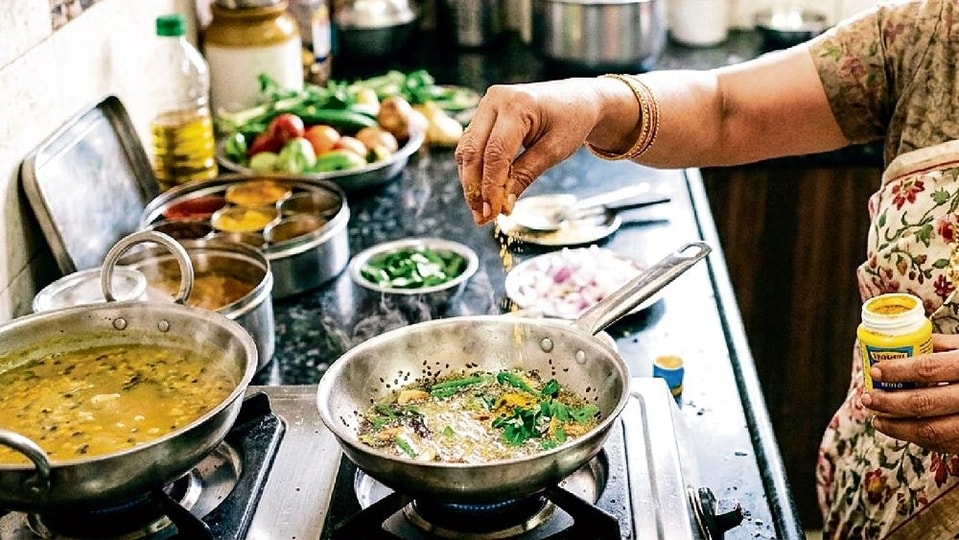
In its raw form, hing has a strong sulfur smell. But the moment a pinch of hing hits hot oil or ghee, it spreads a sensory indication of a bowl of warm dal, vegetable, or curry in the making. Its volatile sulphur compounds mellow to create a warm and savoury flavour with onion and garlic-like notes, adding depth and complexity to foods. Chef Guntas Sethi says, “Many ingredients transform completely when cooked, and hing is one of the best examples.”
Health benefits
Highlighting its health benefits, Chef Harsh Kedia says: “As someone who has lived with diabetes for over 15 years, I’m always looking at ingredients beyond just taste. Hing (asafoetida) is one of those humble pantry staples that does far more than people realise. Traditionally, hing has been used to support digestion by reducing bloating and gas, especially in lentil- and bean-based meals to help stimulate digestive enzymes, making heavier foods easier to digest.”
Not just for Indian foods
Asafoetida can also add an interesting flavour to international foods, suggests Chef Guntas Sethi. “It works beautifully in any dish that benefits from a subtle savoury depth. A tiny pinch can elevate pasta sauces, bean soups, roasted vegetables, mushroom dishes, or even vegan recipes by adding an onion and garlic-like complexity. The key is using it sparingly, so it enhances the dish without becoming the dominant flavour.”
Chef Harsh Kedia further tells us, “Hing adds incredible depth of umami and savouriness without relying on onion or garlic. A bowl of dal with hing feels completely different from one without it. Hing is the invisible backbone of countless regional recipes. It ties flavours together, balances richness, and gives dals, curries, kadhi, and vegetable dishes their unmistakable aroma.”
Other things to know:
- Hing is a pungent spice made from the dried sap of Ferula plant roots
- The name asafoetida comes from the Persian word asa (meaning resin or azā) and the Latin word foetidus (meaning stinking or foul-smelling)
- India reportedly consumes roughly 40% of the world’s total hing (asafoetida) production
- Raw resin is primarily available in Afghanistan, Iran, and Uzbekistan
How to use hing for health?
For gas and bloating: Dissolve a small pinch of roasted hing and rock salt in lukewarm water to relieve abdominal pain or trapped gas.
For indigestion: Always Aadd a pinch of hing in hot ghee or oil before adding spices. This helps digest gas-inducing foods like lentils (dals), beans, cabbage, and potatoes by burning off toxins.
For joint pain and swelling: A warm paste of hing and water applied externally over joints helps alleviate local pain and stiffness.
For relieving nasal congestion: Inhaling the sharp, pungent vapours helps thin mucus, clear blocked nasal passages, and ease breathing during seasonal allergies.


