
 E-Paper



‘Majority of liver failure patients in PGIMER due to hepatitis A’: Doctors
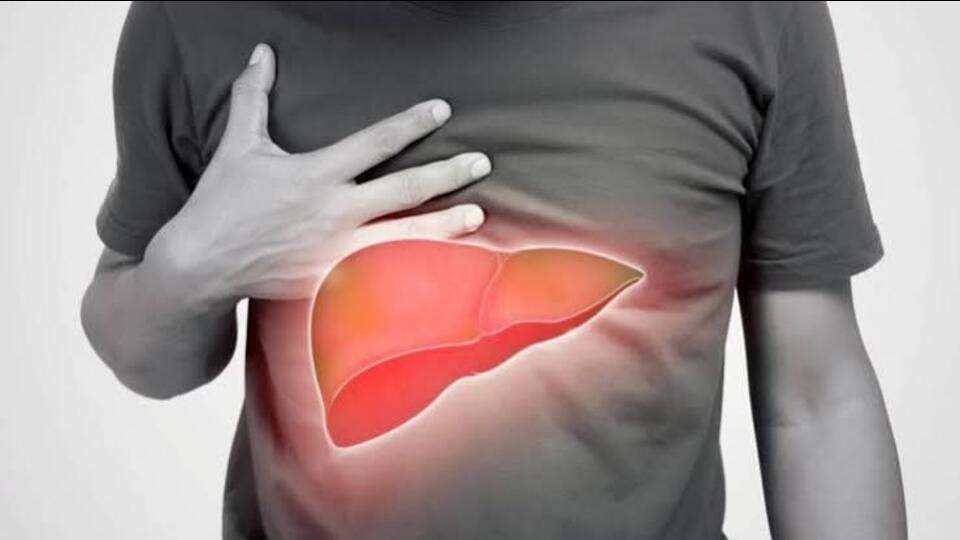
Hepatitis refers to an inflammation of the liver that is a vital organ, performing many essential functions, including filtering toxins, producing proteins, and aiding digestion

 Prefer HTon Google


In the last three to four years, a worrying trend has been seen in the Post Graduate Institute of Medical Education and Research with regard to liver failure patients. Most acute liver failure patients admitted in the Liver ICU in the last few years have been due to hepatitis A, which is a cause of concern, said Dr Madhumita Premkumar, additional professor in the hepatology department.
“A new observation over the last few years is the increase in numbers and severity of hepatitis A virus infection, added Dr Madhumita. The details were shared on the eve of World Hepatitis Day, observed on July 28, to raise awareness about viral hepatitis, a group of diseases that can severely damage the liver. Yearly, PGIMER receives 800 to 1000 patients with chronic viral hepatitis (HBV and HCV) at its outpatient liver clinic.
Hepatitis refers to an inflammation of the liver that is a vital organ, performing many essential functions, including filtering toxins, producing proteins, and aiding digestion. When the liver is damaged by hepatitis, these functions are compromised, affecting overall health and well-being of a person. Viral hepatitis is caused by viruses predominantly hepatitis A, B, C, and E. Hepatitis A and E are spread through contaminated food and water (feco-oral route). Infection with these viruses causes acute onset jaundice which is usually self-limiting but can sometimes progress to acute liver failure which is potentially life threatening.
Hepatitis B and hepatitis C viruses are spread through infected blood or body fluid exposure including unsafe sexual and injection practices. They usually cause chronic (long-term) infections. Hepatitis B and C are silent killers that surreptitiously damage the liver over many years, leading to serious conditions like cirrhosis (scarring of the liver), end-stage liver disease and even liver cancer.
“Hepatitis A has also been presenting particularly with prolonged jaundice and itching which may require steroids and even plasma exchange (a form of blood filtration) ,” said Dr Nipun Verma, additional professor in hepatology department. To raise awareness for this year’s hepatitis day theme, “Hepatitis: Let’s break it down”, the hepatology department held a viral hepatitis screening at its liver clinic OPD on Monday and will hold it again on Friday. Patients coming to the liver clinic and their attendants can participate in viral hepatitis screening.
Head of the department, Dr Ajay Duseja said the department is going to hold an awareness program on Tuesday at its lecture complex from 4 pm to 5 pm, covering two lectures on hepatitis A, E and hepatitis B, C, followed by open discussion and questions and answers with the audience. Dr Duseja emphasised on testing saying, “Testing is the only way to know if you are infected since chronic hepatitis often has no early symptoms in the initial stages. Early diagnosis is key as it allows for timely treatment, which can prevent severe liver damage and save lives.”


