
 E-Paper



Punjab: Medical officers to be trained in psychiatry to run OOAT clinics
There are only 45 physiatrists for the state government’s 542 outpatient opioid assisted treatment clinics; the government’s move to train medical officers is aimed at tackling the shortage of psychiatrists

 Prefer HTon Google


Amid shortage of psychiatrists, the Punjab health department has decided to train medical officers (MOs) to do their job so as to effectively run the outpatient opioid assisted treatment (OOAT) clinics. Psychiatrists perform a host of jobs, like monitoring and adjusting opioid dosages, approving new patient registrations and authorising home dosages.
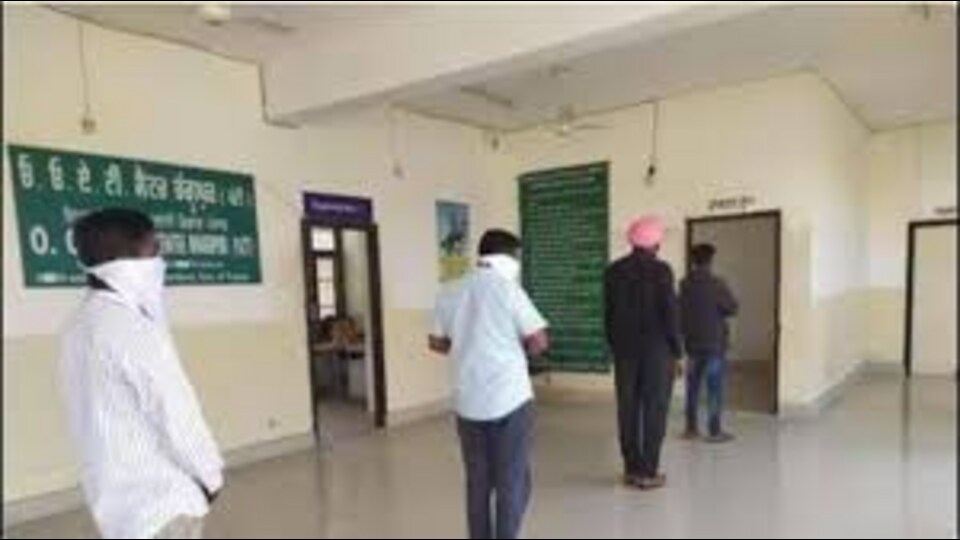
To overcome the shortage of psychiatrists at OOAT centres, MOs would be imparted training by psychiatrists who have already attended a workshop at the National Drug Dependence Treatment Centre (NDDTC), AIIMS. The decision by the department is said to have been taken following complaints by drug addicts for failing to provide the required psychiatrists.
Currently, there are only 45 physiatrists across the state for 542 OOAT clinics. Some districts are sans psychiatrists. It is the psychiatrist who is responsible for increasing or decreasing the dosages of drug addicts, and oversees the OOAT clinics in a district. Additionally, every new drug addict is enrolled after approval from the psychiatrist. According to officials, several districts are functioning with just one psychiatrist, making it difficult to provide adequate counselling and rehabilitation services to the drug addicts hampering the functioning of the OOAT centres.
Confirming the development, a senior official, who is a part of the development, said, “A special module to train medical officers – who are in charge of OOAT clinics – has already been prepared. The psychiatrists will train these MOs. A training roster has already been prepared.”
The official further said that the state had an acute shortage of psychiatrists, therefore, there had been delays in approving any changes in home dosages of drug addicts, a task which could only be performed by a psychiatrist.
“After training, MOs will be empowered to make changes in home-away dosages of drug addicts alleviating a rush at OOAT clinics having high patient footfall. Now, drug addicts will not have to travel too far off places to get changes in their daily dosages,” he added.


