
 E-Paper



Roundabout | He chose his game, and played it well
Sports writer Pradeep Magazine’s memoir ‘Not Just Cricket’ speaks of the sport he cherishes and times spent in newspaper offices


The book opens in Kashmir where the author has gone to visit the valley that was home to him in his childhood along with his wife and daughter. He stands outside a crumbling three-story house in Karan Nagar area of Srinagar. Neglect and abandonment have turned the structure called home into an eerie place haunted by reminiscences.
The man returns there with his family perhaps to reminisce about his childhood in the ‘200 Magazine House’ where he had first formed impressions of the world safe in the care of his parents and a large joint family. Memories come gushing in of uncles, aunts, cousins and women busy in the kitchen even though there were helpers, both Hindu and Muslim. He remembers, however, that for a helper to enter the kitchen, he had to be Hindu.
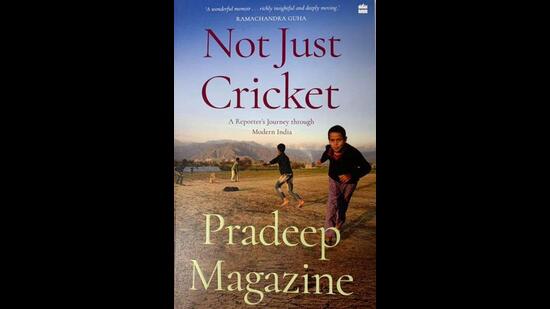
This is how I entered the world of the memoirs of a well-regarded colleague of the Indian Express days, Pradeep Magazine, counted today among one of the country’s finest sports writers never playing a foul in writing about the game of cricket that he so loves. It comes as a surprise to me that he even thought of sending his latest book ‘Not Just Cricket: A Reporter’s Journey through Modern India’. Now looking back, I could say that my life has not been too unsporting taking the rough and tumble that came my way but my knowledge of sports or the playground was always lacking. I confess that even a simple thing like catching a ball thrown at me is beyond me.
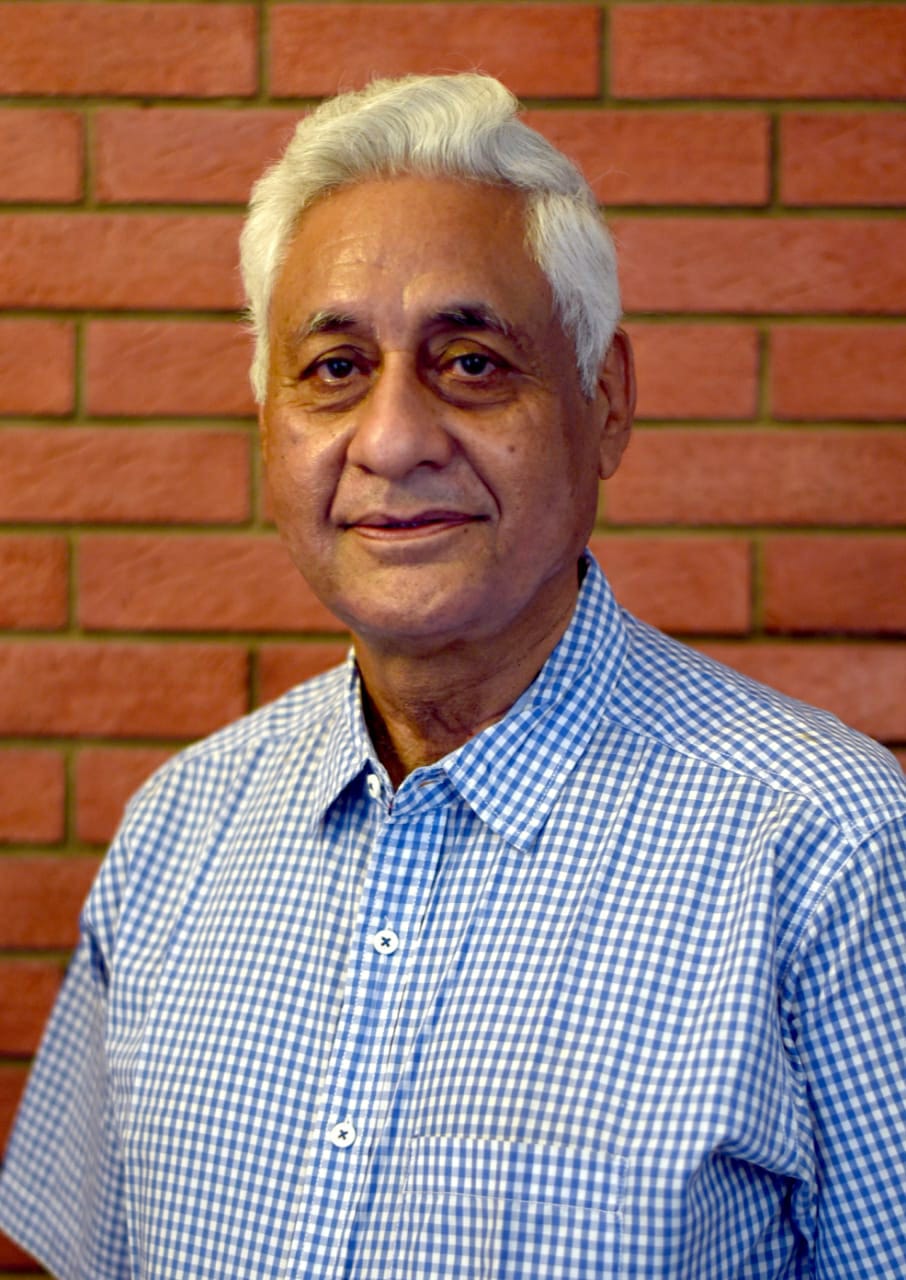
My first acquaintance with Magazine, a name I wondered at until I was told by his friend and my classmate and later colleague Shekhar Gupta, that his Kashmiri Pandit forefathers did not bring out a magazine to read but manufactured magazines of firearms, was in a bus hired for my brother’s marriage party to Amritsar. Gupta who was a guest said that his friend needed a lift till Amritsar and would keep us all entertained with songs as he sang well. Sure enough, the good-looking congenial Kashmiri sang his way through with us joining the chorus of popular Hindi songs including the patriotic number ‘Vande Matram’ with the naughty chorus of our childhood ‘Ande-chai graram’.
Journey with cricket
Away from the rambling net of memories and stories, onto the book, which I am pleasantly flattered to receive in spite of never making a good catch in life. The book took a few months to reach me because of my constant change of addresses and it has opened a floodgate of memories within and without newspaper offices as we knew them in our times. Published by Harper Collins and supported by the New India Foundation, Ramachandra Guha describes it as a memoir: ‘Lovers of sports and students of contemporary history will warm equally to this fine and deeply moving book!” So it is, more so for the likes of us who shared those when money and success was not the ultimate goal and means mattered more than the end.
Soon after the journey in the wedding party bus, Magazine was to join the Indian Express on the Sports desk which grew into a somewhat colourful department with talented yet tipsy mavericks like Krishan Kashyap, Kamal Dhaliwal and Balbir Singh. The Express had spread its wings and a whole lot of aspiring journalists fresh out of the journalism school, including us girls, were taken in those days.
Magazine recalls getting a job on the Express sports desk on recommendation of his schoolmate Gupta then a city reporter. Pradeep had been in the Punjab Ranji Trophy team but a back injury ended his dream to become a cricketer. Put the passion for cricketers was as before. It was in the Industrial Area Phase 1 office of the Express where this Pataudi fan would watch live streaming of the cricket matches and he formed a bond with our then editor, Prabhash Joshi, who later changed the face of Hindi journalism by launching Jansatta.
Joshi was a diehard cricket lover fan and godfather to city’s own star Kapil Dev. One recalls with a smile celebration of Kapil’s birthdays in the editor’s office with ladies, samosas and tea. He even sent me to cover Kapil Dev’s engagement celebration as he wanted a colourful story from a feminine, romantic pen! He made an offer to Magazine to join the sports desk. Beginning the new innings, he recalls walking out of the editor’s room and entered a huge hall. “Before me were desks, chairs, rattling typewriters and agency tickers on which news, with blue ink was being printed. I am not sure what emotions I had felt in that moment but I remember recalling if I was good enough for the job,” he says.
Of course, he was to become one of the legends of sports writing in the right sportsman spirit ...travelling all over the world, privy to many back-room conversations, and exposing the match-fixing much before it came out in the open and authored the amazing. He was sports editor with The Pioneer, the India Today e-paper, Hindustan Times and for a year 1999-2000 with The Indian Express.
Magazine says his attempt in this book was: “To combine cricket and the socio-political life that existed around it when I was growing up and, later as a journalist.” He does so with rare commitment, honesty and understatement that have been his hallmark.
Value of inclusiveness
The book is dedicated to his parents and he proudly thanks his mother Raj Dulari who gave him his first lessons in kindness and father Kishen Lal who taught him the value of inclusiveness. It is pertinent to note that he never goes the line common to many Kashmiri Pandits, ‘in exile’. He is judicious to point the differences between the Pandit and Muslim communities of the valley he was born to: “A major difference between the communities was the level of literacy. Education was more ‘preserve’ of the Hindus, and as a result most of them would secure the white-collar jobs in administration, banks, schools and hospitals.
He rightly recalls with pride: “Be it the story of Parvez Rasool, the first Kashmiri Muslim cricketer selected to play for India in 2013, or the separatist politician Sajjad Lone’s path breaking decision to fight the 2009 Lok Sabha elections, I would visit the Valley to gather material on them”.
He dismisses his job uncertainties with a smile of sorts and there is an interesting account of how his childhood buddy Gupta, then editor-in-chief of Indian Express screamed at him and called him unprofessional in the matter of IS Bindra of the cricket board making accusations against Kapil Dev.
The author recalls that picking up his sundry belongings from the cabin he walked out into joblessness never to return. But soon he was to find a better job and so there is no bitterness in his look back ever and he moves on with the game he chose as his own. Such is the spirit of this cricket lover of our times who made the game his passion playing with a broad wooden stick used to beat the dirt off clothes and a wooden sphere for a ball in the lanes of Karan Nagar as a young boy.


